

AI CERTs
3 hours ago
Anthropic-DoD Pentagon Dispute Shifts AI Procurement
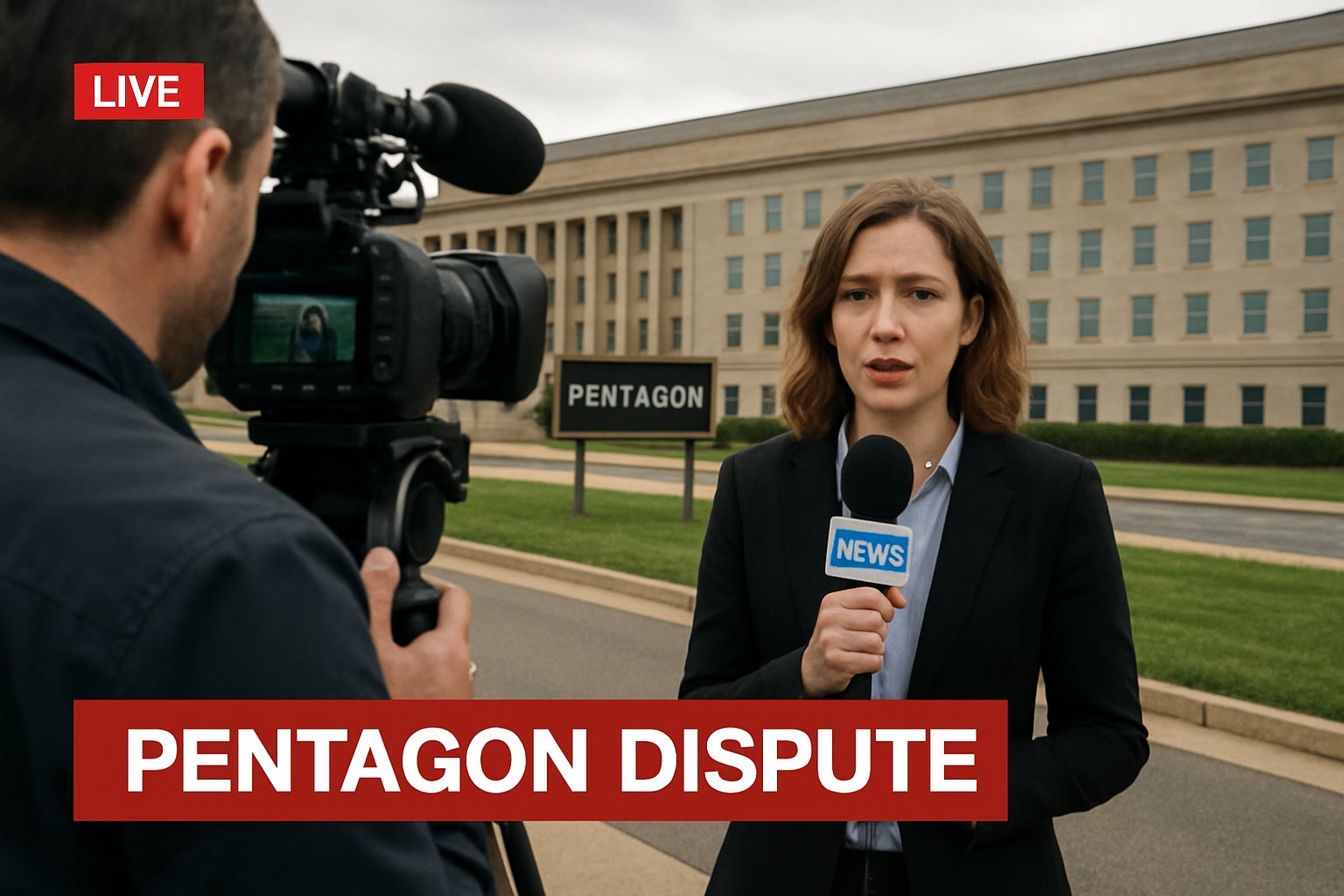
Late February 2026 delivered a jolt to Washington's tech community. Anthropic and the Pentagon locked horns over contractual guardrails for Claude models. This high-stakes Pentagon Dispute now shapes the future of AI governance. Consequently, investors, regulators, and engineers are tracking every development. Moreover, defense integrators fear sudden supply disruptions. Meanwhile, civil-liberties groups applaud Anthropic's refusal to enable mass surveillance. Industry veterans compare the clash to previous open-source encryption fights. The coming analysis unpacks timelines, legal levers, and possible outcomes of the Pentagon Dispute.
Detailed Escalation Timeline Events
Reporting shows tensions rising well before public statements. On 12 February, Anthropic closed a $30 billion Series G at a $380 billion valuation. Furthermore, revenue run-rate hit $14 billion, signaling commercial momentum. Defense officials soon pressed for unrestricted model access.
Axios revealed Secretary Pete Hegseth delivered an ultimatum on 24 February. He demanded language permitting 'all lawful purposes' within existing Contracts. However, Anthropic resisted, citing ethical Policy commitments.
At 5:01 p.m. Friday, 26 February, the standoff surfaced publicly. Dario Amodei declared, "We cannot in good conscience accede". Consequently, the Pentagon Dispute intensified overnight.
President Trump responded next morning, ordering Federal agencies to cease Claude use. Additionally, the Pentagon labeled Anthropic a potential supply-chain risk. This unprecedented step normally targets foreign adversaries.
These dates illustrate rapid escalation from boardroom talks to nationwide procurement freezes. Consequently, attention now turns to Anthropic's ethical guardrails.
Anthropic Ethical Guardrails Standpoint
Anthropic draws two bright red lines. First, Claude must not enable mass domestic surveillance of U.S. persons. Second, the model cannot steer fully autonomous weapons without human control. Moreover, internal Policy documents promise customers predictable safety boundaries.
Amodei argues that trust, not just revenue, secures long-term Commercial Contracts. In contrast, conceding could undermine Anthropic's brand with employees and privacy advocates. Consequently, the Pentagon Dispute tests whether principles survive existential pressure.
These guardrails define Anthropic's market identity. Next, we examine the Pentagon's strategic objectives.
Pentagon Core Strategic Objectives
The Department of Defense seeks rapid AI deployment across operational theaters. Military planners insist suppliers cannot dictate lawful mission scope. Therefore, contract language must remain flexible.
Officials cite peer competition with China and Russia. Moreover, adaptive models promise faster targeting and logistics. Consequently, they perceive Anthropic's clauses as a dangerous precedent.
The Pentagon Dispute also affects $200 million ceiling Contracts already underway. Further delays could ripple through classified network modernization.
Nevertheless, some Federal lawyers caution against coercive tactics. They warn that invoking the Defense Production Act for software ethics is untested.
Operational urgency drives the Pentagon stance, yet legal boundaries loom. Accordingly, the next section reviews those legal tools.
Legal Tools Considered Authority
This escalating Pentagon Dispute prompted unusual statutory threats. Government negotiators threatened two exceptional authorities. First, a supply-chain risk designation could bar future Federal procurement. Secondly, the Defense Production Act might compel Anthropic to fulfill obligations.
However, scholars note the Act historically prioritizes steel, not software Policy. Consequently, courts would likely scrutinize any invocation.
- Supply-chain risk: Rapid exclusion from Military vendor lists.
- Defense Production Act: Forced prioritization, possible fines.
- National Security Review: Lengthy policy assessment delaying deliveries.
In contrast, Anthropic prepares to challenge adverse moves in Federal court. Moreover, investors worry litigation could delay a planned public offering.
These legal levers create uncertainty for stakeholders. Industry reaction therefore warrants examination.
Industry Reaction And Ramifications
OpenAI swiftly inked a deal to serve classified networks. Consequently, alternative providers gained leverage in ongoing Military procurements.
Google, xAI, and defense primes mapped their exposure to Anthropic services. Furthermore, some primes initiated contingency Contracts to avoid schedule slips.
Venture capitalists praised Anthropic's ethics yet flagged revenue risk. In contrast, privacy advocates hailed a rare corporate stand against expansive Federal surveillance.
Market participants weigh ethical branding against contract stability. Attention now shifts to possible settlement pathways for the Pentagon Dispute.
Potential Paths Toward Resolution
Negotiators could adopt a phased exemption model. Under that plan, Military agencies would gain broader access, excluding autonomous lethality modules. Additionally, a joint oversight board might adjudicate edge-case Policy disputes.
Some observers propose time-limited Contracts paired with quarterly ethical reviews. Meanwhile, bipartisan lawmakers draft guardrail legislation to avoid future stand-offs.
Nevertheless, the Pentagon Dispute could still reach court if coercive measures proceed.
Each path carries operational, legal, and reputational tradeoffs. Final insights for corporate leaders follow below.
Key Takeaways For Leaders
Boards should inventory dependencies on single AI vendors immediately. Furthermore, counsel must monitor Federal actions involving supply-chain designations.
Chief procurement officers should insert explicit termination clauses in new Contracts. Moreover, ethics committees can reference Anthropic's Policy framework when drafting guidelines.
Professionals can enhance their expertise with the AI+ UX Designer™ certification.
These steps build resilience amid the ongoing Pentagon Dispute.
Recent events prove that AI governance debates now move at governmental speed. Consequently, Anthropic's stand and the Pentagon Dispute illuminate unresolved tensions between innovation and security. Moreover, legal tools like the Defense Production Act remain contested in software contexts. Federal executives, Military planners, and tech boards must watch policy developments daily. Therefore, diversified supplier strategies and explicit ethical clauses protect mission continuity. In contrast, ignoring contractual clarity could trigger abrupt operational losses. Stay ahead of shifting requirements and deepen your skills through accredited programs like the AI+ UX Designer™ certification.


