

AI CERTs
3 hours ago
ACP Infrastructure: Agentic Commerce Tests Expand
Instant Checkout inside ChatGPT made headlines in late 2025. However, the bigger story is the infrastructure behind it. Stripe and OpenAI co-built the Agentic Commerce Protocol, or ACP, to let AI agents pay merchants directly. Now that specification is moving from code files to real spend. Consequently, pilots across banks, card Network players, and retailers have started this year.
Industry observers call this emerging backend ACP Infrastructure. Moreover, analysts predict the shift could touch trillions in consumer volume by 2030. Finance leaders, Shopping platforms, and risk teams therefore watch each test closely. Automation promises new revenue, yet it also changes fraud dynamics. Meanwhile, interoperability battles already mirror past payments standards wars.
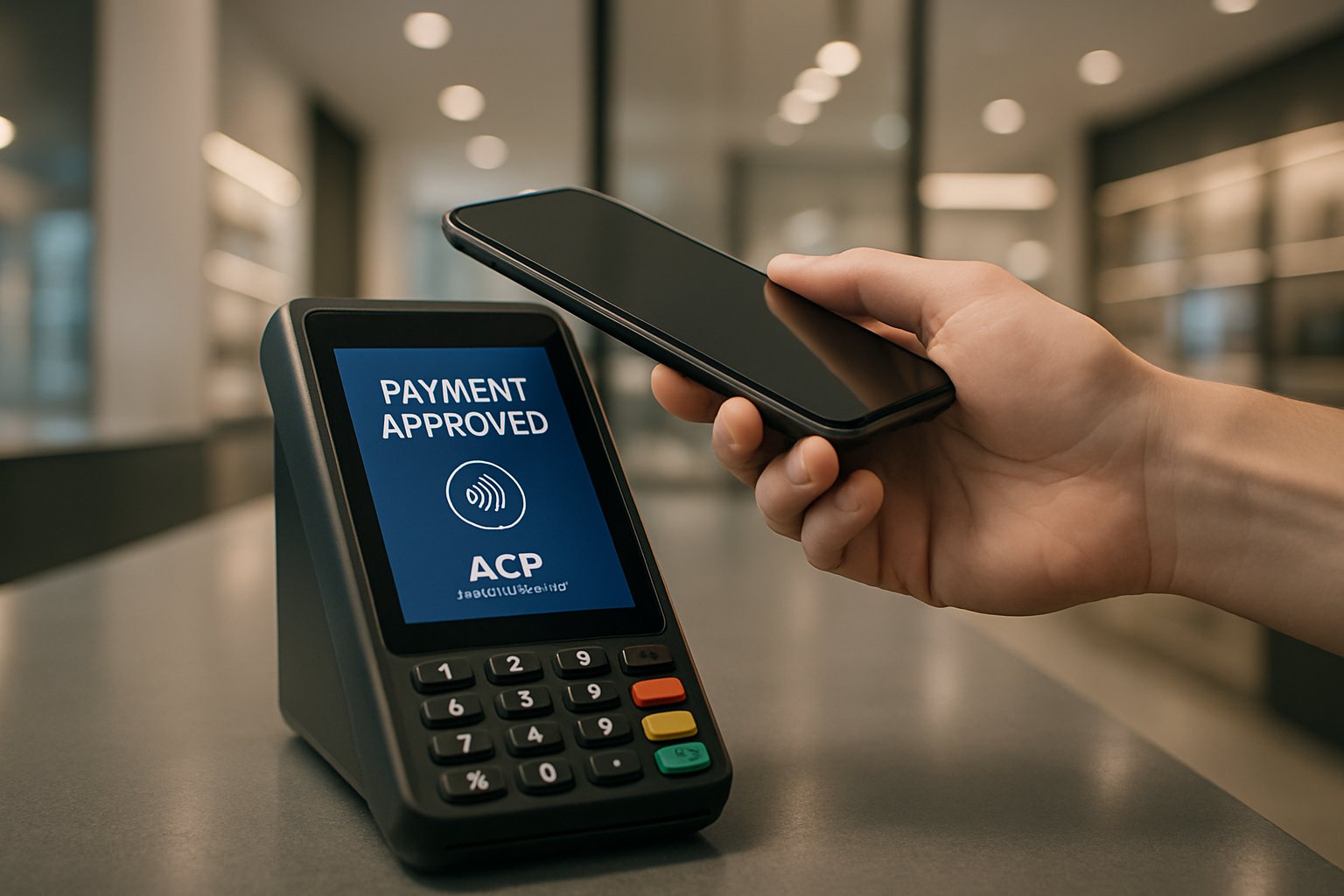
Agents Shift Online Checkout
Traditional ecommerce still relies on human clicks. In contrast, agentic commerce hands search, comparison, and payment tasks to software agents. Consequently, the consumer journey compresses from minutes to seconds.
ACP defines how those agents open carts, receive prices, and obtain a scoped payment token. Stripe labels that credential a Shared Payment Token, or SPT. Therefore, the buyer never exposes raw card details.
Early tests inside ChatGPT demonstrate a clear uplift in completed orders for craft marketplace Etsy. ACP Infrastructure enables that uplift without forcing Etsy to rebuild its stack.
Agents reduce checkout friction and keep merchants in control. However, deeper technical pilots are needed before global expansion begins. Those deeper pilots are underway now.
Inside ACP Pilot Phase
Stripe and OpenAI opened production pilots on September 29, 2025. Initially, the rollout covered U.S. users and selected Etsy sellers. Subsequently, Shopify integrations started onboarding.
Developers receive sandbox keys, unit tests, and compliance checklists through the public repository. Moreover, ACP Infrastructure metrics feed directly into Stripe’s Radar fraud models. Visa and Mastercard meanwhile map tokens to existing authorization rails.
Bank participation matters because regulated rails ensure dispute resolution and lending compliance. On March 2, 2026 Santander and Mastercard processed the first live agent-initiated payment on European rails. Consequently, the test phase moved beyond internal sandboxes.
Pilot scope now spans agents, merchants, and large payment players. Therefore, interoperability questions dominate the next debates. Competing standards add further pressure.
Competing Protocols Gain Ground
Google revealed the Universal Commerce Protocol at NRF 2026. Furthermore, Visa and Mastercard have drafted Agent Pay guidelines. These initiatives target similar tokenized flows but use different consent flows.
Industry veterans remember how multiple card on file standards fragmented early mobile wallets. In contrast, ACP Infrastructure advocates stress the need for an open, neutral baseline.
McKinsey warns fragmentation could delay the projected three trillion dollars in agentic gross merchandise value. Consequently, joint interoperability tests between ACP and UCP are scheduled for late 2026.
Standard wars loom yet collaboration remains possible. Next, risk analysts examine potential downsides. Let’s review those challenges.
Risks And Open Questions
Fraud teams fear that autonomous agents might scale synthetic identity attacks. However, SPT scoping and device fingerprinting offer new defenses.
Data control also surfaces. Merchants could lose direct customer relationships when discovery happens inside a closed chat interface. Consequently, regulators ask which party owns liability for mistaken agent purchases. ACP Infrastructure still lacks globally accepted dispute workflows.
Legal scholars at CSIS urge transparent audit trails and reversible consent tokens. Finance committees in the EU are already drafting guidance for agentic payments disclosures.
Network throughput becomes another concern once volume scales. Nevertheless, early Stripe load tests show the protocol handles thousands of requests per second.
Risks remain material yet manageable with careful governance. Therefore, quantitative metrics become essential. Those numbers are emerging.
Early Metrics And Forecasts
OpenAI reported 700 million weekly ChatGPT users, providing a vast demand funnel. Stripe claims merchants saw conversion times drop from three minutes to twenty seconds.
Analyst houses paint an even larger picture:
- McKinsey: $3-5 trillion global agentic commerce by 2030.
- Bain: $300-500 B U.S. volume within four years.
- Morgan Stanley: base case $190 B GMV by 2030.
Moreover, Santander’s pilot moved real euros, proving settlement finality. Consequently, ACP Infrastructure investors eye new revenue streams across Finance and Network fees. ACP Infrastructure performance data remains sparse but early latency numbers look promising.
Shopping cohorts on Etsy reported double-digit uplift in mobile conversion. Automation thus appears to boost both sides of the ledger.
Forecasts suggest agentic channels will become mainstream within four years. However, merchants need actionable strategies today. Several playbooks stand out.
Strategic Moves For Merchants
First, merchants should request sandbox credentials and validate catalog accuracy. Additionally, they must map return policies to agent readable metadata.
Second, fraud teams should simulate token replay attacks under ACP Infrastructure test mode. Subsequently, Finance leads must adjust reconciliation reports to capture agent identifiers.
Third, marketing divisions can embed promotional cues in rich agent responses. Shopping personalization rules still apply even when the agent drives the cart.
Professionals can deepen their technical competencies through the AI Engineer™ certification. Moreover, that credential covers secure token design and commerce Automation patterns.
Prepared merchants will capture early share as agent channels mature. Consequently, watching future milestones is crucial. Key dates already appear.
Next Steps To Watch
Industry calendars highlight three upcoming checkpoints.
- Q3 2026: joint ACP-UCP interoperability hackathon hosted by Visa.
- Q4 2026: PayPal launches agentic checkout within its consumer app.
- H1 2027: Global Network certification expected for SPT tokens.
Additionally, regulators will publish draft consumer protection rules before those events. Therefore, ACP Infrastructure stakeholders should engage in consultations early.
Developers can follow the open repository for schema changes and performance dashboards. Meanwhile, venture analysts monitor Automation start-ups that extend agent abilities.
Clear schedules help enterprises allocate resources and mitigate risk. Nevertheless, the field remains fluid.
Agentic commerce has left the whiteboard and entered real cash flows. Stripe, OpenAI, banks, and Network giants now stress-test interoperability, security, and economics. Overall, ACP Infrastructure underpins this shift while rival standards push innovation.
Moreover, early metrics suggest faster conversions, richer data, and new revenue for Finance teams. Risks around fraud, data rights, and legal liability still demand vigilant governance.
Consequently, professionals who upskill quickly will guide their firms through the transition. Explore the linked certification and keep tracking upcoming pilots. Action today secures advantage tomorrow.


