

AI CERTS
4 hours ago
Digital Twins Ignite Hollywood Labor Battles Over AI
Meanwhile, studios contend that clear contracts will balance innovation with fair compensation. The recent interactive strike, resolved in July 2025 after eleven tense months, exemplifies the shifting priorities. Moreover, proposed federal legislation promises to embed digital guardrails beyond private bargaining tables. This article unpacks the latest agreements, enforcement battles, and legislative moves shaping talent’s future. Readers will gain a concise overview of where the technology, law, and labor dynamics intersect today. Understanding these forces is essential as AI continues redefining creative work worldwide.
Strike Centers On Replicas
The 2025 interactive media strike pivoted squarely on how employers wanted to create and reuse voice replicas. Union negotiators insisted that any AI system using a performer’s likeness required explicit, advance consent. Consequently, bargaining stalled for months while studios debated operational feasibility. SAG-AFTRA leveraged picket lines, social media, and unfair-labor-practice filings to pressure companies including Epic Games.
In contrast, publishers argued that narrow digital use could reduce reshoots and accelerate patches without harming jobs. Yet leaked proposals suggested perpetual rights, inflaming fears among background actors. Therefore, the union framed the dispute as existential, not merely economic. Digital Twins surfaced repeatedly in speeches, symbolizing an industrial shift toward datafied talent. SAG-AFTRA President Fran Drescher warned that unregulated clones could erase human creativity.
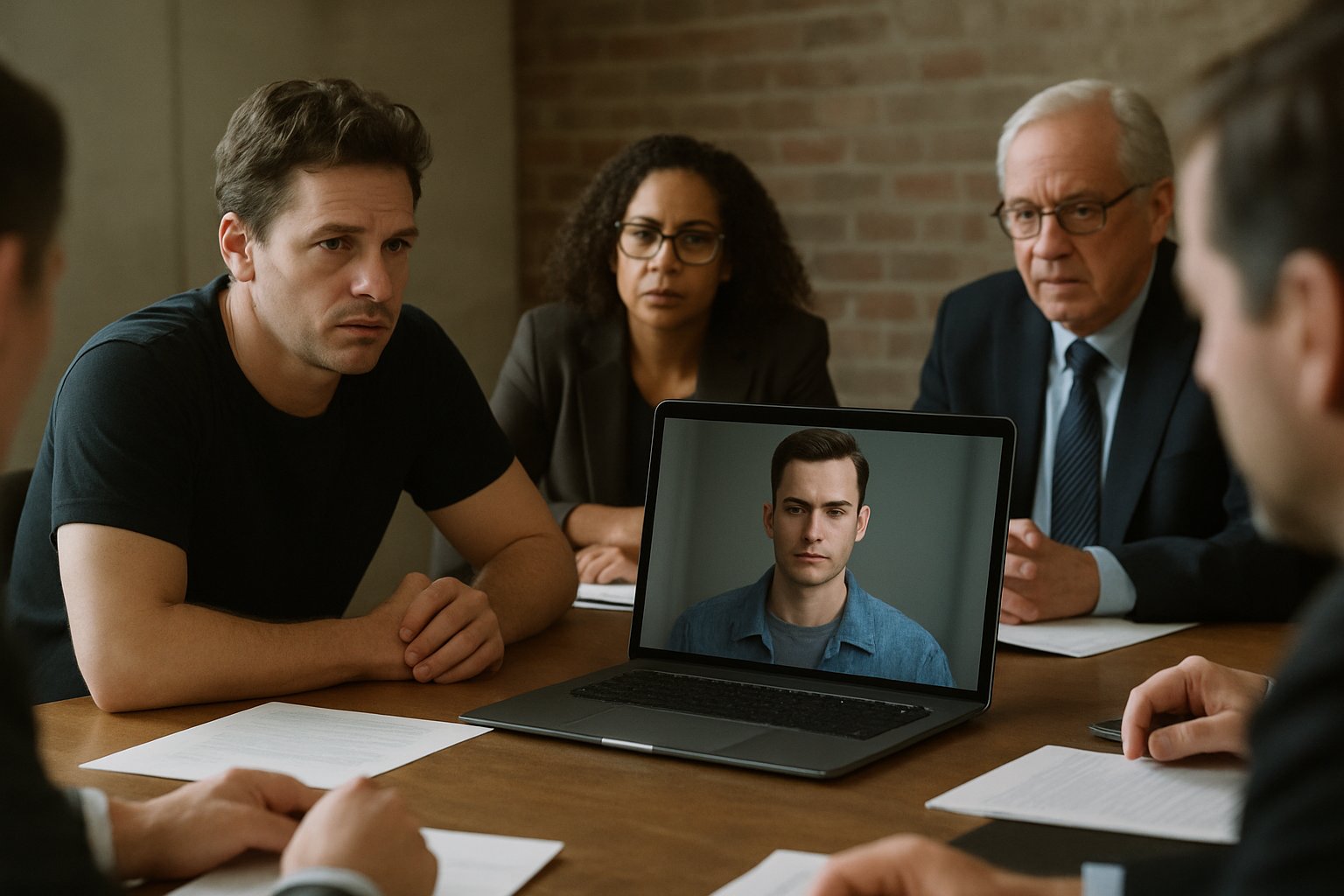
The strike revealed deep unease about AI ownership of performance rights. However, the eventual deal proved consensus was possible. Next, we examine how that consensus became written rules.
Consent Rules Gain Teeth
The Interactive Media Agreement ratified in July 2025 codified robust consent and disclosure provisions. Moreover, studios must list every intended use before scanning a performer. Any later use outside that scope requires new bargaining or written approval. Consequently, companies lost the ability to bank scans for speculative projects. Actors also secured session-equivalent pay when replicas replace live work.
Additionally, performers can suspend consent during any strike, giving SAG-AFTRA extra leverage. This clause became a rallying cry on picket lines. Meanwhile, employers highlighted guaranteed review periods that limit delays. Digital Twins are now contractually tethered to transparent workflows and verifiable payments.
The agreement converts abstract ethics into enforceable bullet points. Nevertheless, implementation depends on careful record-keeping. That need for oversight places performance rights under a brighter spotlight.
Performance Rights Under Scrutiny
Rights advocates argue that AI amplifies historic royalty disputes. In contrast, the new deal provides a 15.17% immediate wage bump plus annual 3% increases through 2027. However, residual formulas for Digital Twins remain untested at scale. Accounting systems must track every reuse instance, including trailer edits and downloadable content. Therefore, both unions and developers are building automated ledgers. The union will receive quarterly usage reports, a first for interactive media. Subsequently, auditors may pursue penalties if data appears incomplete. Studios believe blockchain watermarks could simplify compliance under future agreements.
- 95.04% ratification vote for the Interactive Media Agreement.
- 160,000 SAG-AFTRA members covered across media sectors.
- 15.17% compounded wage increase on contract approval.
- 118 days: length of 2023 TV/Theatrical strike.
Consequently, performance rights debates are migrating from bargaining rooms to engineering teams. Rights tracking now underpins future royalty math. However, legal reform could redefine these calculations. Attention is therefore shifting to federal lawmakers.
Digital Twins Drive Legislation
Bipartisan sponsors reintroduced the NO FAKES Act in 2025 to curb non-consensual digital clones. Moreover, SAG-AFTRA endorsed the bill alongside music labels and tech giants. The draft grants individuals exclusive performance rights over their likeness for 70 years. However, fair-use exceptions for satire and news remain controversial. Digital Twins appear explicitly in the text, a sign of growing policy awareness. Consequently, YouTube has piloted opt-out tools aligned with the proposal. Studios hope harmonized rules will reduce contractual patchwork. Nevertheless, civil liberties groups warn about potential speech chilling. Legislators plan hearings later this summer to refine language before markup.
Statutory clarity could extend recent agreements nationwide. Yet, loophole debates may delay passage. Industry contracts therefore remain the primary defense.
Contracts Shape Future Work
New contracts now cover animation, commercials, and sound recording, replicating the interactive framework. Additionally, each code contains parallel Digital Twins language to maintain consistency. Employers must disclose whether synthetic performers derive from any identifiable artist. Meanwhile, independent studios face paperwork they never budgeted. Consultants predict onboarding costs per project could rise five percent.
Nevertheless, clearer rules may unlock new licensing revenue for archived performances. Performance rights audits will become a regular production milestone. Consequently, spreadsheet compliance is evolving into API-driven reporting. Studios testing blockchain attestations claim they can flag unauthorized Digital Twins within minutes.
Enhanced contracts accelerate innovation yet mandate rigorous oversight. However, success hinges on real enforcement, not promises. We turn now to enforcement realities.
Enforcement And Next Steps
Early enforcement already reached the National Labor Relations Board. Subsequently, SAG-AFTRA filed a complaint against Llama Productions for alleged unauthorized voice replicas. The case will test whether current contracts cover emergent uses like live event dubbing. Meanwhile, union lawyers expect more challenges as studios deploy updated pipelines. Digital Twins monitoring tools, including watermark detectors, will likely decide future disputes. Consequently, technical audits will join creative approvals during post-production. Professionals can enhance their expertise with the AI Design™ certification. Moreover, the course covers auditing frameworks essential for compliance teams.
Real accountability will define how workers trust AI tools. Therefore, observers will watch the Epic case closely. Finally, we reflect on the broader outlook.
Hollywood’s recent labor clashes illustrate how technology forces constant contract evolution. Moreover, Digital Twins now sit at the center of every negotiation table. The union secured meaningful guardrails, yet practical enforcement remains work in progress. Consequently, producers must refine pipelines, audits, and payment systems. Legislators also race to translate contract language into federal rights. Nevertheless, uncertainty persists around fair-use loopholes and evolving creative tools. Professionals who understand both law and code will lead the next production wave. Explore the linked certification to deepen skills and stay competitive in an AI-driven entertainment landscape.


