

AI CERTs
6 hours ago
Galgotias Incident: Robodog Row Redefines Summit Transparency
Meanwhile, a single television clip upended an exhibition hall and ignited a national discussion. However, the Galgotias Incident quickly moved beyond casual chatter, landing on prime-time debates across India. Within minutes, social media detectives matched the showcased robodog “Orion” with the Chinese Unitree Go2 model. Consequently, accusations of Misrepresentation overshadowed the university’s ambitious ₹350-crore AI programme. In contrast, Galgotias University insisted the platform served only educational Robotics projects. Moreover, organisers of the India AI Impact Summit soon intervened, ordering the stall closed. Industry leaders watched the Controversy escalate in real time, noting potential damage to summit credibility. Therefore, the episode became a textbook case of transparency failures at high-profile technology events. Professionals now scour the timeline for lessons, reputational insights, and governance remedies. The following analysis dissects every twist, highlighting verified facts, stakeholder responses, and future safeguards.
Viral Clip Goes Wrong
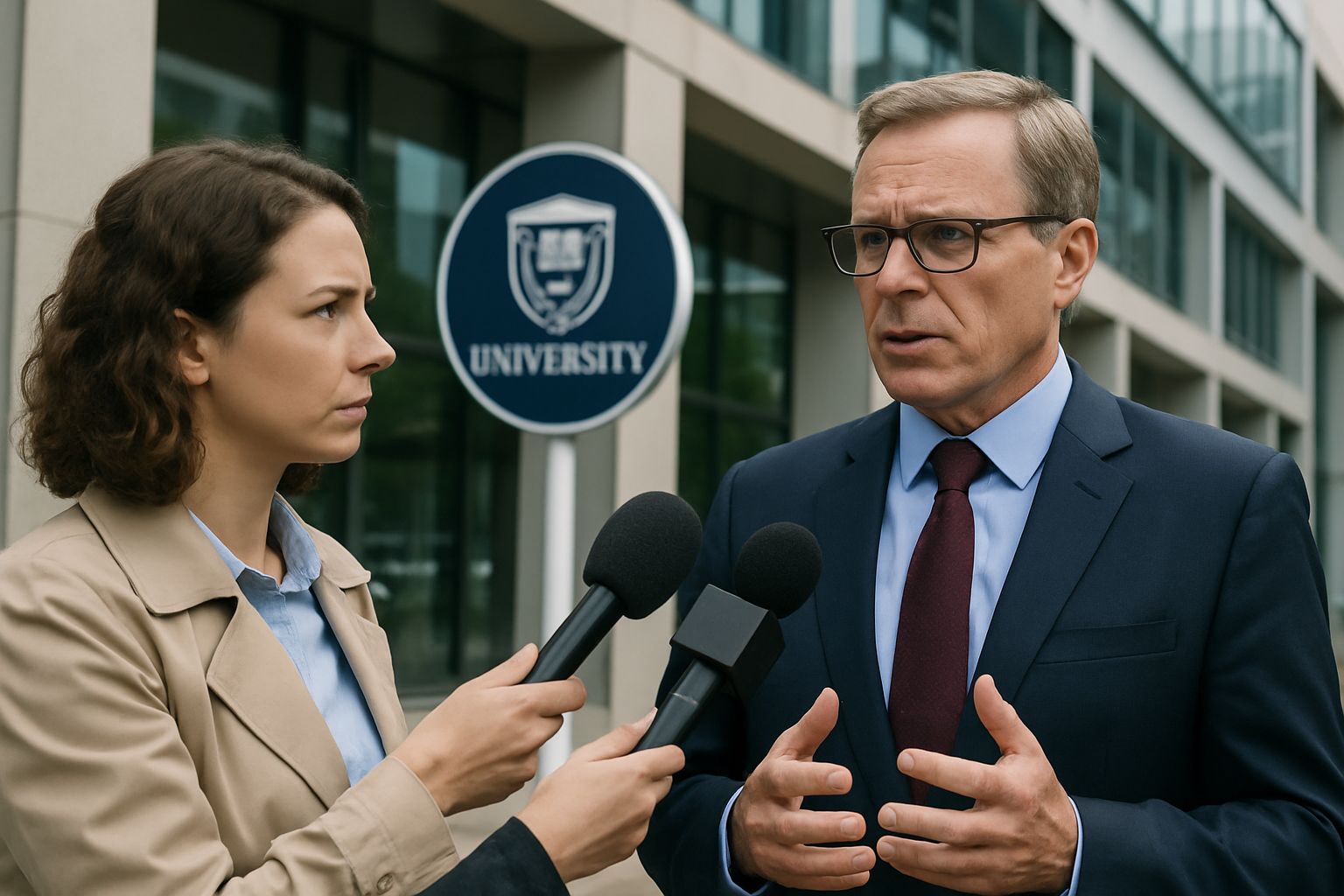
First, the DD News broadcast on 17 February 2026 triggered the Galgotias Incident firestorm. Viewers saw Professor Neha Singh proudly present “Orion” as in-house innovation. Subsequently, the claim travelled across India through reposts by influential politicians, including a since-deleted ministerial tweet. Fact-checkers paused, zoomed, and compared every frame. Consequently, they noticed identical limb design and camera placement matching Unitree’s promotional footage. Many experts in Robotics confirmed the match within hours. Nevertheless, the university stall continued welcoming delegates during early summit hours. Meanwhile, online anger gained velocity, using #RobodogRush as a rallying tag. The rapid amplification demonstrates how discovery timing influences event optics. These early moments set a narrative that later clarifications struggled to reverse. Hence, institutions citing innovation during the Galgotias Incident learned messaging discipline appears crucial on national stages.
These observations underline how swiftly narratives solidify. Next, attention shifted to methodical fact-checking efforts.
Fact-Checkers Spot Perfect Match
Across open forums, seasoned developers dissected technical clues. Additionally, product manuals surfaced that mirrored Orion’s battery hatch geometry. Open-source sleuths produced a concise evidence list:
- Side-mounted lidar sensor identical to Unitree Go2 specification.
- Firmware boot screen showing “Go2_V2.1” during backstage recharge.
- Retail sticker price tags lingering under freshly applied black tape.
Consequently, each datapoint narrowed doubt windows. In contrast, the university’s initial silence allowed speculation to flourish. Misrepresentation accusations multiplied as mainstream outlets quoted independent Robotics professors. Moreover, an X community note labeled the Galgotias Incident clarification “misleading” and attached comparison stills. These converging verifications converted online chatter into a formal Controversy. Therefore, summit organisers faced a reputational risk larger than a single exhibit. The next moves would define stakeholder trust for future India technology showcases.
The compiled proof dismantled the university’s narrative. Political ramifications surfaced almost immediately afterward.
Political Fallout Quickly Escalates
While engineers debated hardware, parliamentarians sensed opportunity. Subsequently, opposition leader Rahul Gandhi called the summit “a glossy shop window for imported toys.” Media panels repeated the quote, linking it directly to the Galgotias Incident. Consequently, the hashtag #MakeInIndia trended alongside fresh memes of dancing robodogs. Government spokespeople countered, yet internal documents show organisers ordered power to the stall cut by 10:30 a.m. Feb 18. Meanwhile, security staff guided reporters away from darkened screens to limit further Controversy images. Additionally, legal analysts argued any proven Misrepresentation could breach summit exhibitor guidelines. In contrast, Galgotias University highlighted past collaborations with national agencies to defend credibility. Nevertheless, the Galgotias Incident now symbolised broader anxieties about foreign dependence within India’s Robotics ambitions. These political ripples widened stakeholder divides. However, administrative decisions soon shifted focus toward procedural reforms.
These exchanges transformed a technical dispute into a headline political brawl. Governance questions then dominated the discussion.
University Publicly Clarifies Position
Under intensifying spotlight, Galgotias University released a midnight X statement. Furthermore, the post insisted, “Galgotias has not built this robodog, neither have we claimed.” Observers quickly contrasted that line with the broadcast quote. Therefore, doubts about intentional Misrepresentation deepened. In response, the administration framed the purchase as standard pedagogy for Robotics coursework. Moreover, officials stressed that software experiments planned on the platform justify the investment. Professionals can enhance their expertise with the AI Executive Essentials™ certification, which emphasises transparent innovation reporting. Nevertheless, critics argued the university apology missed the sentiment driving the Galgotias Incident backlash. Consequently, alumni petitioned for an independent review panel. These mixed reactions illustrate how apology timing and tone affect institutional recovery efforts. Next, summit organisers explained their governance rationale.
Summit Governance Hard Lessons
Event managers walked a delicate line between showcasing innovation and preventing future Galgotias Incident repeats. Therefore, they circulated draft guidelines emphasising provenance documentation for all hardware. Additionally, exhibitors must now display origin labels visible from three metres. Organisers also proposed staged tech inspections mirroring aviation pre-flight checks. In contrast, some startups fear extra bureaucracy could stifle rapid tech demonstrations. Nevertheless, summit directors argue that transparent procedures will shield the brand from renewed Controversy. Meanwhile, analysts suggest leveraging independent audit teams drawn from leading India engineering institutes. Such collaboration may reinforce credibility while nurturing national talent. Consequently, the Galgotias Incident has become a case study cited during policy workshops. These measures illustrate proactive risk management approaches. Yet, long-term success depends on consistent enforcement across future editions.
These proposed rules mark a proactive shift. Future guardrails will test institutional commitment.
Future Transparency Guardrail Measures
Industry associations are drafting voluntary disclosure charters. Furthermore, universities plan to train spokespeople in precise language that avoids exaggeration. For example, faculty demo scripts will include product procurement details before highlighting novel algorithms. Moreover, several India based accelerators propose QR codes linking to component invoices. Consequently, informed delegates can verify claims in seconds. In contrast, some observers worry that excessive paperwork will distract researchers from core Robotics breakthroughs. Nevertheless, clear checkpoints appear essential after the recent uproar. A structured playbook may even boost investor confidence by signalling rigorous governance. Subsequently, government officials hinted at integrating certification badges into exhibitor signage. Those badges would indicate compliance with new authenticity standards. These future guardrails promise smoother events. However, final adoption timelines remain under negotiation with multiple stakeholders.
Collective action will determine whether transparency charters evolve beyond paper promises. The concluding section distills key lessons.
Conclusion And Next Steps
Ultimately, the Galgotias Incident underscores how minor phrasing can reshape national narratives. Moreover, events eager for global attention must elevate transparency as standard practice. Deception accusations travel faster than official press notes, especially within India’s vibrant online ecosystem. Consequently, clear provenance protocols and trained spokespeople become strategic assets, not administrative burdens. Robotics innovators benefit when audiences trust claimed achievements. Furthermore, early verification guards organisers against cascading Controversy. Professionals seeking deeper governance skills should explore the linked certification above for structured risk frameworks. In closing, institutions that embrace rigorous honesty will turn crisis lessons into competitive advantage.


