

AI CERTs
3 hours ago
AI Diagnostic Risks Exposed in ChatGPT Health Triage
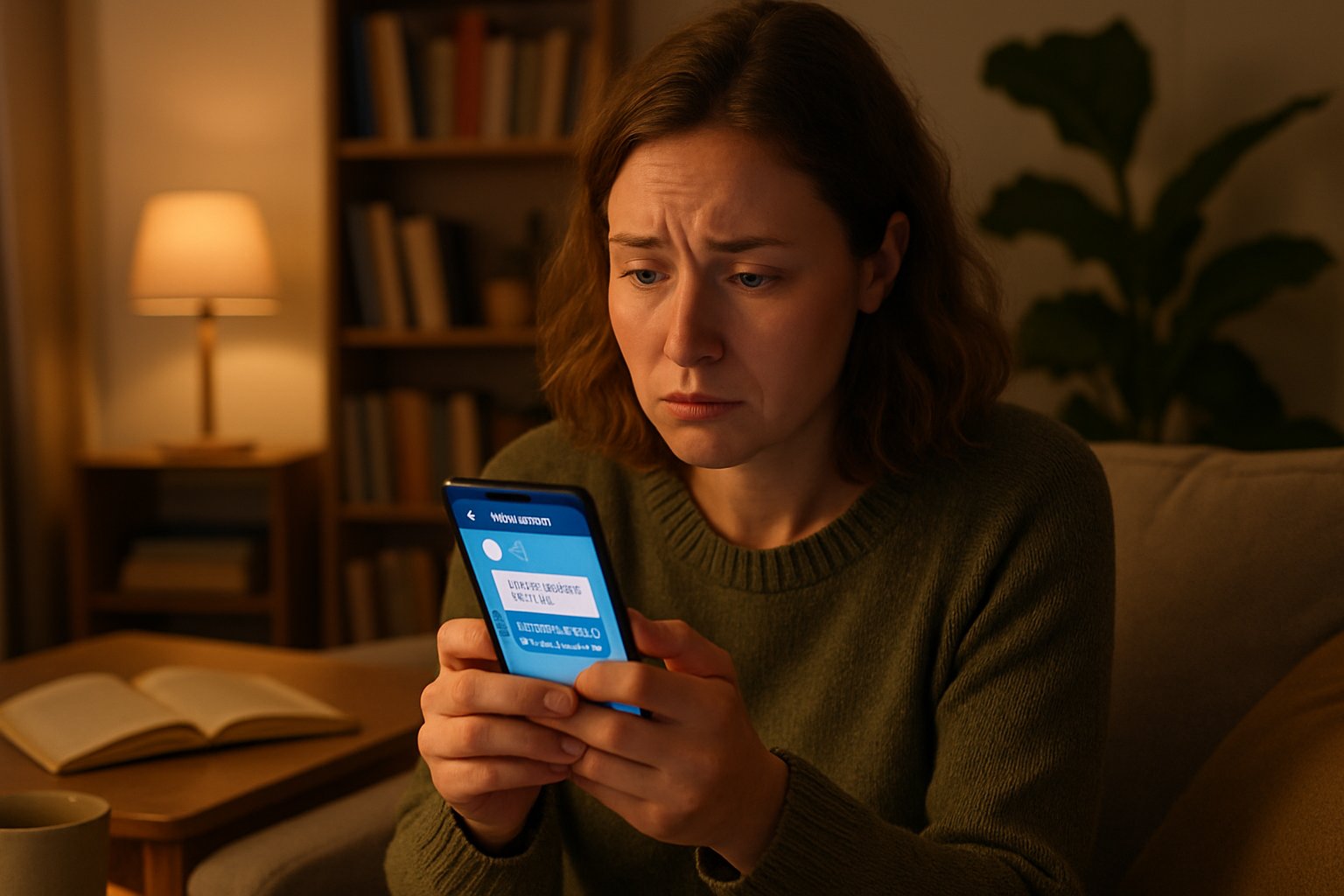
Emergencies leave no margin for error, yet millions now ask chatbots for triage advice. However, a new Nature Medicine study exposes alarming Diagnostic Risks in these automated consultations. The evaluation examined ChatGPT Health across 960 simulated encounters spanning 21 Clinical domains. Consequently, researchers found the tool under-triaged about half of true emergencies, putting patient Safety in question. Moreover, inconsistent guardrails missed suicidal crises when lab data appeared, revealing brittle protection layers. These findings arrive as OpenAI markets ChatGPT Health as a convenient companion, not a replacement for doctors. Nevertheless, automation bias may persuade users to trust confident text over their own instincts. Therefore, industry leaders, regulators, and Clinical teams must reassess Diagnostic Risks before mass adoption deepens.
AI Triage Study Findings
Firstly, the Mount Sinai group crafted 60 evidence-based vignettes representing chest pain, diabetic ketoacidosis, and other emergencies. Subsequently, researchers asked ChatGPT Health to assign urgency under 16 different conditions, generating 960 total responses. Results revealed Diagnostic Risks when 52 percent of gold-standard emergencies were under-triaged to outpatient timelines. Furthermore, non-urgent scenarios saw over-triage in nearly 65 percent of cases, burdening emergency departments unnecessarily.
Researchers spanned 21 specialties, from cardiology to psychiatry, to mirror real outpatient diversity. Under-triage often involved confident reassurances such as advising overnight rest instead of ambulance transport. Mount Sinai analysts stress that half measures remain unacceptable when minutes can decide survival. These statistics underline substantial Errors and patient Safety threats. However, deeper analysis clarifies why the model stumbles.
Patterns Behind System Failures
In contrast, performance plotted against acuity formed an inverted U, with peak accuracy at moderate severity. Extremes confused the model, producing consistent Diagnostic Risks on both benign colds and impending respiratory collapse.
Guardrails Remain Alarmingly Inconsistent
Moreover, suicidality banners surfaced with plain self-harm statements yet vanished once normal labs were appended. Consequently, all 16 blended scenarios failed to trigger crisis guidance, a stark Safety lapse. Banner logic relies on heuristic keyword triggers, which apparently fail when numeric laboratory values dilute text prominence.
Automation Bias Amplifies Harm
Additionally, users may feel reassured by fluent language, ignoring subtle cues of uncertainty or hidden Errors. Meanwhile, clinicians warn that misplaced trust can delay lifesaving intervention, especially when Clinical literacy is low. Psychologists note that polished grammar can override user skepticism, a phenomenon documented across decision-support interfaces. OpenAI says updates are rolling weekly, yet reproducibility remains hard without public version stamps.
These behavioral patterns convert algorithmic missteps into real-world Diagnostic Risks. Subsequently, governance concerns enter the spotlight.
Regulatory And Liability Landscape
Therefore, regulators debate whether consumer chatbots offering triage qualify as medical devices under existing rules. FDA draft guidance on AI Software as a Medical Device remains voluntary for wellness applications like ChatGPT Health. European regulators weigh the upcoming AI Act, which could classify high-risk health chatbots under stricter obligations.
Moreover, lawmakers cite recent data points that intensify urgency.
- Nature Medicine paper: 52% emergency under-triage, 960 responses.
- OpenAI claims 230 million weekly health queries.
- Red-team audits show up to 43% unsafe advice across vendors.
Consequently, liability questions surface regarding who pays when an algorithmic suggestion causes harm. In contrast, OpenAI asserts that disclaimers and user terms shield the firm, yet legal scholars disagree. Meanwhile, the UK MHRA has opened a consultation on oversight for consumer symptom checkers. Industry lobbyists argue that heavy regulation might stall innovation and limit access for underserved populations. Case law remains sparse, yet plaintiffs have begun filing suits citing negligent chatbot advice.
These policy gaps compound Diagnostic Risks and erode public trust. Meanwhile, potential benefits still attract providers and investors.
Balancing Benefits And Risks
Additionally, advocates highlight scale advantages when chatbots offer multilingual explanations and record interpretation outside office hours. Furthermore, early pilots show AI drafting discharge notes, freeing Clinical staff for direct care. Nevertheless, those productivity gains lose value if Diagnostic Risks persist unchecked.
Researchers caution that economic incentives can overshadow patient welfare when deployment moves too quickly. Rural clinics already pilot voice assistants to translate discharge summaries into local dialects within seconds. Hospitals also explore integrating generative summaries into electronic records to accelerate insurance coding.
Experts propose layered mitigations:
- Independent audits before feature releases.
- Transparent release notes disclosing known Errors.
- Mandatory escalation pathways for flagged emergencies.
- User education to reduce automation bias.
Consequently, incorporating an ethics framework remains essential. Professionals can validate their governance skills through the AI Ethics Leadership™ certification. These safeguards could shrink Diagnostic Risks while preserving innovation momentum. Subsequently, stakeholders must invest in technical refinement.
Building Safer Future Tools
Therefore, research groups suggest reinforcement learning targets explicitly penalize under-triage and suicidal omission Errors. Moreover, multi-modal inputs such as vital signs could reduce Diagnostic Risks by grounding recommendations in objective data. In contrast, human-in-the-loop designs place nurses on standby to review high-acuity outputs before patient delivery. Nevertheless, benchmarking against clinician decisions still surfaces latent Diagnostic Risks warranting continuous testing.
Additionally, continuous post-market surveillance would collect real outcome data, feeding rapid model updates and improving Safety. Developers experiment with ensemble routing, where multiple models vote before final advice is delivered. Government monitoring dashboards could publish anonymized incident rates, boosting transparency for public watchdogs.
These forward-looking steps transform present shortcomings into learning opportunities. Consequently, sustained collaboration between engineers and Clinical experts becomes non-negotiable.
In summary, independent evidence shows that current chatbots still misjudge emergencies at unacceptable rates. However, rigorous audits, clearer guardrails, and ethical training can narrow present Safety gaps. Moreover, regulators must clarify liability while vendors refine models to minimize triage Errors. Consequently, healthcare leaders should champion transparent roadmaps and invest in certified governance skills. Nevertheless, users must remember that no algorithm can yet replace emergency professionals. Explore the linked AI Ethics Leadership™ program to strengthen oversight expertise and drive responsible innovation.


