

AI CERTS
3 hours ago
Infrastructure Backlash: Farmers Defy Datacenter Gold Rush
This article unpacks the forces behind repeated refusals, the land economics at play, and the implications for Energy markets, Environment safeguards, and local Community identity amid relentless Tech Growth.
Offers Spark Rural Resistance
Developers carry non-disclosure agreements and seven-figure checks. However, farmers from Pennsylvania to Wisconsin increasingly say “no.” Mervin Raudabaugh, eighty-six, turned down roughly $15.7 million, choosing a conservation easement instead. Furthermore, more than a dozen landowners in Mason County collectively rejected a 2.2 gigawatt campus push. In contrast, Wisconsin rallies halted a projected $70-80 million assembly. These refusals illustrate Infrastructure Backlash number one: cultural heritage beats cash. Professor Mary Hendrickson notes farmland conversion “destroys what that land could be for agriculture.”
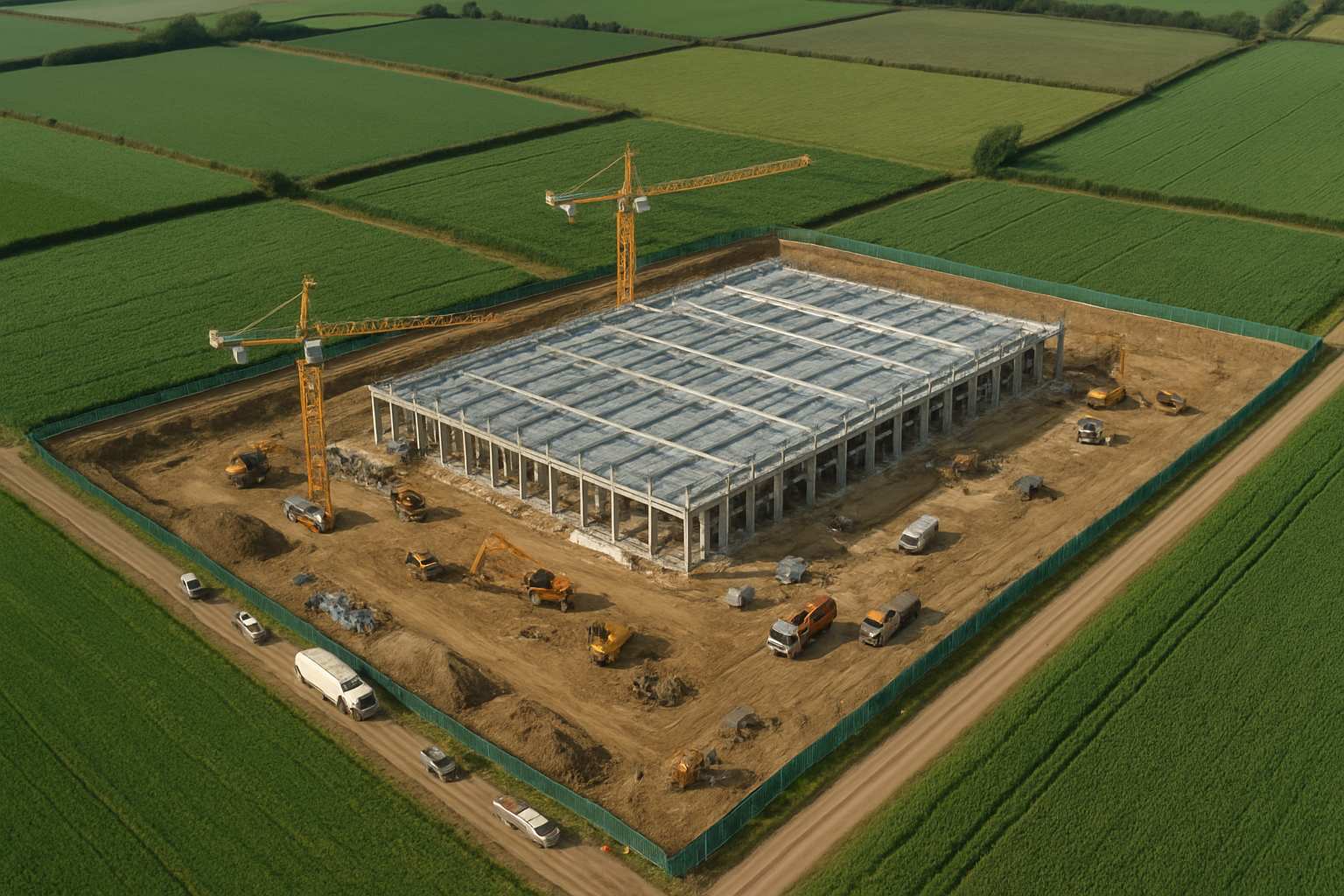
These case studies reveal common threads. First, offers arrive suddenly, often through brokers masking principal investors. Secondly, the promised construction jobs disappear after build-out, leaving only dozens of permanent roles. Consequently, locals question long-term value. These challenges highlight deep cultural stakes. However, understanding market pressures requires a closer look at powered land demand.
Powered Land Demand Surge
Industry analysts estimate 40,000 acres of powered land will be required during the next five years. Moreover, land near substations now fetches Loudoun-style premiums, including a 97-acre sale for $615 million. Energy planners warn grid capacity, not zoning, is often the limiting factor. Therefore, developers scour rural terrain where transmission lines cross inexpensive acreage.
Meanwhile, investors flip entitled parcels for rapid gain, fueling price inflation and deepening Infrastructure Backlash. Additionally, utilities occasionally float new high-voltage corridors, sparking eminent-domain fears. Communities fear losing property rights without reaping durable benefits. These supply-side realities collide with preservation tools such as purchase-of-development-rights programs. Consequently, land trusts provide farmers with alternatives to outsized datacenter checks. Those options shift negotiation power back to agriculture. These market dynamics set the stage for intense economic debate.
Economic Promises Under Scrutiny
Local officials tout tax revenue and temporary construction payrolls. However, critics argue the permanent headcount—often below 100—cannot anchor regional prosperity. Moreover, rising property valuations inflate assessments on neighboring farms, squeezing margins. In contrast, conservation easements lock in agricultural use while injecting smaller, but still meaningful, capital to family operations.
The financial trade-offs spark Infrastructure Backlash at zoning hearings. Consequently, boards in Indiana and Illinois have denied or delayed rezoning petitions. Hyperscale representatives respond with community-benefit agreements, workforce pledges, and lower-water cooling technologies. Nevertheless, skepticism lingers. The following facts frame the debate:
- Construction jobs promised: ~1,000; permanent jobs: ~50 (Mason County example)
- Offer levels observed: $60,000 per acre in Pennsylvania; >$6 million per acre in Loudoun County
- Conservation easement payment to Raudabaugh: ~$2 million, preserving 261 acres
These figures confirm economic uncertainty. Therefore, many rural stakeholders favor controlled Tech Growth rather than unchecked campus sprawl. The conversation moves next to resource impacts.
Environmental Concerns Drive Opposition
Water use dominates headlines. Evaporative cooling can consume millions of gallons yearly. Consequently, CyrusOne pitched non-evaporative systems in Sangamon County to ease fears. Moreover, residents cite diesel backup generators, construction dust, and nighttime light as Environment threats. Energy planners also worry about peak-load spikes that could raise local rates.
Nevertheless, developers counter with renewable procurement commitments and noise barriers. Additionally, they promise landscaping buffers protecting wildlife corridors. In contrast, conservation advocates argue that permanent farmland supports carbon sequestration and food security. Therefore, many townships prefer easement funding over speculative industrial taxation.
These environmental arguments feed public comment periods. Subsequently, they influence vote outcomes that decide project fate. The momentum leads directly into legal processes.
Policy Battles And Moratoriums
County plan commissions have become flashpoints for Infrastructure Backlash. Kosciusko County rejected a 554-acre rezoning in 2025. Subsequently, Sangamon County weighed a moratorium before tabling the measure. Moreover, Mason County meetings attracted overflow crowds where Community coalitions voiced coordinated objections. Developers respond by revising proposals, adding Energy resiliency studies, and extending public-engagement timelines.
Meanwhile, preservation funds quietly expand. Silver Spring Township used local taxes and state grants to help secure Raudabaugh’s easement. Additionally, Lancaster Farmland Trust campaigns to raise additional capital, citing rising land prices driven by Tech Growth. Consequently, policy outcomes now hinge on which side mobilizes faster resources—capital or civic engagement.
These procedural battles often stretch for years. However, professional upskilling can help leaders navigate complex intersections of infrastructure, Environment, and Community impact.
Training Pathways For Professionals
Urban planners, sustainability officers, and product managers now require cross-disciplinary insight. Consequently, professionals can enhance their expertise with the AI Product Manager certification. Moreover, such credentials strengthen dialogue between Tech Growth advocates and rural stakeholders. Therefore, certified leaders may craft balanced solutions that respect agriculture while meeting digital demand.
These educational avenues build technical fluency and negotiation skill. Subsequently, they foster transparent decision-making during heated hearings.
Comprehensive awareness of certifications, market data, and legal tools prepares professionals to mediate future Infrastructure Backlash episodes.


