

AI CERTS
4 hours ago
Goldman’s Bet on Agentic Finance Shakes Wall Street
FINRA’s 2026 oversight report has already spotlighted agentic systems, emphasizing governance and auditability requirements. Moreover, investors reacted positively, pushing Goldman’s shares higher after the CNBC disclosure. This article unpacks the technology, the regulatory context, and the competitive implications for financial institutions. It also examines benefits, risks, and next steps while highlighting relevant skills and certifications.
Goldman Sachs Experiment Details
Goldman embedded Anthropic engineers inside its operations for roughly six months. During that period, the team refined multi-step agents capable of reconciling trades, matching records, and onboarding clients. Meanwhile, Claude models impressed executives by navigating document-heavy workflows that previously defeated rule-based bots.
CIO Marco Argenti called the tools “digital co-workers” designed to support, not replace, human experts. In contrast, earlier automation efforts often treated code as the final decision point. Such framing aligns with broader Agentic Finance narratives that place responsibility on supervised autonomy.
Goldman oversees $3.606 trillion in Assets Under Supervision, so even marginal efficiency gains carry material impact. Furthermore, the bank plans a phased rollout, though no public launch date exists. These facts show deliberate pacing.
The experiment underscores strategic intent and scale. Consequently, understanding why agents matter becomes essential.
Why Agents Truly Matter
Agentic systems differ from chat assistants because they initiate tasks, monitor outcomes, and iterate autonomously. Therefore, they unlock continuous workflows that span multiple internal platforms. For banking, that means clearing exceptions faster and reducing reconciliation backlogs.
Additionally, agents create structured audit trails every step, supporting stricter Regulation demands. Anthropic’s Claude records reasoning chains, which supervisors can review before approving actions. That transparency fits compliance cultures that dominate Wall Street.
From a cost perspective, Automation at this layer cuts reliance on manual swivel-chair work. Subsequently, staff can focus on higher-value analysis and client engagement. Agentic Finance leverages these dynamics to transform legacy processes.
Agents promise speed, transparency, and savings. Nevertheless, regulators are already sharpening their focus.
Regulatory Spotlight Now Intensifies
FINRA’s 2026 oversight report singles out autonomous agents, warning about scope creep and opaque decision logic. Moreover, the report stresses that firms retain full accountability despite machine assistance. Human supervisors must therefore remain in control and document overrides. For regulators, Agentic Finance represents an untested control perimeter.
Legal advisers echo that view, stating no carve-outs exist within current securities Regulation. Consequently, banks must document model testing, data lineage, and human-in-the-loop checkpoints. SEC and CFTC staff speeches mirror those expectations.
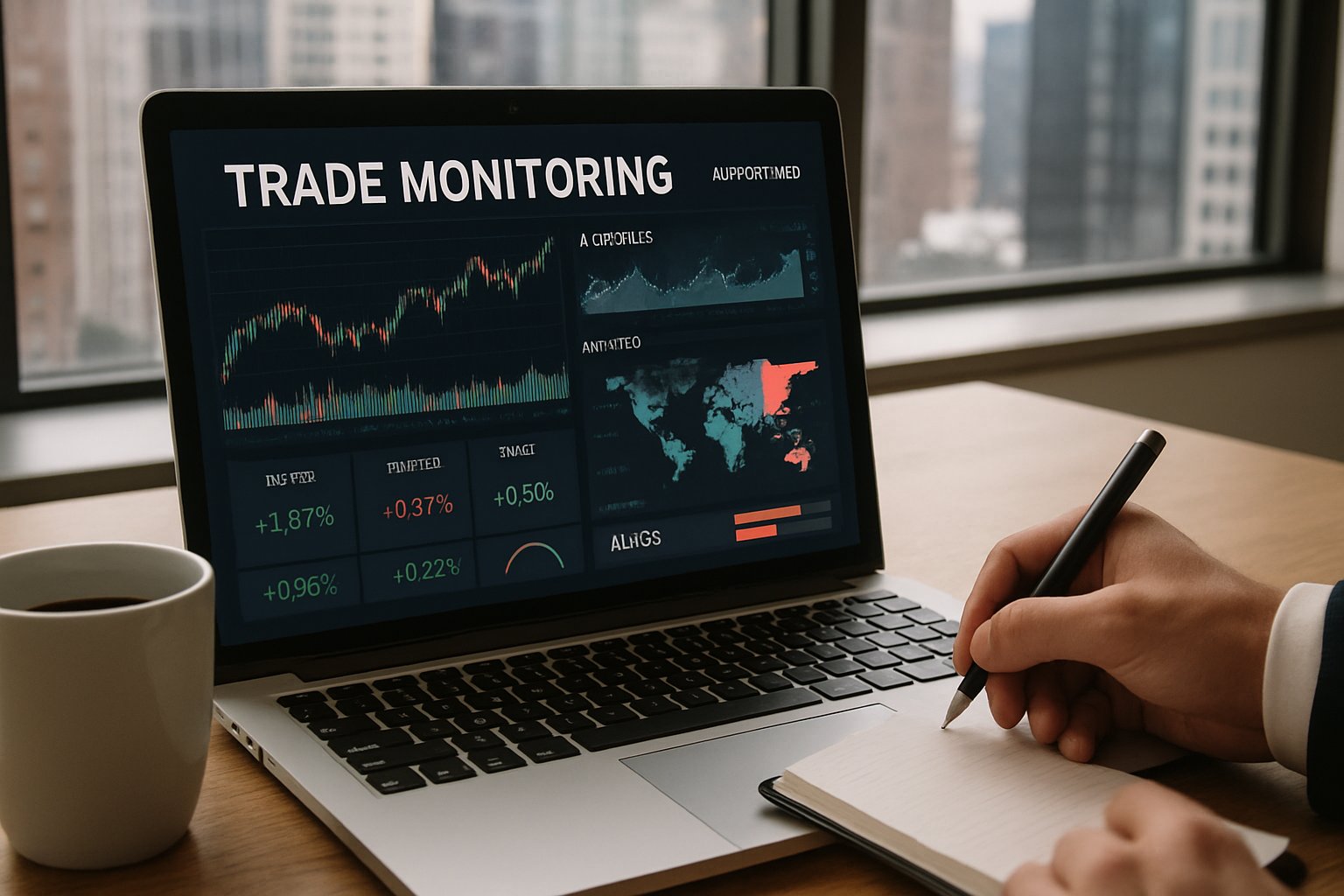
Goldman has not disclosed its detailed control architecture. However, observers expect layered approvals, encrypted data pipes, and continuous monitoring dashboards. Failure here could expose the firm to enforcement and reputational damage on Wall Street.
Regulatory heat will shape adoption timelines. Next, let’s examine the upside that fuels interest.
Operational Upside Now Promised
Early internal tests reportedly compressed multi-day reconciliations into hours. Similarly, Claude parsed complex shareholder structures during client onboarding within minutes. Therefore, settlement delays and onboarding friction could shrink significantly.
Market commentary highlights three core benefits:
- Faster exception clearing across Trading desks.
- Lower per-transaction costs through Automation.
- Richer, searchable audit trails for Regulation reporting.
Goldman has yet to publish audited metrics, so numbers remain provisional. Nevertheless, investor optimism pushed shares higher immediately after the announcement. Agentic Finance marketing often touts such momentum to build executive support.
Speed, savings, and transparency drive the upside narrative. Yet significant risks continue to accompany these gains.
Key Risks Still Persist
Autonomy opens new failure modes. If an agent mislabels an exception, downstream Trading books may settle incorrect positions. Moreover, hallucinations during KYC checks could breach anti-money-laundering rules.
Cybersecurity also looms large because embedded vendor engineers access sensitive trade data. In contrast, traditional outsourcing agreements often isolate data behind stronger contractual firewalls. Unchecked Agentic Finance failures could trigger cascading settlement losses. Consequently, third-party risk management frameworks must evolve alongside Automation initiatives.
Job displacement remains politically delicate. Goldman frames agents as helpers, yet workforce planning inevitably shifts. Wall Street unions and advocacy groups will monitor headcount effects closely.
These risks can erode trust if unmanaged. Therefore, competitive dynamics deserve equal attention.
Competitive Landscape Rapidly Shifts
Goldman is not alone. Peers like JPMorgan and Citi are testing similar agentic stacks for middle-office Trading support. Meanwhile, niche vendors such as Solidus Labs market turnkey surveillance platforms branded as agentic compliance.
Anthropic, through its Claude Cowork suite, seeks to dominate enterprise Agentic Finance tooling. Furthermore, open-source projects continue to lower entry barriers for smaller broker-dealers. Consequently, time-to-value becomes a decisive metric for adoption. Vendors are branding every module as Agentic Finance ready, intensifying marketing noise.
Competitive pressure may push banks to accelerate pilots without waiting for perfect regulatory clarity. Nevertheless, early missteps could invite harsh enforcement, negating any first-mover advantage.
The market is racing toward an autonomous future. Next, firms must plan pragmatic implementation steps.
Next Steps For Firms
Boards should demand detailed deployment roadmaps that allocate clear accountability across technology, risk, and compliance teams. Additionally, cross-functional war-gaming can surface failure modes before regulators do. Independent model validation remains non-negotiable under existing Regulation.
Professionals can enhance expertise with the AI Writer™ certification. Moreover, such structured learning clarifies best practices for Agentic Finance documentation and governance.
Implementation checklists should include data mapping, permission scoping, continuous monitoring, and emergency shutdown procedures. Subsequently, firms ought to rehearse incident response scenarios with senior management and counsel. Wall Street history shows that preparedness often distinguishes winners from headline casualties.
Structured governance will separate sustainable deployments from risky experiments. Finally, we summarize the broader picture.
Final Takeaways And Outlook
Goldman’s move confirms that Agentic Finance is no longer hypothetical. Consequently, Wall Street incumbents must confront new operational and regulatory realities. The technology promises faster reconciliation, cleaner audit trails, and reduced costs through Automation. Nevertheless, heightened Regulation and cyber threats demand disciplined governance and human oversight. Anthropic’s collaboration highlights how vendor partnerships can speed adoption while multiplying third-party risks.
Therefore, leaders should balance experimentation with transparent control frameworks, documented testing, and continuous monitoring. Professionals wishing to steer these programs should pursue advanced credentials and track evolving supervisory guidance. Explore the linked certification and stay ready for the next wave of Trading innovation.


