

AI CERTS
3 months ago
AI Lobbying Influence Battle: Anthropic’s $20M Super PAC Gambit
Polling underscores public anxiety. Pew Research Center found 69 percent of Americans think government action on AI remains insufficient. Therefore, many analysts view Anthropic’s entry as both timely and strategic. The AI Lobbying Influence Battle now dominates policy conversations heading into the 2026 midterms.
Funding Lines Are Drawn
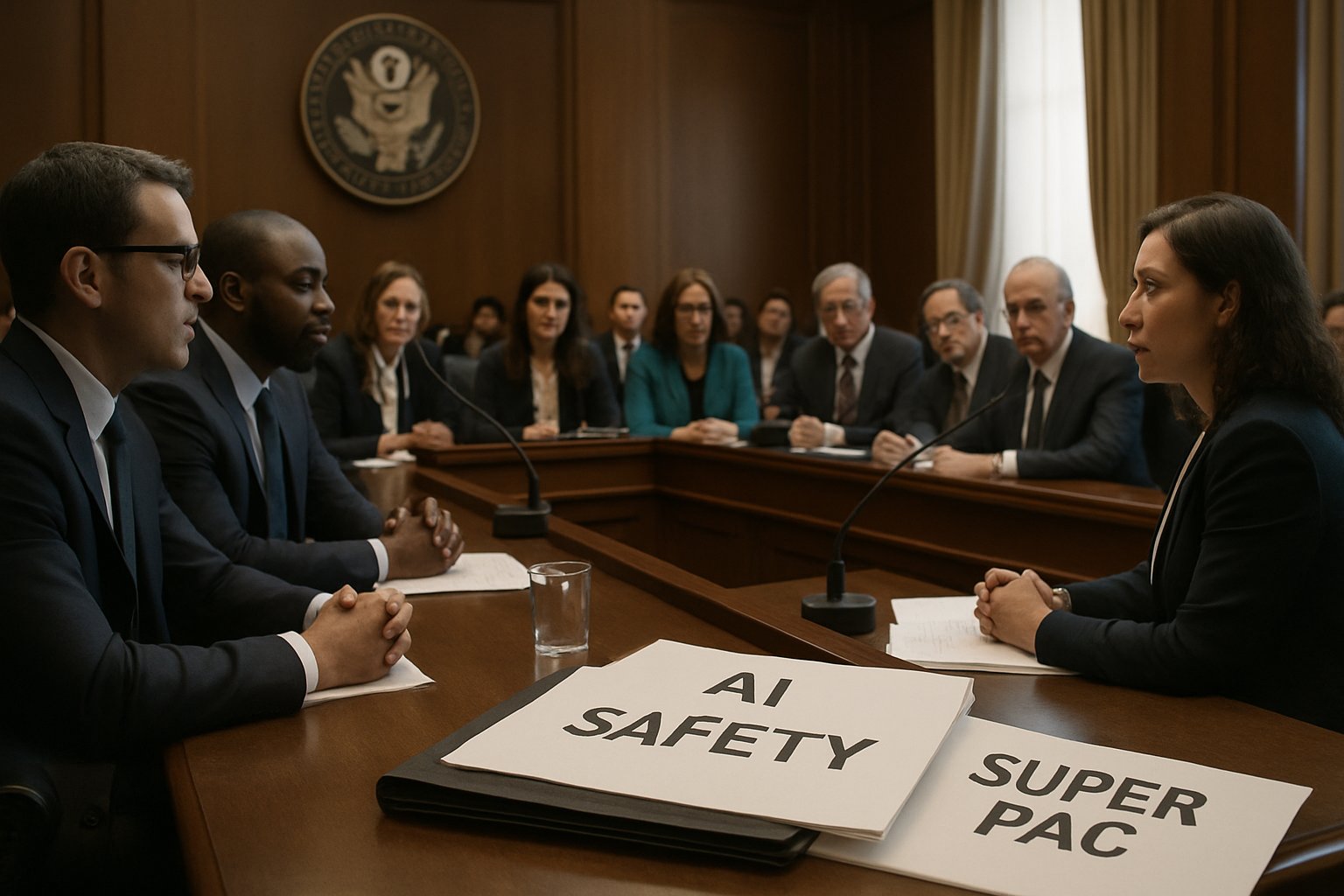
Money shapes narratives in Washington. The AI Lobbying Influence Battle intensified when Anthropic’s $20 million dwarfed earlier pro-regulation contributions. Meanwhile, rival network Leading the Future has reportedly collected between $50 million and $125 million since mid-2025. In contrast, Public First Action’s organizers target a total war chest near $75 million.
The scale matters. Unlimited independent expenditures allow Super PAC messages to saturate districts without candidate coordination. Moreover, the fresh funds let Public First Action plan ad blitzes across partisan lines. These developments highlight a widening financial gulf. However, the new injection also legitimizes safety-first voices.
Taken together, the numbers reveal divergent fundraising trajectories. Hence, stakeholders expect even fiercer spending rounds this summer.
Key Players Rapidly Emerge
Several actors now define the AI Lobbying Influence Battle. Anthropic positions itself as the safety standard-bearer. Conversely, OpenAI leaders and Andreessen Horowitz anchor the lighter-touch camp via Leading the Future. Additionally, former Representatives Brad Carson and Chris Stewart steer Public First Action.
Beyond heavyweight firms, specific candidates receive tailored boosts. For example, Sen. Marsha Blackburn benefits from ads praising her child-safety bills. Meanwhile, Nebraska’s Pete Ricketts sees messaging on export controls. Consequently, observers note a cross-party, cross-chamber strategy.
Below is a snapshot of headline actors:
- Anthropic: $20M donor favoring strict guardrails
- Leading the Future: Industry Super PAC backed by OpenAI figures
- Public First Action: 501(c)(4) funneling money into bipartisan races
- Watchdog groups: Campaign Legal Center, Public Citizen raising transparency flags
These names dominate committee hearings and media cycles. As a result, lobbying scholars anticipate extensive testimony from each side during upcoming rule-making.
Policy Goals In Tension
Regulatory priorities sit at the core of the AI Lobbying Influence Battle. Anthropic advocates export controls on advanced chips, transparency for frontier models, and targeted rules for high-risk uses like bio-threat design. Moreover, the company insists federal law should not preempt stricter state statutes.
Leading the Future counters with growth-oriented rhetoric. Spokesperson Jesse Hunt champions a “smart national framework” balancing safety and competitiveness. In contrast, Brad Carson argues that unchecked innovation courts public backlash. Consequently, voters now hear clashing visions framed through multimillion-dollar campaigns.
The policy split will likely shape committee drafts this fall. Therefore, corporate lobbyists are racing to secure sympathetic co-sponsors before markup sessions begin.
Money Flow Mechanics Unveiled
Understanding the cash pathways clarifies strategic options within the AI Lobbying Influence Battle. A 501(c)(4) like Public First Action may keep donor details private, yet it can transfer unlimited amounts to an affiliated Super PAC. Subsequently, that Super PAC must disclose expenditures to the FEC.
Consequently, corporations gain messaging reach while limiting public scrutiny of original funds. Nevertheless, watchdogs warn the arrangement erodes transparency norms.
Key financial facts appear below:
- $20,000,000: Anthropic’s disclosed gift
- $50–75 million: Public First Action’s fundraising target
- $50–125 million: Leading the Future’s reported haul
- 30–50: Candidates Public First Action plans to support
These figures illustrate mounting stakes. However, definitive allocations will emerge only after quarterly filings land. Analysts advise tracking Schedule B transfers for clarity.
Such mechanics attract professionals exploring governance careers. Accordingly, practitioners can sharpen expertise through the AI Policy Maker™ certification.
Financial opacity debates will intensify. Nevertheless, upcoming disclosures could pressure lawmakers to revisit campaign-finance loopholes.
Public Opinion Shapes Debate
Numbers alone do not decide outcomes. The AI Lobbying Influence Battle also unfolds within a volatile public mood. Pew data show 62 percent of adults engage with AI weekly. Yet 69 percent believe government action lags technological pace.
Furthermore, recent focus groups reveal bipartisan concern over deepfakes and biometric misuse. Consequently, candidates now treat AI safety as a kitchen-table issue rather than niche tech policy.
Campaign strategists watch these metrics closely. Therefore, ad buys increasingly merge economic arguments with ethical stories. Voters see slogans linking export controls to national security or transparency to consumer rights.
The opinion climate gives regulation advocates fresh leverage. Still, industry growth champions bank on jobs messaging to sway undecided blocs.
Risks And Potential Backlash
Corporate political money invites scrutiny. The AI Lobbying Influence Battle may amplify reputational threats for tech brands. Moreover, critics label 501(c)(4) channels “dark money” vehicles.
Independent analysts warn of three main hazards:
- Perceived capture of public policy by concentrated capital
- Regulatory retaliation against perceived partisan meddling
- Heightened antitrust attention from skeptical lawmakers
Nevertheless, proponents argue engagement beats silence. They contend that absent corporate input, poorly drafted rules could stifle innovation and cede leadership to rivals like China.
Backlash scenarios will inform boardroom risk assessments. Consequently, some firms may adopt blended approaches, quietly funding trade associations while maintaining public neutrality.
These dynamics foreshadow a delicate dance. However, strategic communication can mitigate blowback if executed transparently.
Strategic Outlook For 2026
The next eight months will test both coalitions. The AI Lobbying Influence Battle will accelerate as filing deadlines near and ad inventory tightens.
Analysts predict three pivotal milestones:
- Spring markup of a draft federal AI safety bill
- Summer release of FEC Q2 reports revealing spending velocity
- Autumn debate season where AI policy enters mainstream questions
OpenAI allies intend to frame stringent rules as economic hazards. Meanwhile, Anthropic will showcase bipartisan endorsements for export controls. Additionally, watchdog groups plan lawsuits challenging opaque funding streams.
Consequently, strategy teams already map contingency budgets. Yet, final voter sentiment will hinge on swing-district advertising resonance.
These approaching checkpoints will crystallize battle lines. Therefore, practitioners should monitor filings weekly for shifts in momentum.
The sections above illustrate shifting alliances. Altogether, they paint a landscape where money, message, and regulation intersect.
Disclaimer: Some content may be AI-generated or assisted and is provided ‘as is’ for informational purposes only, without warranties of accuracy or completeness, and does not imply endorsement or affiliation.


