

AI CERTs
7 hours ago
Physical Resource Constraints: AI Faces Copper Crunch
A silent struggle is unfolding behind the generative-AI boom. Massive data centers require staggering amounts of conductive metal to move electricity efficiently. Consequently, industry analysts now warn that Physical Resource Constraints could slow deployment schedules worldwide.
The red metal—traditionally abundant—has entered a period of structural scarcity, according to S&P Global’s January study. Moreover, the International Copper Study Group flipped its 2026 outlook from surplus to deficit within one quarter. Hyperscalers like Amazon already negotiate directly with miners, signalling unusual tension between digital and materials markets.
Meanwhile, prices spiked above $14,000 per tonne before retreating in volatile February trading. This article unpacks supply data, market reactions, engineering realities, and strategic options for technology leaders. Readers will learn how Hardware procurement, supply chain resilience, and final products economics respond to emerging limits.
Data Centers Drive Demand
BloombergNEF estimates that hyperscale facilities could need more than 400,000 tonnes of the red metal annually this decade. Furthermore, engineers calculate roughly 30 tonnes per megawatt for dense AI workloads. That metric means a 1-gigawatt campus may need 30,000 tonnes before the first server boots. In contrast, conventional enterprise halls consume a fraction of that volume.
- S&P Global: data-center demand could reach 2.5 million tonnes by 2040.
- Copper Development Association: single AI campus may require up to 50,000 tonnes.
- BNEF: annual incremental demand peaks near 572,000 tonnes in 2028.
Consequently, the material’s allocation has become a board-level discussion at hyperscalers. Resource bottlenecks already appear in internal risk registers, according to two senior planners we interviewed.
Data-center growth is undeniably material-intensive. These figures underscore emerging scarcity risks. However, wider market forces compound the challenge, as the next section explains.
Deficits Emerge By 2026
S&P Global warns of a ten-million-tonne gap by 2040 without fresh investment. Moreover, the International Copper Study Group shifted 2026 expectations from surplus to 150,000-tonne deficit. Wood Mackenzie presents similar numbers, though methodology differs. Nevertheless, every model points toward tightening before new mines come online.
Mine accidents, community protests, and maintenance outages trimmed concentrate supply during 2025. Additionally, permitting timelines average 12 years, leaving little short-term relief. Physical Resource Constraints therefore manifest earlier than many executives once assumed.
Analysts converge on near-term deficits. Early warnings have shifted procurement behaviour. Next, we assess how price swings test planning assumptions.
Price Volatility Tests Planners
The London Metal Exchange recorded late-January highs above $14,000 per tonne. Subsequently, profit-taking and macro jitters chopped twelve percent from that peak within weeks. In contrast, inventories stayed low, suggesting structural scarcity underneath surface turbulence.
CFOs face budgeting puzzles when weekly swings equal annual hedging targets. Commodity caps once treated as routine expanded beyond 2024 limits. Furthermore, Physical Resource Constraints complicate hedge strategies because futures liquidity thins during extreme rallies.
Volatility amplifies cost risk even before material shortages bite. Finance teams must rethink hedge horizons. Engineering realities, however, can limit substitution flexibility, as the following section shows.
Recycling Offers Limited Relief
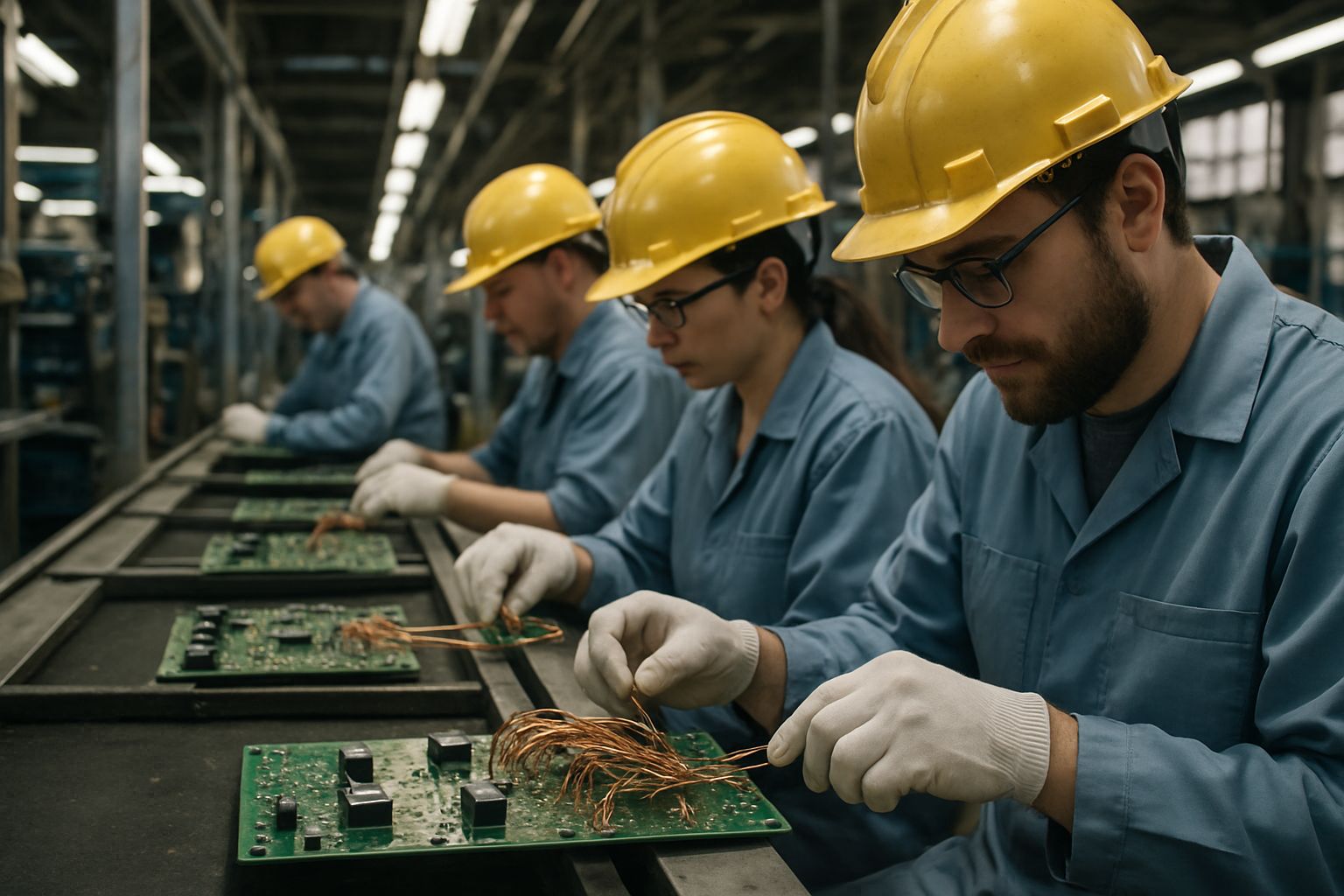
Roughly one-third of refined supply currently comes from scrap streams. Yet, long lifecycles delay material return, throttling secondary flows. Moreover, collection networks lag industrial demand growth in many regions.
Researchers confirm that scaling recycling cannot fully offset surging AI needs before 2030. Aluminum sometimes replaces copper in low-current cables, but server halls need higher conductivity. Consequently, Physical Resource Constraints persist even under optimistic recycling scenarios.
Recycling helps yet cannot erase the projected gap. Material engineers still need primary supply. The next section explores strategies technology buyers are already deploying.
Strategic Options For Buyers
Amazon’s January agreement with Rio Tinto provides a notable template for bilateral sourcing. Additionally, the contract includes Nuton bioleaching, signalling ESG priorities alongside security of resource. Google and Microsoft are scouting similar moves, according to several consultants.
Procurement chiefs also collaborate with transformer vendors to redesign Hardware footprints using narrower busbars. Moreover, equipment bundling allows suppliers to guarantee material volumes across multiple products families. Physical Resource Constraints now appear in contract clauses that trigger alternate metal deliveries if shortages intensify.
Companies further invest in urban-mining startups to secure post-consumer scrap before competitors. Meanwhile, supplier-auditing software tracks real-time mine disruptions, adding geospatial intelligence to supply chain dashboards.
Direct sourcing, design tweaks, and data tools create a layered defence. These steps, though costly, safeguard build timelines. However, understanding technical impacts remains essential, as the engineering analysis below clarifies.
Engineering Impact Explained Clearly
Serving three-phase power to AI accelerators requires dense busbars fashioned from the red metal. Furthermore, each liquid cooling pump adds several kilograms of high-purity copper windings. Hardware designers can swap aluminum conductors only if cabinets accept larger cross-sections, raising rack weight. Consequently, Physical Resource Constraints intersect tightly with thermal limits and floor-loading calculations.
Material choices ripple through electrical, thermal, and mechanical models. Engineers must qualify alternatives early. Policy incentives and professional upskilling offer complementary paths, as the final section discusses.
Policy Moves And Certifications
Governments consider tax credits for recycled material to ease near-term shortages. Moreover, strategic stockpiles similar to rare-earth reserves are under review.
Enterprises can bolster expertise through the AI Supply Chain Professional™ certification. The program covers forecasting, scenario modelling, and mitigation of Physical Resource Constraints across complex supply chain ecosystems. Additionally, course modules examine Hardware sourcing frameworks and sustainable products design. Consequently, graduates translate technical insights into actionable procurement strategy.
Policy support and targeted training strengthen organisational resilience. Companies that invest early improve negotiation leverage. The conclusion distills the central insights and recommends next steps.
Conclusion And Next Steps
The AI surge is colliding with finite geological realities. Synchronized demand from electrification and cloud expansion shrinks available metal inventories. Therefore, Physical Resource Constraints now influence budgeting, design, and scheduling decisions in every hyperscale roadmap.
Prices will fluctuate, yet the underlying deficit trajectory appears durable through the decade. Consequently, leaders must integrate material scenarios into financial models and capacity planning. Enterprises should pursue diverse tactics: direct contracts, recycling partnerships, and certified talent development.
Explore the linked certification to future-proof supply chain strategies and keep next-generation products on track.


