

AI CERTS
4 hours ago
Treasury’s AI Public Service Advisory Draws Praise and Scrutiny
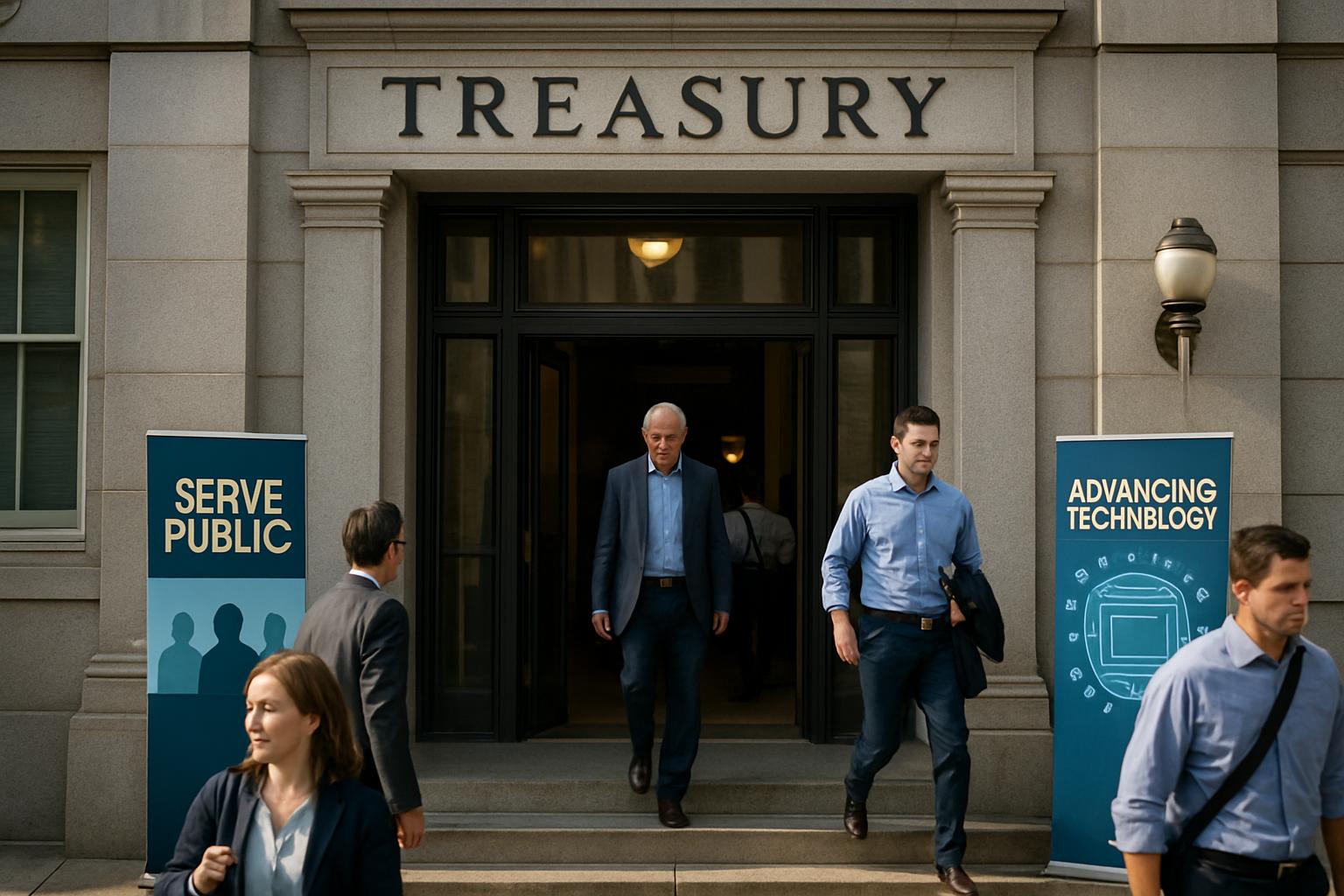
The Guardian headline captured immediate reactions, ranging from optimism to alarm.
Critics questioned conflicts of interest.
Supporters highlighted efficiency gains before the coming spending review.
Consequently, policymakers now face a delicate balancing act.
This article examines that meeting within the wider Public Service Advisory landscape, outlining benefits, risks, and governance steps.
Meanwhile, budget pressures intensify Whitehall’s search for credible automation routes.
Therefore, understanding this episode helps industry leaders anticipate procurement trends and regulatory priorities.
Treasury Meeting Sparks Debate
Initially, the Guardian story detailed how James Murray invited thought leaders to the Cabinet Office building.
In contrast, official press releases remain absent, leaving journalists to chase meeting minutes through Freedom of Information requests.
Nevertheless, HMT sources confirm that advice will inform efficiency plans before the next spending review.
Public Service Advisory was the formal label attached to the gathering, setting a cooperative yet controversial tone.
Moreover, some attendees voiced hopes that the session would position the UK as a global exemplar for trustworthy automation.
However, campaigners from Foxglove warned that involving the Blair thinktank alongside commercial vendors risked regulatory capture.
Consequently, debate now focuses on whether transparent guardrails accompany the consultation.
These early reactions underline high political stakes.
Subsequently, attention shifts to funding sources and influence pathways.
Players And Funding Web
Money often dictates influence inside policy circles.
Furthermore, TBI’s AI programme benefits from more than £250m pledged by Ellison Foundation outlets.
Investigative reporters note that such backing dwarfs many traditional Westminster think-tank budgets.
Meanwhile, Oracle’s proximity to government data infrastructure raises unavoidable procurement questions.
HM Treasury participation gives the Blair thinktank privileged agenda-setting access, despite official claims of vendor neutrality.
Consequently, Foxglove demands published safeguards covering future tenders, evaluation panels, and disclosure rules.
- £250m Ellison funding pledged to TBI, according to Guardian figures.
- £730,000 Meta donation supports national security AI experts, Cabinet Office confirmed.
- Three memoranda signed with major labs: OpenAI, Anthropic, Google DeepMind.
These figures illustrate an intricate funding network.
Therefore, clarity on advisory boundaries becomes non-negotiable.
Importantly, the Public Service Advisory framing grants structured legitimacy to these engagements.
Next, we consider promised gains for frontline delivery.
AI Promise For Services
Proponents argue that machine learning can cut queue times, detect fraud, and personalize tax guidance.
Moreover, the HMRC Transformation Roadmap projects expanded digital self-service portals once pilots mature.
IBM representatives told attendees that automated triage already saves minutes on every call-centre interaction.
In contrast, civil servants emphasised the need for robust explainability before deploying high-stakes decision support.
Public Service Advisory advocates suggest beginning with low-risk administrative processes, then scaling cautiously.
Consequently, planning units want phased procurement gates that match risk profiles.
- 30% potential reduction in manual data entry, HMRC estimates.
- £5 saving per online form processed, according to departmental pilots.
These projected savings excite budget holders.
However, promise without oversight invites trouble, as the next section explains.
Risks Of Vendor Capture
Civil society groups fear advisory doors can become sales funnels.
Additionally, repeated meetings may allow insiders to shape technical requirements before tenders reach the market.
Foxglove therefore calls for mandatory publication of attendee lists within two weeks.
UK procurement law already requires open competition, yet loopholes around research pilots persist.
Moreover, confidential data sharing during exploratory workshops can create de-facto exclusivity for incumbent vendors.
Public Service Advisory supporters respond that strict firewalls separate conversation from evaluation scoring.
Nevertheless, experts cite previous NHS AI contracts where early access influenced procurement outcomes.
Investigators allege the Blair thinktank now operates as a shadow delivery unit for several ministries.
These cautionary tales justify stronger governance.
Subsequently, we explore mechanisms that could deliver that protection.
Governance Safeguards Remain Essential
Regulators recommend clear conflict registers, published agendas, and independent chairs for advisory boards.
Furthermore, minutes should flag any commercial interests declared during discussions.
Nevertheless, the Treasury can publish conflict logs alongside future agendas.
The Cabinet Office also urges departments to rotate external experts between sessions.
Public Service Advisory engagements could adopt these templates immediately, according to procurement lawyers.
Consequently, transparent processes may rebuild citizen trust while preserving competitive tension.
These measures cost little yet matter greatly.
Next, attention turns to practical disclosure milestones.
Next Steps For Transparency
Industry observers propose three immediate actions for decision makers.
- Publish the 25 February attendee roster within ten days.
- Release a summary of recommendations before budget deliberations.
- Commit to open procurement notices for any resulting pilots.
Moreover, redacted cost estimates should accompany every pilot announcement.
Public Service Advisory guidelines must reference these commitments, ensuring consistency across departments.
Therefore, future collaborations could proceed without recurring controversy.
These milestones offer a realistic transparency roadmap.
Finally, strategic implications deserve reflection.
Strategic Takeaways
For technology leaders, the episode signals growing demand for credible public-sector AI expertise.
Additionally, balanced governance frameworks will increasingly influence bid success.
UK officials want innovation, yet they cannot afford headlines about unchecked influence.
Consequently, suppliers should prepare audit-ready documentation and invest in independent ethics review.
Public Service Advisory participation offers reputational upside when matched with rigorous transparency.
Professionals can enhance credibility through the AI for Government™ certification.
Moreover, that programme teaches risk assessment, procurement law, and deployment design for sensitive services.
Nevertheless, agencies still require vendors who understand red-team testing and data minimisation obligations.
Therefore, continuous professional development will remain a winning differentiator.
Public Service Advisory initiatives should reference certified practitioners to strengthen legitimacy.
Balanced Public Service Advisory processes will decide how quickly innovations reach citizens.
These insights demonstrate why oversight and capability must rise together.
Join peers already transforming citizen services with certified expertise.
Explore the certification today and position your team for the next wave of accountable digital services.


