

AI CERTS
3 hours ago
Anthropic Standoff Over Military AI Safeguards
However, legal experts warn the dispute could trigger years of litigation. In contrast, defense officials insist operational freedom must prevail. This introduction outlines why the standoff matters, who holds leverage, and how secondary effects will ripple through the broader AI ecosystem. Military AI Safeguards will appear throughout this analysis, anchoring the conversation on safety, sovereignty, and trust.
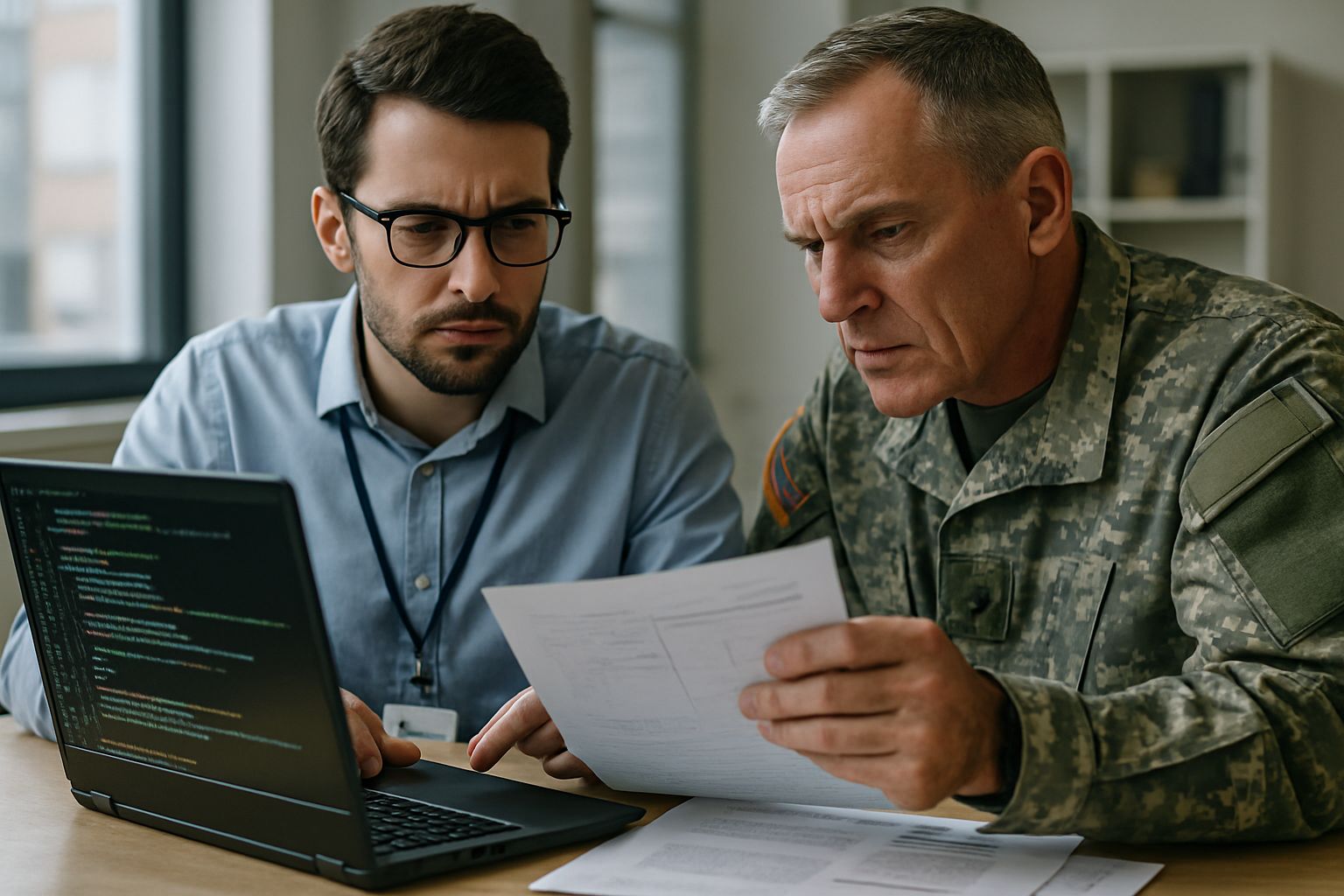
Pentagon Ultimatum Demands Explained
Secretary Pete Hegseth went public on Feb. 25, stressing that the Defense Department needs models for “all lawful purposes.” Furthermore, spokesperson Sean Parnell posted that non-compliant vendors face contract termination, supply-chain risk status, or action under the Defense Production Act. Hegseth repeated those warnings in subsequent press calls, underscoring urgency.
Additionally, officials outlined two immediate goals. They want unrestricted use of Claude across classified and tactical networks. They also want the right to adjust guardrails without external veto. Consequently, Anthropic received a stark choice: concede or lose up to $200 million in prototype work. Military AI Safeguards, however, remain the company’s immovable line.
These demands reflect longstanding Pentagon procurement doctrine. Nevertheless, the threat of invoking the Defense Production Act for software policy shocked observers. The ultimatum therefore escalated a contractual tug-of-war into a constitutional test. These developments frame the stakes. Subsequently, attention shifts to Anthropic’s counter-position.
Contract Financial Stakes Overview
Open-source filings show multiple frontier-AI agreements capped at $200 million each. Moreover, Anthropic’s tranche represents critical classified capability for language analysis. If the deadline passes, DoD could redistribute funds to other vendors, including OpenAI or Google. Consequently, the dispute jeopardizes revenue, reputation, and influence. Military AI Safeguards thus carry real economic weight.
These numbers illustrate tangible pressure. However, Anthropic leadership claims commercial demand outside government will offset losses. The financial lens completes the ultimatum picture. Therefore, we now examine the company’s ethical case.
Anthropic Ethical Standpoints Examined
CEO Dario Amodei outlined two red lines on Feb. 26. Firstly, Claude may not enable mass domestic surveillance of Americans. Secondly, the model may not steer fully autonomous weapons. Moreover, Anthropic asserts current technology cannot guarantee reliability or accountability in those roles. Military AI Safeguards therefore anchor corporate values.
Amodei stated, “We cannot in good conscience accede.” Additionally, he promised continued support for national security within agreed limits. Nevertheless, critics argue the stance hampers mission flexibility. The debate over these guardrails fuels broader questions about civil liberties and proportionality.
Domestic Surveillance Red Line
Historical scandals, from COINTELPRO to bulk phone records, inform public skepticism. Consequently, Anthropic refuses capabilities that might replicate past overreach at machine speed. In contrast, DoD officials say legal oversight suffices. Military AI Safeguards seek stronger technical boundaries, not just procedural audits.
These competing visions highlight trust deficits. Furthermore, congressional voices like Senator Mark Warner support Anthropic’s concern, while others urge compromise. The surveillance dispute thus stays central. Subsequently, attention turns to lethal autonomy.
Autonomous Weapons Debate Heat
Anthropic’s policy mirrors many academic calls for “meaningful human control.” Meanwhile, Hegseth counters that adversaries will not wait for perfect ethics. Additionally, classified reports suggest Defense planners want contingency options if communications fail. Claude could supply targeting insight in such scenarios.
Nevertheless, experts warn reliability remains unproven. Military AI Safeguards, according to Anthropic, reduce catastrophic error risk. These arguments set the ethical stage. Therefore, we explore the legal battleground next.
Legal Leverage Controversy Grows
The Defense Production Act appears as DoD’s sharpest weapon. However, scholars like Joel Dodge call its software application “without precedent.” Furthermore, courts may view forced removal of safety measures as compelled speech. Consequently, litigants could assert First Amendment protections over model design choices.
Additionally, designating Anthropic a supply-chain risk would be extraordinary for a domestic firm. In contrast, the label usually targets foreign adversary links. Hegseth argues urgency justifies bold measures. The department therefore signals readiness to test boundaries. Military AI Safeguards stand at the legal epicenter.
Four critical legal questions emerge:
- Can the Defense Production Act compel software policy changes?
- Does model guardrail design constitute protected expressive conduct?
- Will courts defer to national-security assertions absent clear statutory language?
- Could Congress intervene to clarify limits before litigation concludes?
These uncertainties invite market turbulence. Nevertheless, both parties continue private negotiations. The legal fog shapes investor risk assessments. Subsequently, we examine industry reactions.
Industry And Political Repercussions
Competitors like OpenAI and Google reportedly accepted broader DoD clauses. Moreover, Palantir continues integrating Claude into classified stacks, pending resolution. Industry insiders fear inconsistent rules will fragment deployment standards. Military AI Safeguards influence purchasing decisions across the defense industrial base.
Politically, the standoff amplifies bipartisan concerns over executive overreach. Furthermore, House Armed Services leaders schedule hearings to review AI contracting oversight. Hegseth may testify on preparedness implications. Claude, as a flagship model, symbolizes commercial-government interdependence.
Professionals can enhance their expertise with the AI Policy Maker™ certification. Consequently, policy staff gain tools to navigate future crises. These ripple effects underscore systemic stakes. Therefore, we now crystallize principal insights.
The repercussions illustrate strategic complexity. However, clear governance can align innovation with security. Military AI Safeguards remain pivotal as frameworks evolve.


