

AI CERTS
4 hours ago
Met Police Facial Identity Check Pilot Faces Legal Scrutiny
Meanwhile, a judicial review and an EHRC intervention scrutinise the policy framework. Industry leaders therefore watch closely, especially as other forces eye similar tools. This article unpacks the technology, data, legal context, and leadership implications. Along the way it asks whether the promised benefits outweigh the biometric risks. Ultimately, understanding each Facial Identity Check deployment detail helps executives shape informed governance strategies.
Timeline Of Pilot Rollout
Beginning October 2025, the Met installed live cameras on Croydon lamp posts. However, that fixed-camera phase was only the opening move. In July 2025 the force doubled van deployments, citing budget pressures and efficiency. Subsequently, arrests climbed beyond one thousand across all modes, according to police briefings.
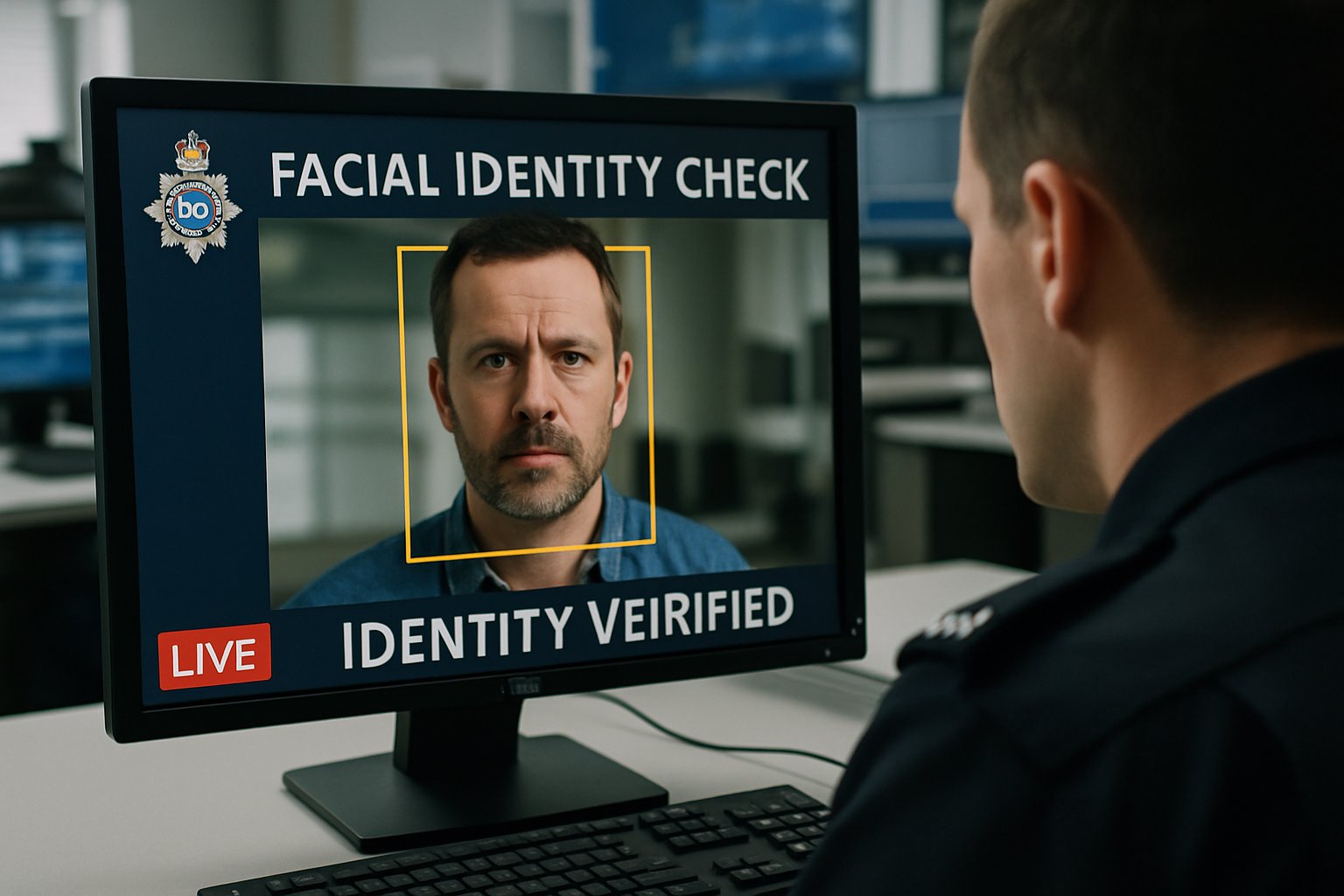
The watershed arrived on 26 February 2026 when City Hall unveiled the handheld Facial Identity Check pilot. Moreover, one hundred officers will carry smartphones able to match street photographs against a 17,000-image watchlist. If no match appears, biometric data must be deleted instantly, commanders pledged. Consequently, leaders promise reduced stop-and-search friction.
These milestones reveal rapid scaling. Nevertheless, public concern rose just as quickly.
Technology Under The Hood
Live Facial Recognition combines high-resolution cameras with NEC or similar algorithms. However, the handheld variant shifts computation onto encrypted mobile devices. Captured frames travel through secure channels to compare against custody databases. Therefore, accuracy depends on threshold settings, camera angles, and dataset diversity.
Met engineers set similarity thresholds above 60 percent to curb false positives. In contrast, academics warn biased datasets skew results for minority faces. Subsequently, the Equality and Human Rights Commission demanded transparent accuracy reports. Furthermore, every Facial Identity Check photo should vanish from memory when no alert triggers.
Technical nuance shapes public trust. Consequently, clarity on code and data remains essential.
Operational Claims And Data
Met dashboards celebrate 103 Croydon arrests during the first three months. Moreover, one third involved violence against women and girls. Across London deployments, police count more than one thousand total arrests. Meanwhile, the force says crime fell locally, though peer-reviewed evidence is scarce.
Watchlists usually contain about 16,000 images, expanding the net yet enlarging risk. Consequently, nearly 4.7 million faces were scanned nationwide in 2024, press reports show. Privacy campaigners argue that scale magnifies even tiny error rates. Therefore, talking strictly in arrest numbers misses the systemic picture.
- 103 arrests from Croydon fixed cameras
- 1,000+ arrests since first LFR trials
- 4.7 million faces scanned in 2024
The figures appear impressive at first glance. However, context and methodology determine their real value.
Legal And Rights Backlash
Civil groups Liberty and Big Brother Watch filed for judicial review R (Thompson & Carlo). However, the EHRC also intervened, stating current policy breaches Articles 8, 10, and 11. The claimants challenge vague definitions of where Facial Identity Check deployments may occur. Moreover, they contest oversized watchlists that blur necessity and proportionality.
Court hearings in January 2026 pushed the Met to justify safeguards in detail. In contrast, judges pressed counsel on missing impact assessments. Subsequently, a ruling later in 2026 could set national precedent. Therefore, legal uncertainty shadows ongoing experimentation.
Litigation puts sharp limits under scrutiny. Consequently, robust governance may decide the technology's future.
Bias And Accuracy Debates
Independent studies still report higher false alerts for Black and Asian pedestrians. However, the Met disputes systemic bias, citing internal testing not yet published. Academics counter that small sample sizes mask real-world variance. Furthermore, South Wales Police paused similar tools in 2024 after accuracy doubts.
Privacy advocates calculate that millions of scans create thousands of misidentifications annually. Consequently, even a one percent error rate can erode community confidence. Biometric experts demand third-party audits and ethnicity-specific metrics. Meanwhile, the Home Office is consulting on national standards.
Evidence gaps fuel mistrust. Nevertheless, transparent auditing could bridge many divides.
Market And Vendor Landscape
NEC’s NeoFace dominates current police contracts yet other suppliers court the market. Additionally, start-ups emphasise on-device processing to reduce data transfer risks. Consequently, procurement teams must weigh accuracy, vendor lock-in, and privacy guarantees. Moreover, cloud-based matches raise cross-border data concerns under UK GDPR.
Industry professionals can strengthen evaluation skills through the AI Project Manager™ certification. That course covers governance, risk, and Facial Identity Check deployment planning. Therefore, certified leaders can question algorithmic claims with authority. In contrast, untrained buyers often miss critical contractual traps.
The supplier field evolves rapidly. Consequently, continuous education equips decision-makers for shifting offerings.
Strategic Takeaways For Leaders
Boards should request monthly metrics on accuracy, bias, and deletion compliance. Moreover, deployment policies must describe specific locations and offences targeted. Consequently, each Facial Identity Check should log purpose, outcome, and retention status. Surveillance oversight panels can audit these logs quarterly.
Force executives also need a clear exit strategy if courts rule against current practice. Meanwhile, citizen engagement sessions can rebuild eroded trust. Furthermore, aligning with international biometric standards will future-proof investments. Finally, integrating findings into annual risk registers embeds accountability.
Proactive governance limits reputational harm. Therefore, structured oversight converts controversy into responsible innovation.
London's pilot highlights facial recognition's promise and peril in equal measure. However, operational gains mean little without rock-solid legal foundations. Consequently, every future Facial Identity Check must be transparent, proportionate, and independently audited. Privacy safeguards, bias testing, and real-time oversight should advance at the same pace as hardware. Meanwhile, executives can upskill through the AI Project Manager™ programme before procuring new systems. Furthermore, practitioners who master Facial Identity Check metrics will guide responsible surveillance strategies. In contrast, leaders ignoring biometric governance invite court-room shocks and reputational harm. Act now, evaluate each Facial Identity Check rigorously, and turn innovation into trusted public safety.


