

AI CERTS
3 months ago
Healthcare Labor Lessons from Kaiser Nurses Strike Resolution
Industry leaders watched closely because staffing shortages already threaten patient care nationwide. Meanwhile, executives balanced service continuity, rising costs, and mounting public scrutiny. Consequently, the settlement now offers critical lessons about bargaining power and sustainable hospital operations.
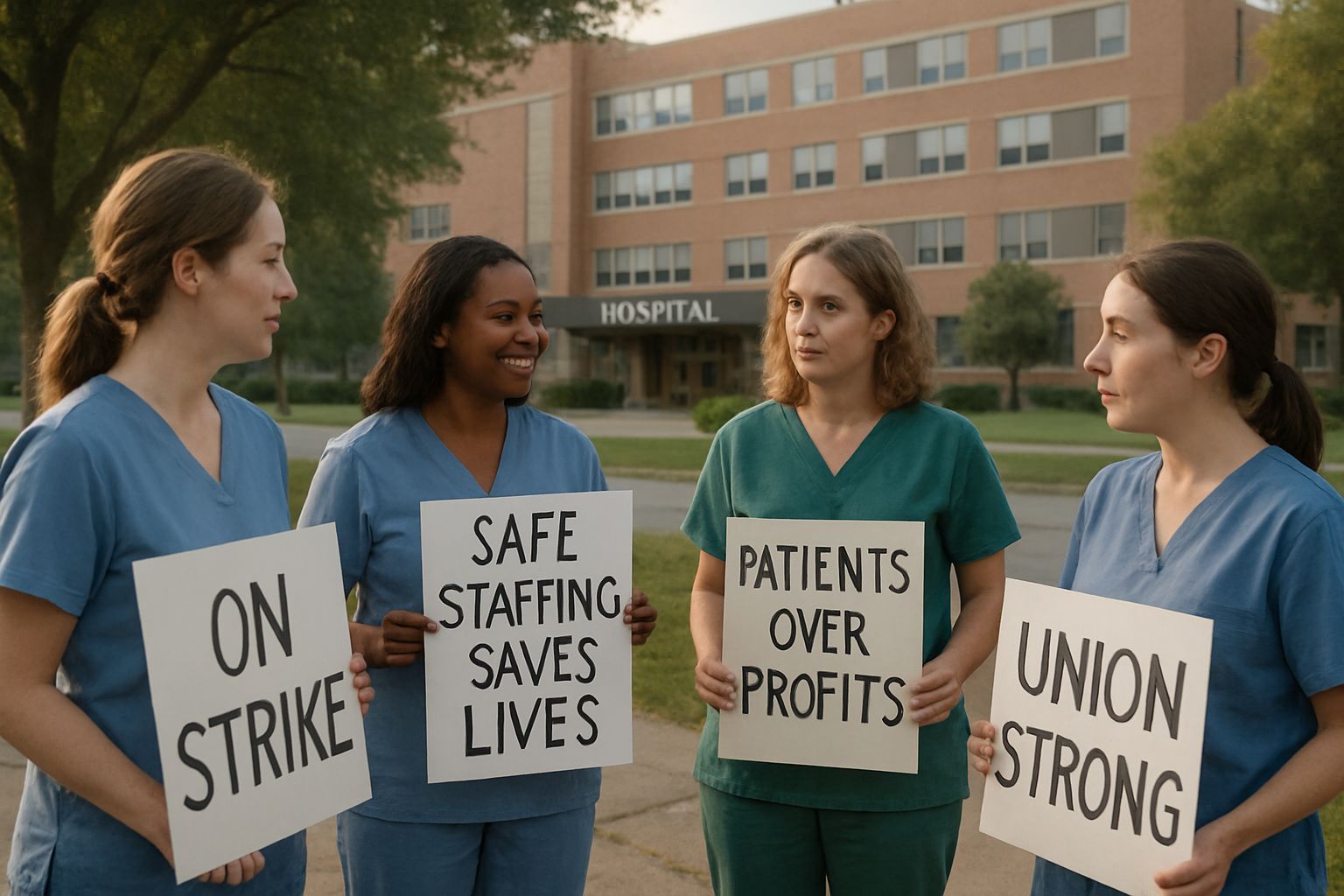
This article unpacks the timeline, wage concessions, safety provisions, and future implications for healthcare systems. Moreover, we examine cost projections and regulatory angles shaping employer strategies. Readers will gain actionable insights for managing complex workforce negotiations.
Kaiser Strike Timeline Recap
The dispute began on January 26, 2026, across California and Hawaii facilities. Unionized Nurses walked out after contract talks stalled around staffing and pay. In contrast, the company maintained that talks required more time to finalize local terms.
Picket lines stretched across roughly 600 medical offices and 40 hospitals. Consequently, elective surgeries and routine appointments faced delays for thousands of Patients. Emergency departments relied on traveler staff and administrators with clinical licenses.
- 31,000 employees joined the Strike across two states.
- Four weeks of picketing affected 600 offices and 40 hospitals.
- Return-to-work notice issued at 7:00 a.m. on February 24.
Talks intensified during the third week when federal mediators joined sessions. However, significant movement emerged only after both sides floated a 21.5% wage figure. Subsequently, on February 23 the union issued an unconditional return-to-work notice.
The timeline underscores how prolonged pressure can hasten compromise. Nevertheless, unresolved contract wording still requires ratification. Next, we analyze the wage package that broke the stalemate.
Key Wage Agreement Highlights
Financial terms became public only hours before Nurses clocked in Tuesday morning. Kaiser confirmed a 21.5% across-the-board raise spread over four years. Moreover, retroactive adjustments will appear on paychecks within 60 days, according to internal memos.
Subsequently, observers framed the deal as a benchmark for Healthcare Labor settlements nationwide. Union negotiators originally demanded 25% Wages growth to match regional living costs. However, analysts note the accepted figure still outpaces many recent hospital settlements.
Therefore, the compromise signals renewed emphasis on retention versus aggressive recruitment bonuses. Separate locality differentials remain under discussion for high-need specialty units. Consequently, total earnings could climb higher in expensive metropolitan markets.
In contrast, rural campuses may rely on creative scheduling incentives instead of extra Wages bumps. These monetary gains raise morale and competitiveness. Yet they also inflate operational budgets.
Next, we explore how safety provisions complement the pay deal.
Staffing And Safety Provisions
While pay grabbed headlines, staffing language may prove more transformative. UNAC secured enforceable ratios that limit so-called “paper staffing” practices. Moreover, break relief Nurses can no longer count toward baseline assignments.
Additionally, management must report monthly vacancy data to a joint committee. Consequently, frontline clinicians gain earlier visibility into understaffing trends that jeopardize Patients. The Joint Commission's new guidance strengthened the union’s bargaining leverage.
The employer also agreed to expedite internal float pools before turning to agency contractors. Nevertheless, disciplinary steps will apply if units fall below mandated ratios. Healthcare Labor advocates call these enforcement clauses a major precedent.
Clear rules can reduce burnout and improve clinical outcomes. However, compliance monitoring will demand constant attention. We now quantify the financial impact of these changes.
Employer Cost Calculations Explained
Kaiser estimates the 21.5% package will add about $2 billion to payroll by 2029. Moreover, staffing ratio enforcement could require additional full-time hires. Analysts from Fitch warn that labor spend now exceeds pre-pandemic projections.
In contrast, union economists argue higher Wages prevent expensive turnover. Therefore, the net budget effect may stabilize after the first contract cycle. Subsequently, payers might face premium pressures if cost offsets fail.
Healthcare Labor researchers suggest integrating automation for administrative tasks. However, clinical roles still require human expertise at the bedside. Professionals can enhance their expertise with the AI+ Human Resources™ certification.
Budget models show wide sensitivity to turnover variables. Nevertheless, transparency will help stakeholders anticipate rate changes. The next section situates these numbers within a national movement.
Broader Healthcare Labor Context
Across the country, hospital unions have organized dozens of Strike actions since 2024. Moreover, pandemic burnout, inflation, and heightened public support embolden negotiating committees. Consequently, employers benchmark every new settlement against escalating expectations.
Regulators also shape outcomes. In December 2025, The Joint Commission issued sharper staffing directives referencing patient acuity. Therefore, Healthcare Labor momentum gained legal and moral backing.
Several analysts compare the episode at the integrated network to earlier walkouts at Ascension and HCA. In contrast, regional cost structures mean identical Wages percentages can produce divergent headlines. Nevertheless, core themes—safety, respect, and fair pay—remain universal.
The macro trend indicates collective bargaining will stay assertive. Yet localized dynamics still matter greatly. Now we review on-the-ground logistics guiding the workforce return.
Return To Work Logistics
Staff reentry began at 7:00 a.m. on Tuesday, February 24. The provider implemented a phased schedule prioritizing critical care and surgical units. Meanwhile, cross-functional teams audited equipment readiness before opening waiting rooms.
Supervisors paired returning Nurses with relief staff for the first 48 hours. Additionally, mental health counselors circulated to address post-Strike fatigue. Patient liaison officers communicated updated appointment times to thousands of concerned Patients.
Union observers documented ratio compliance at shift change checkpoints. Consequently, early reports show limited service backlogs and steady emergency throughput. Nevertheless, elective procedure volumes will require weeks to normalize.
Smooth reentry offers a visible win for Healthcare Labor stakeholders. However, lingering legal steps could influence morale. Our final section looks ahead to negotiation milestones.
Future Negotiation Outlook Ahead
Final contract text still awaits membership ratification and executive signatures. Moreover, local appendices covering specialty pay and per-diem pools remain open. Subsequently, Healthcare Labor watchers expect a formal vote within 30 days.
The system pledged to publish the financial impact assessment once terms are sealed. In contrast, dissident members threaten renewed Strike actions if promises erode. Therefore, transparent progress reporting will be crucial for harmony.
Regulatory agencies could intervene if staffing violations surface during implementation. Consequently, both sides have incentives to uphold metrics and share data. Industry leaders plan to monitor patient outcomes and turnover rates quarterly.
Ongoing vigilance should sustain trust and service quality. Nevertheless, evolving economic conditions may test budget resilience. The conclusion will distill these findings and propose next steps.
Conclusion And Takeaways
Tuesday’s return marked a milestone for integrated care operations. However, the episode also reshaped Healthcare Labor expectations across the sector. Stronger ratios, competitive Wages, and transparency promises now anchor future bargaining.
Consequently, boards must align fiscal stewardship with front-line realities. Meanwhile, union leaders will leverage public trust and regulatory tailwinds. Healthcare Labor negotiators on both sides should maintain open data exchanges to preserve goodwill.
Professionals seeking deeper strategic insight can pursue the AI+ Human Resources™ credential. Act now to strengthen workforce governance and deliver safer, more affordable care.
Disclaimer: Some content may be AI-generated or assisted and is provided ‘as is’ for informational purposes only, without warranties of accuracy or completeness, and does not imply endorsement or affiliation.


