

AI CERTs
3 hours ago
Anthropic Remote Control Elevates Developer AI Mobility
Developers rarely enjoy pausing deep work when they leave their desks. However, Anthropic’s new Remote Control mode for Claude Code claims to fix that common disruption. The research preview lets programmers start coding locally, then direct the same session from any browser or Mobile device. Consequently, flow state survives coffee runs, commutes, and dog walks.
Moreover, the release arrives during Anthropic’s explosive growth phase, backed by a $30B Series G round. The company reports Claude Code run-rate revenue above $2.5B, reinforcing its Developer AI ambitions. Additionally, weekly active users have doubled since January, according to Anthropic statements. This article examines how Remote Control works, why it matters, and what enterprises should evaluate next. Expect technical specifics, security analysis, market impact, and actionable guidance tailored for the Developer AI community.
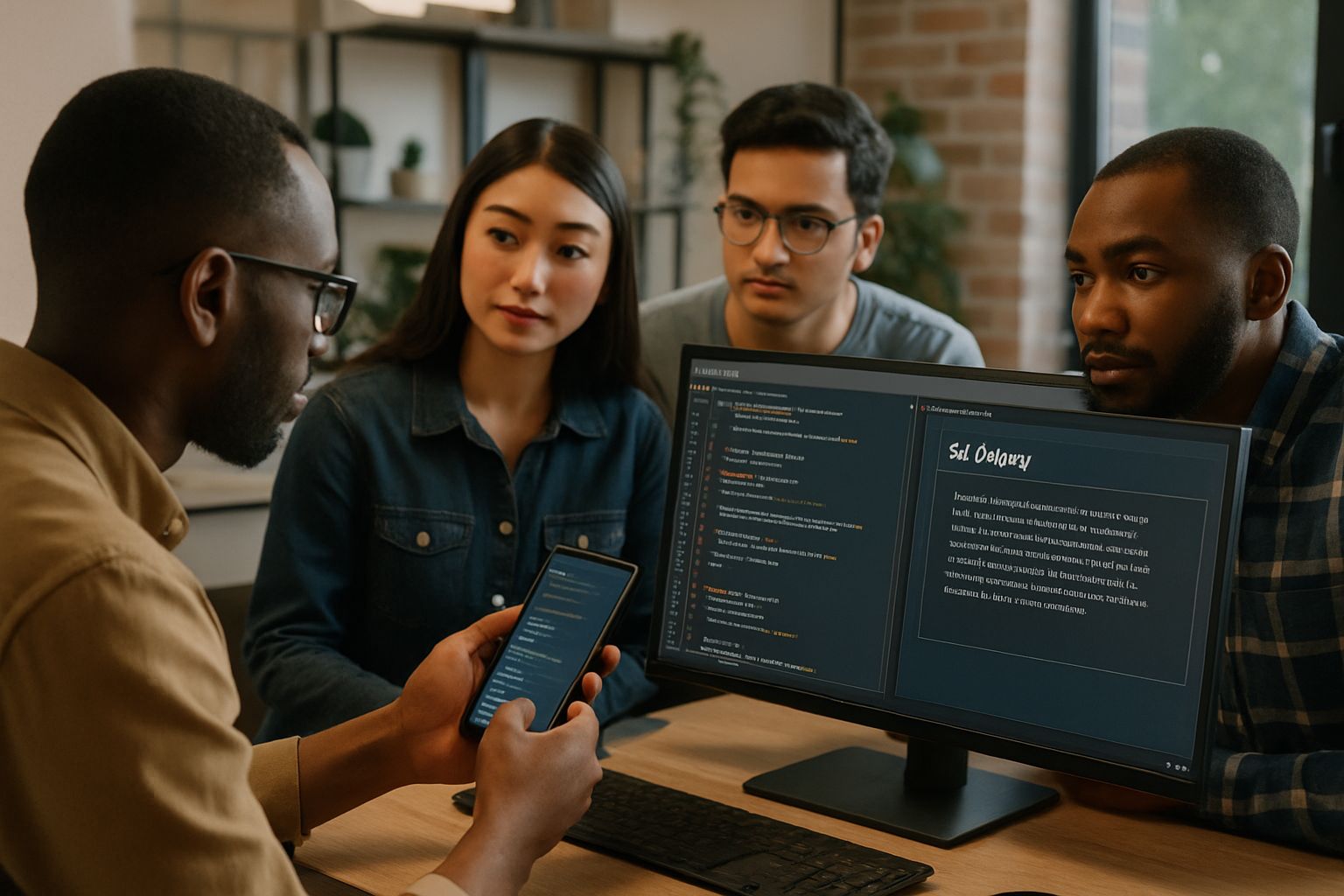
Remote Control Feature Debut
Remote Control entered public view on 24 February 2026 via product manager Noah Zweben’s post on X. Techmeme surfaced coverage within hours, and developer feeds immediately amplified the announcement. Meanwhile, Anthropic updated documentation on code.claude.com, labelling the capability a research preview for Max subscribers. Pro users will follow soon, though Team and Enterprise tiers remain excluded for now. Therefore, early access skews toward individual power users willing to pay $60 per month for Max. Consequently, the launch underscores Anthropic’s intent to dominate the Developer AI tooling space.
Remote Control reached users quickly and generated visible excitement. However, availability limitations temper the initial momentum. Next, we examine the technical architecture enabling this cross-device magic.
Underlying Connection Mechanics
Claude Code remains running on the developer’s machine, orchestrating the build, test, and deploy cycle. In contrast, the Mobile or web interface only renders the message stream and accepts commands. Anthropic implements an outbound-only HTTPS polling channel, so no inbound ports ever open on the workstation. Moreover, short-lived credentials rotate frequently, reducing exposure windows. Therefore, security teams will appreciate that traffic remains encrypted end-to-end.
Latency stays low because compute and file access live locally, not inside a distant cloud Application. Subsequently, developers still access private repositories, environment secrets, and on-prem databases without additional tunnelling. One remote session attaches to each process, and closing the terminal ends the link. Nevertheless, automatic reconnect logic handles brief network drops under ten minutes. Users report the overall Vibe feels like a native IDE window, despite running through a browser. This seamless continuity advances the broader Developer AI narrative of context-preserving agents.
The architecture balances convenience with prudent security design. Consequently, teams get mobility without surrendering local sovereignty. Those gains translate directly into measurable productivity benefits.
Key Benefits For Developers
Productivity gains headline every community discussion. Furthermore, Remote Control eliminates brittle SSH plus tmux workflows previously used during transit. Additionally, developers can run integration tests that depend on heavy datasets unavailable in the cloud.
- Preserve local Code tools and secrets.
- Switch to Mobile control instantly via QR scan.
- Maintain low latency since Application logic executes locally.
- Retain full debugger features on phones.
- Experience a cohesive Vibe without session restarts.
Moreover, Anthropic claims demand doubled weekly active Claude users after mobile handoff features arrived. Independent analysts argue that familiarity plus convenience heighten the Developer AI appeal for prospective subscribers. Consequently, higher engagement accelerates revenue, helping validate Anthropic’s $14B run-rate claim.
Remote Control materially sharpens day-to-day efficiency. However, security and compliance remain decisive enterprise factors. We therefore evaluate those concerns next.
Security And Compliance View
Enterprise architects first inspect network flow diagrams. Anthropic’s outbound TLS relay model removes inbound attack vectors, yet encrypted metadata still traverses corporate boundaries. Therefore, regulated industries must map data residency rules against Anthropic infrastructure checkpoints.
Furthermore, only Max and Pro consumer plans support Remote Control today, leaving centrally managed audit logging absent. Anthropic documents sandbox flags for filesystem and network isolation, but administrators need custom policies. In contrast, third-party tools such as Claude Remote promise end-to-end encryption plus multiple host persistence. Nevertheless, official vendor support usually outweighs DIY overhead for large organizations.
Professionals can enhance their expertise with the AI+ Cloud Architect certification. Ultimately, rigorous reviews guarantee Developer AI tools align with internal control frameworks.
Remote Control reduces several traditional risks, yet new review steps emerge. Consequently, enterprises should formalize threat modeling before broad rollout. Attention now shifts to competitive dynamics.
Market And Ecosystem Shift
Anthropic’s move impacts a small but lively ecosystem of tunnel and mirror projects. Moreover, startups like Claude Remote, ForkOff, and Kibbler advertised Mobile dashboards long before today. Those offerings differentiate through features such as multi-host daemons, offline persistence, or alternative security stances. Nevertheless, customers often gravitate to first-party integrations when stability matters.
Meanwhile, Anthropic’s $380B valuation signals investor confidence in its Developer AI monetization roadmap. Consequently, competitors may pivot toward specialized niches like compliance reporting or real-time multiplayer editing. Analysts interviewed by VentureBeat suggest official Mobile support will accelerate adoption far beyond hobbyist circles. Additionally, Remote Control keeps Application state synchronized, which third-party dashboards sometimes lose. In contrast, open-source communities could keep innovating rapidly, experimenting with fresh Vibe concepts. The resulting competition benefits developers through variety and faster iteration cycles.
Anthropic’s entrance reshapes partner strategies and user expectations. However, diverse alternatives will persist for specialized workflows. The next section explains adoption steps.
Getting Started In Minutes
Setup demands less than five commands according to the docs. First, update the Claude Code CLI to version 2.1.52.
- Update CLI to v2.1.52.
- Run claude remote-control.
- Scan QR with Mobile app.
- Code on the go; keep terminal alive.
Subsequently, scan the code with the official Mobile app or open the URL in a browser. Reconnect logic tries again if your phone briefly loses signal. Furthermore, sandbox flags like --network=off limit external calls during sensitive builds. Developers embracing Developer AI best practices will script these steps into onboarding wikis.
Starting a session now feels almost trivial. Consequently, frictionless setup strengthens regular usage patterns. Finally, we consolidate strategic insights.
Strategic Takeaways For Teams
Remote Control illustrates Anthropic’s commitment to mobility and local sovereignty. Moreover, the capability aligns with rising expectations that Developer AI tools must respect existing environments. Security reviews remain mandatory, yet the outbound design offers a favorable starting point. Financial leaders should model subscription upgrades against projected productivity upticks.
In contrast, teams on Enterprise plans must wait for official support or consider interim third-party options. Professionals keen on architecting robust pipelines can pursue the AI+ Cloud Architect certification for deeper design insight. Ultimately, sustained value arises when culture, process, and technology evolve together. Consequently, leadership should pilot Remote Control, gather metrics, and iterate policies before scaling organization-wide.
Successful pilots often showcase Developer AI agents complementing senior engineers rather than replacing them. Therefore, broad adoption could mature the Developer AI ecosystem, stimulating richer integrations across the toolchain.
Teams that plan, measure, and educate will harvest significant returns. However, ignoring security and change management risks eroding those gains.
Anthropic’s Remote Control pushes the frontier of agent management and keeps local assets secure. Consequently, developers guide complex builds from buses, parks, and conference corridors without breaking flow. The outbound relay architecture limits attack surfaces while preserving workstation performance. Furthermore, official support threatens third-party tunnels yet forces all vendors to innovate faster. Enterprises must still validate compliance, model costs, and train staff on resilient processes. Professionals can enhance their expertise with the AI+ Cloud Architect certification and lead secure deployments. Act today; trial Remote Control and position your organization at the forefront of efficient, secure AI-driven workflows.


