

AI CERTS
3 hours ago
Gaming AI Lessons From Sony’s Bluepoint Shutdown
Moreover, analysts link this closure to Sony’s shifting live-service ambitions and rising costs. This article unpacks key facts, explores market context, and highlights career moves for affected professionals. Readers will discover how Gaming AI, strategic pivots, and certification paths intersect in this unfolding story. Additionally, we examine lessons for studios balancing artistic heritage with monetization pressure.
Therefore, decision-makers can apply these insights when planning future projects and workforce allocations. Meanwhile, displaced developers can leverage targeted certifications to remain competitive. In contrast, investors may reassess risk models for high-budget remakes and live-service hybrids.
Closure Announcement Impact Analysis
Bloomberg broke the story on 19 February 2026 after a confidential briefing. Sony later issued a confirmation, stating Bluepoint Games will cease operations in March. Approximately 70 employees face redundancy or redeployment. However, PlayStation leadership promised to explore internal roles where feasible. Nevertheless, many staff are already updating portfolios and seeking external Jobs. Consequently, social feeds display an outpouring of support from peer studios.
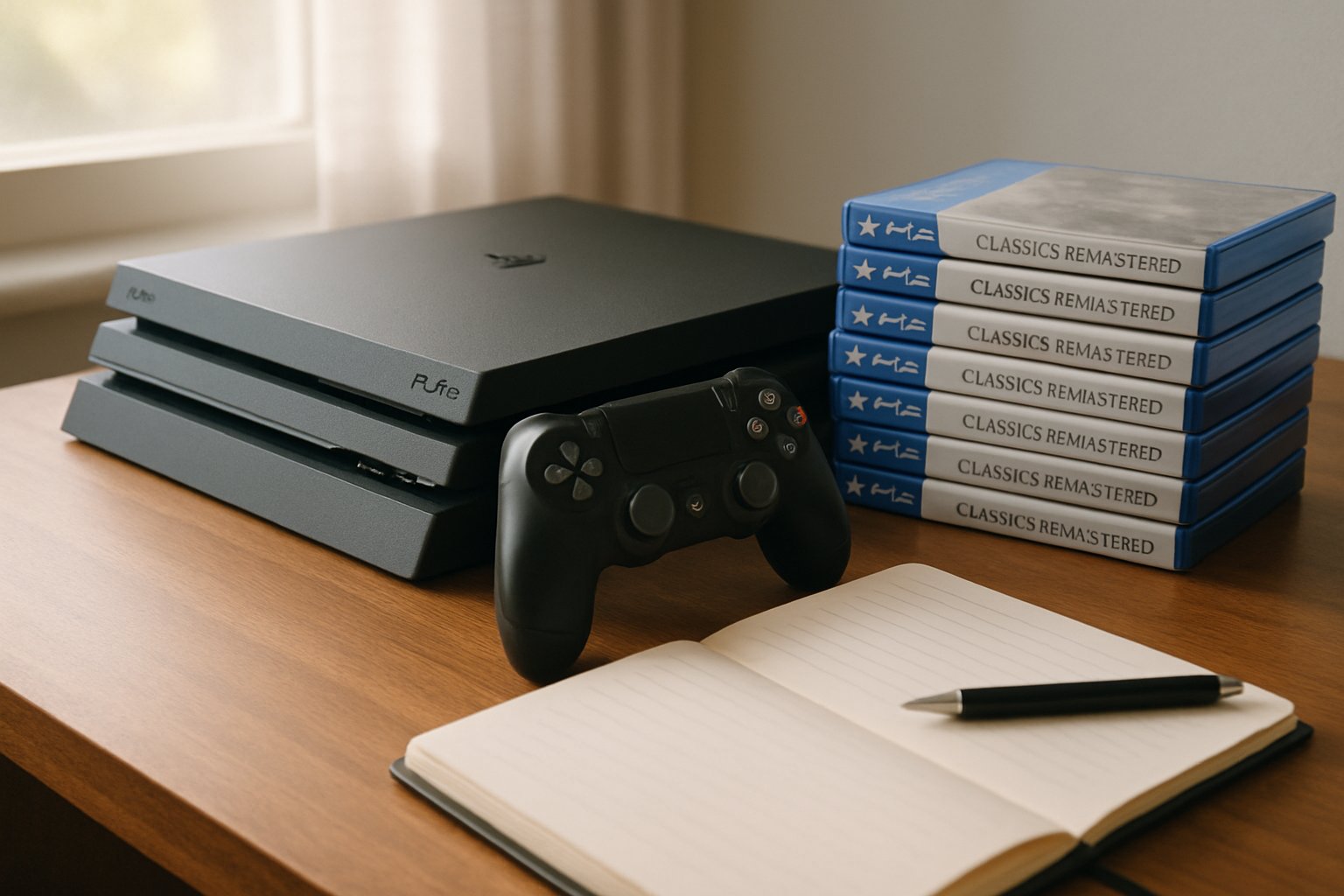
- 2006: Bluepoint founded in Austin.
- 2018: Shadow of the Colossus released.
- 2020: Demon’s Souls rebuilt for PS5.
- 2021: Sony acquired the studio.
These milestones underscore Bluepoint’s consistent excellence and commercial reliability. However, the closure shifts perception of what corporate stability means within PlayStation Studios. Now we examine the strategic factors behind this surprising move. Gaming AI pattern analysis also surfaces in board discussions about portfolio returns.
Strategic Rationale Behind Decision
Hermen Hulst framed the shutdown as unavoidable after a rigorous business review. He cited rising development costs, changing player behaviour, and economic headwinds. Furthermore, the cancelled live-service God of War project left Bluepoint without clear mandate. In contrast, stakeholders expected another premium Remake to stabilise revenue. Consequently, management faced a dilemma between reallocating budget or expanding risk.
Sony selected consolidation, believing other PlayStation teams could absorb displaced talent. Moreover, internal models suggested improved margins once shared technology pipelines mature. Gaming AI forecasting tools reportedly shaped these projections. Nevertheless, critics argue algorithmic models undervalue cultural capital built by specialist studios.
The memo shows cost efficiency trumped heritage. Next, we place the decision within wider market turbulence.
Industry Context Live Service
The closure aligns with the corporation's retreat from aggressive live-service targets. Previously, executives promised twelve such titles by fiscal 2025. However, cancellations at Bend, Firesprite, and Firewalk signalled a course correction. Consequently, investors demanded proof of disciplined spending. Analysts note Gaming AI trend lines support this retrenchment.
Rising AAA Cost Pressures
AAA budgets now exceed many Hollywood films. Moreover, content updates extend burn rates for live-service experiments. Therefore, firms explore Gaming AI pipelines to automate testing and asset creation. Subsequently, resource allocation models favour flexible cross-studio staffing rather than boutique outfits.
These pressures contextualise Bluepoint’s fate within a systemic recalibration. Yet talent displacement raises new career considerations we discuss next.
Talent And Future Jobs
Roughly 70 seasoned developers now navigate uncertainty. Many hold deep engine optimisation skills from Remake projects. Additionally, rival publishers publicly invite applications, advertising remote and hybrid Jobs. Consequently, the labour market may quickly reabsorb this expertise.
Professionals can enhance their expertise with the AI+ Healthcare Specialist™ certification. Moreover, Gaming AI credentials strengthen job candidacy across engine, tool, and analytics teams. Meanwhile, PlayStation HR promises to consider internal transfers where skill matches exist. Nevertheless, relocation options remain limited by visa rules and family commitments.
Upskilling offers immediate resilience for the displaced group. Next, we examine Bluepoint’s technical heritage to gauge lost capabilities.
Technical Legacy And Remakes
Bluepoint’s track record showcases meticulous asset reconstruction and frame-perfect gameplay preservation. Shadow of the Colossus demonstrated innovative streaming pipelines that saved memory bandwidth. Furthermore, Demon’s Souls leveraged bespoke lighting systems praised by Digital Foundry. Gaming AI assisted performance profiling during these projects, according to former engineers.
Community forums frequently requested a Bloodborne Remake using Bluepoint’s engine expertise. However, that prospect now seems unlikely given the studio’s dissolution. Consequently, PlayStation may need another team to revive dormant classics.
This heritage loss narrows the company's in-house mastery of high-end remakes. Finally, we explore potential paths forward for the platform holder.
What Comes Next PlayStation
Analysts expect the corporation to refocus on fewer, higher-margin exclusives. Furthermore, insiders mention an internal audit of every live-service budget line. Moreover, strategic forecasts now integrate Gaming AI scenario modelling for portfolio risk. Gaming AI resource planners will likely guide green-light meetings. Meanwhile, Bluepoint alumni may consult or form startups, keeping relationships alive. Jobs boards already feature postings that echo Bluepoint skill requirements. Consequently, ecosystem knowledge stays within the extended platform network even after the closure.
The next fiscal report will reveal whether consolidation truly boosts margins. Stakeholders await those numbers to validate the strategic gamble.
The shutdown underscores mounting costs and volatile market expectations across AAA development. Consequently, leaders must balance heritage projects against scalable, data-driven live-service bets. Gaming AI will increasingly guide those calculations, from prototyping to post-launch optimization. Meanwhile, displaced talent can pivot quickly by upskilling through accredited programs.
Therefore, consider enrolling in specialized certifications to solidify competitive advantage. Visit the linked course catalogue and future-proof your career today. Additionally, keep networking with peers and monitoring emerging studios that value deep engine craft. In contrast, investors should watch upcoming earnings calls to verify promised efficiency gains.


