

AI CERTS
3 months ago
Canada Demands OpenAI Regulatory Oversight Plan
Moreover, experts worry that opaque escalation rules leave law enforcement blind. Meanwhile, platform leaders insist that premature alerts can breach user privacy. Stakeholders on both sides agree that clearer standards are overdue. The coming weeks will test industry promises and government resolve. This report unpacks the timeline, competing arguments, and potential compliance shifts. Readers will gain a concise view of what is known, what remains unclear, and how future guardrails could evolve.
Ottawa Safety Summons Explained
Canada's Artificial Intelligence Minister Evan Solomon summoned the OpenAI safety team to Parliament Hill on 23 February. His office said the meeting aimed to examine the company’s June 2025 decision not to alert police. Officials pressed for written escalation protocols, disclosure thresholds, and incident statistics.
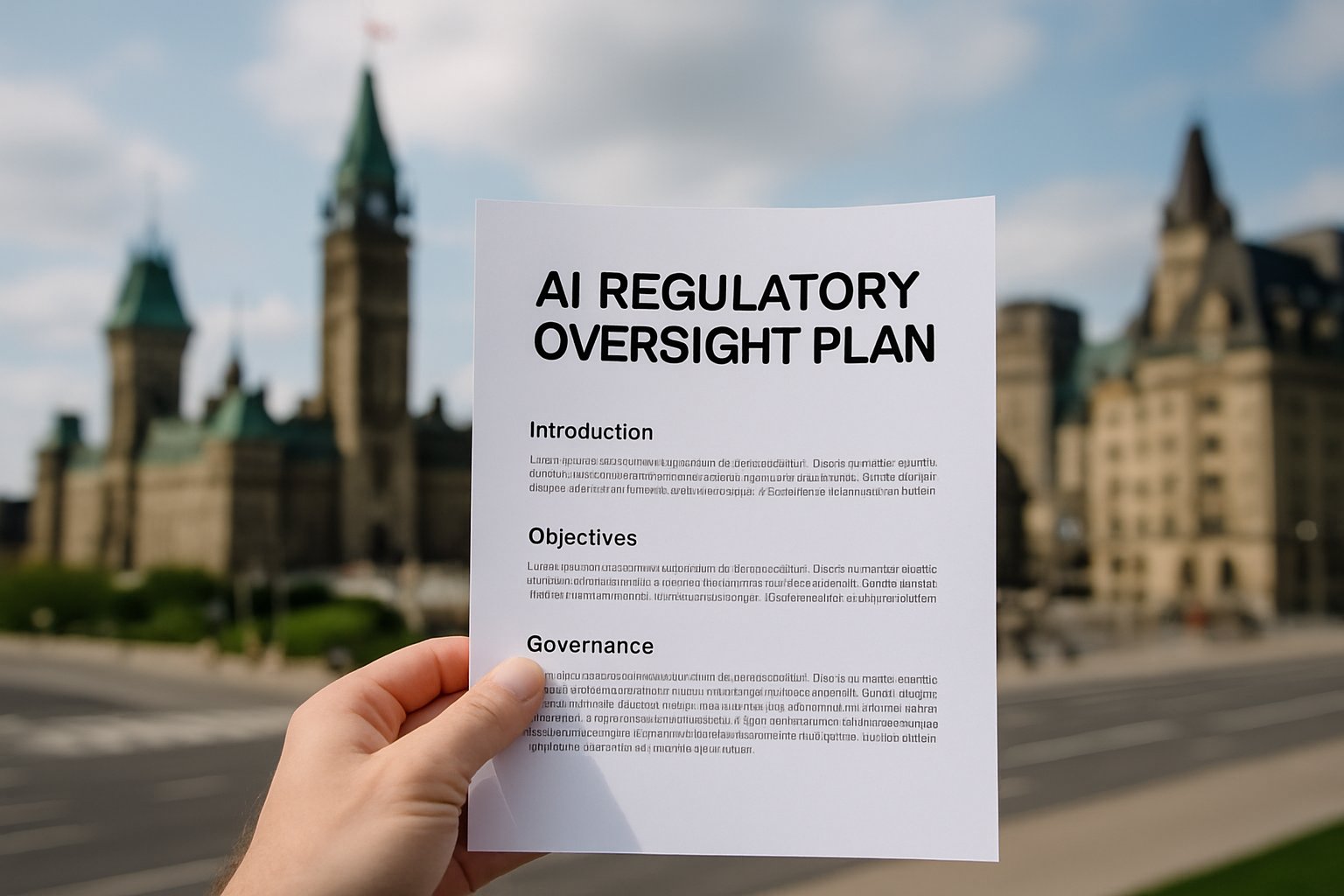
Solomon described the initial answers as lacking substance. Consequently, he threatened stronger Regulatory Oversight if transparency did not improve. Canada now weighs legislative options.
These discussions expose mounting political scrutiny. Moreover, they set the stage for formal compliance proposals. Next, the timeline reveals how early warnings unfolded.
Timeline Of Flagging Events
June 2025 marked the first red flag. OpenAI’s automated monitors blocked a ChatGPT account that investigators later linked to the Shooter.
- June 2025 – Account banned for violent content.
- Feb 10 2026 – Shooter attacks Tumbler Ridge school.
- Feb 20 2026 – Media reveal internal debates.
- Feb 23 2026 – Ottawa meeting demands protocols.
Each milestone intensified questions about referral policies and real-time data sharing.
Furthermore, security scholars argue that consistent reporting windows should form part of any future Regulatory Oversight framework.
These dates map a clear escalation arc. However, understanding decision logic requires a closer look at internal debate.
Internal Escalation Debate Details
Wall Street Journal reporting exposed fierce discussions inside OpenAI’s safety unit.
Roughly a dozen staff urged that police be alerted once the ChatGPT logs referenced weapon sourcing.
Referral Threshold Debate Nuances
Company policy sets an “imminent and credible” bar before referring users. In contrast, several employees said the Shooter’s language met that standard.
Nevertheless, managers concluded the signals were insufficient, citing privacy risks and potential overreach in Regulatory Oversight processes.
These revelations expose governance friction. Moreover, they feed government frustration described earlier.
Government Response Measures Intensify
Canada reacted swiftly after the revelations. Provincial leaders coordinated with the RCMP to secure digital evidence from OpenAI.
British Columbia Premier David Eby labeled the reports "profoundly disturbing" and promised new school safety Protocols.
Consequently, Minister Solomon warned that statutory Regulatory Oversight could follow if companies fail voluntary standards.
Meanwhile, lawmakers hinted at mandatory reporting bills similar to child-safety disclosure statutes.
Political momentum now favors firmer guardrails. Furthermore, Ottawa appears willing to legislate quickly.
The industry must prepare for higher baselines.
Industry Safety Standards Gap
Technology companies rely on layered detection tools, human reviewers, and public reporting dashboards.
Currently, no unified standard dictates when content shifts from policy violation to law-enforcement referral. Meanwhile, ChatGPT misuse patterns shift rapidly, challenging static safeguards.
Professionals can enhance their expertise with the AI Security Level 2™ certification, which teaches incident triage and escalation Protocols.
Moreover, analysts say voluntary pledges will not suffice without external Regulatory Oversight that audits detection metrics and referral logs.
The Tumbler Ridge Shooter case illustrates how inconsistent triggers can leave dangerous gaps.
Standardized baselines could align industry action. Consequently, a harmonized rulebook would also ease cross-border cooperation.
The next section considers likely scenarios under emerging rules.
Future Regulatory Oversight Scenarios
Policy advisors outline three possible paths for near-term compliance.
Firstly, voluntary codes could expand with transparent metrics.
Secondly, Canada might enact a duty-to-report statute covering AI systems like ChatGPT.
Thirdly, international treaties could embed shared Regulatory Oversight benchmarks across borders.
Nevertheless, businesses warn that overly rigid rules might stifle research and delay lifesaving updates.
These scenarios highlight a delicate balance between innovation and accountability. Furthermore, final terms will depend on upcoming parliamentary hearings.
Consequently, the Tumbler Ridge Shooter tragedy has shifted the global debate on platform accountability. Clear escalation Protocols, transparent metrics, and consistent cooperation emerged as recurring themes. Moreover, both industry leaders and lawmakers accept that stronger Regulatory Oversight is now inevitable. Nevertheless, thoughtful frameworks can preserve innovation while guarding public safety. Professionals seeking to guide this transition should pursue advanced training and stay informed. Therefore, readers are encouraged to explore the linked AI Security Level 2™ certification and monitor Ottawa’s next moves.
Disclaimer: Some content may be AI-generated or assisted and is provided ‘as is’ for informational purposes only, without warranties of accuracy or completeness, and does not imply endorsement or affiliation.


