

AI CERTS
3 months ago
Waymo’s Ten-City Leap Accelerates Autonomous Driving Growth
The milestone signals a new phase where scale, not proof, dominates strategic debates. Moreover, fresh funding equips the operator to expand fleets and infrastructure rapidly. However, safety investigations cast a long shadow over public acceptance. This article dissects the expansion, finances, regulatory hurdles, and market implications for the Autonomous Driving ecosystem.
Waymo Adds New Cities
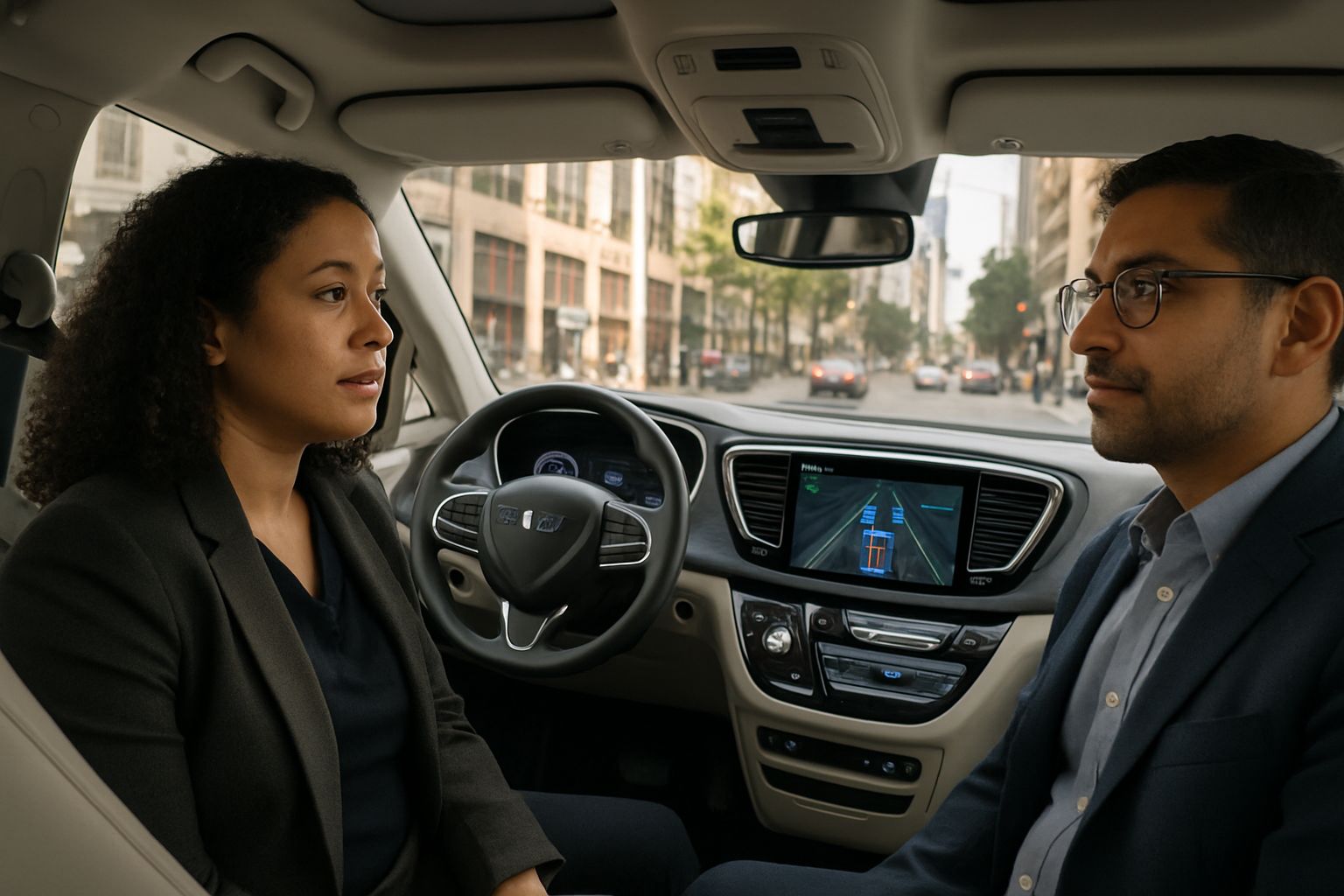
On 24 February 2026, the service quietly appeared in app maps for selected riders across the four new zones. Consequently, active territories now span Phoenix, San Francisco, Los Angeles, Austin, Miami, Atlanta, plus the latest additions. Each market runs Level-4 Autonomous Driving within tightly geofenced operational design domains. Furthermore, many first customers reported smooth Robotaxi rides across dense downtown blocks and suburban arterials. Waymo executives called the move “laying the groundwork” for an eventual global footprint.
Ten cities mark impressive reach.
However, true scale still awaits.
The financial muscle behind that reach now comes into focus.
Funding Fuels Rapid Expansion
Waymo secured funding momentum on 2 February when investors placed a $16 billion bet on commercial scaling. Moreover, the round valued the venture at roughly $126 billion, signaling confidence in profitable unit economics. Backers include Dragoneer, DST Global, Sequoia, and Mubadala, while Alphabet retained majority control. Therefore, capital now fuels larger fleets, maintenance depots, and research to push Autonomous Driving beyond current urban limits.
- Fleet size: about 3,000 Robotaxi vehicles nationwide
- Weekly rides: over 400,000 paid trips before the latest expansion
- Miles logged: more than 200 million autonomous miles
Consequently, management plans to double weekly rides before December.
Fresh capital accelerates ambitious expansion.
Nevertheless, investors will demand disciplined spending.
Heightened scrutiny from regulators now shapes execution.
Safety Scrutiny Intensifies Nationwide
Safety agencies reacted swiftly after a January incident where a vehicle struck a child near a Santa Monica school. In contrast, investigators noted the system braked from 17 mph to 6 mph before impact. NHTSA opened a preliminary evaluation, while NTSB studied repeated school-bus pass-bys documented in Austin, Texas. Consequently, public debate questions whether Autonomous Driving outperforms distracted human drivers in complex school zones. Florida officials, overseeing Orlando operations, requested detailed safety case documentation before widening access. Waymo stated it will fully cooperate and publish aggregated safety metrics quarterly. Nevertheless, critics argue that isolated incidents can erode fragile community trust.
Regulatory pressure remains intense.
However, transparent data may ease fears.
Understanding competitor positioning clarifies how the wider market could react.
Market Impact And Competition
Analysts view the ten-city footprint as a blow to rivals pursuing scaled Robotaxi networks. Meanwhile, Tesla promises a dedicated Robotaxi vehicle, yet delivers only Level-2 driver assistance today. Zoox, Wayve, and legacy automakers pursue partnerships, but none match current ride volume. Moreover, sustained Autonomous Driving data collection grants a strategic moat through high-resolution perception and prediction logs. Expansion momentum could translate into advantageous supplier contracts and improved per-mile economics. Tourism hubs in Florida and energy capitals in Texas offer lucrative early adopter demographics.
Competitive pressure will intensify.
Consequently, fast movers may lock in market share.
Operational realities, however, can still slow deployment.
Operational Hurdles Still Remain
Scaling hardware remains difficult despite generous investment. Additionally, each Autonomous Driving vehicle demands routine cleaning, charging, and remote supervision infrastructure. Maintenance depots in Texas cities face zoning, labor, and power-grid challenges. Meanwhile, unpredictable hurricane seasons in Florida raise fleet rebalancing concerns. Operational leaders concede that public rollout will proceed through invite-only phases until metrics meet internal checkpoints.
- High sensor replacement costs
- Limited charging network availability
- Complex municipal permitting processes
Nevertheless, management predicts cost per mile will drop with higher utilization.
Operational drag threatens timelines.
However, systematic planning can mitigate friction.
Strategic foresight therefore becomes critical for 2026 objectives.
Future Outlook And Strategy
Executives target more than twenty service areas by late 2026, including possible launches abroad. Moreover, leadership forecasts one million weekly Robotaxi rides before year-end. Therefore, sustained Autonomous Driving progress could influence traffic planning, insurance models, and vehicle design norms. Investors expect margin improvement as software reach amortizes capital expenditure. Professionals can enhance their expertise with the AI Data Robotics™ certification. Consequently, up-skilled teams will shape policy, logistics, and engineering standards.
Ambitious targets demand skilled talent.
Nevertheless, measured execution will decide success.
Autonomous Driving now reaches ten distinct metros, bringing novel mobility options to millions. However, regulatory inquiries remind stakeholders that technical prowess alone will not secure acceptance. Funding strength, competitive urgency, and measured city rollouts will drive momentum through 2026. Consequently, operators must balance aggressive expansion with transparent safety governance. Professionals who master data, robotics, and policy can shape the next wave of Autonomous Driving breakthroughs. Explore the certification above and stay informed to influence this transformational sector.
Disclaimer: Some content may be AI-generated or assisted and is provided ‘as is’ for informational purposes only, without warranties of accuracy or completeness, and does not imply endorsement or affiliation.


