

AI CERTs
3 hours ago
Election Deepfake Crisis Reshaping Global Campaigns
Campaign season now faces a new technological reckoning. Deep learning can clone speech and faces with startling fidelity. Consequently, voters worldwide encounter synthetic messages that resemble trusted leaders. This sudden realism fuels the Election Deepfake Crisis across democracies. Moreover, analysts warn that malicious operators exploit cheap generative tools to distort public debate. However, legitimate campaigns also experiment with automated outreach for efficiency and language access. In contrast, regulators struggle to balance free expression with electoral integrity. Detection science lags behind, and ordinary listeners fail many authenticity tests. Meanwhile, public concern keeps rising, pressuring lawmakers and platforms into rapid action. This article maps the technical, legal, and strategic landscape shaping coming contests. It draws from peer-reviewed studies, enforcement records, and firsthand campaign data compiled since 2023. Finally, it offers concrete steps for professionals guarding against synthetic election manipulation.
Deepfake Tools Rapid Proliferation
Generative AI costs keep plummeting, widening access to advanced voice-cloning platforms. Furthermore, start-ups like ElevenLabs and Resemble deliver consumer dashboards that synthesize convincing speech from minutes of audio. Such ease accelerates adoption within Political campaigning worldwide.
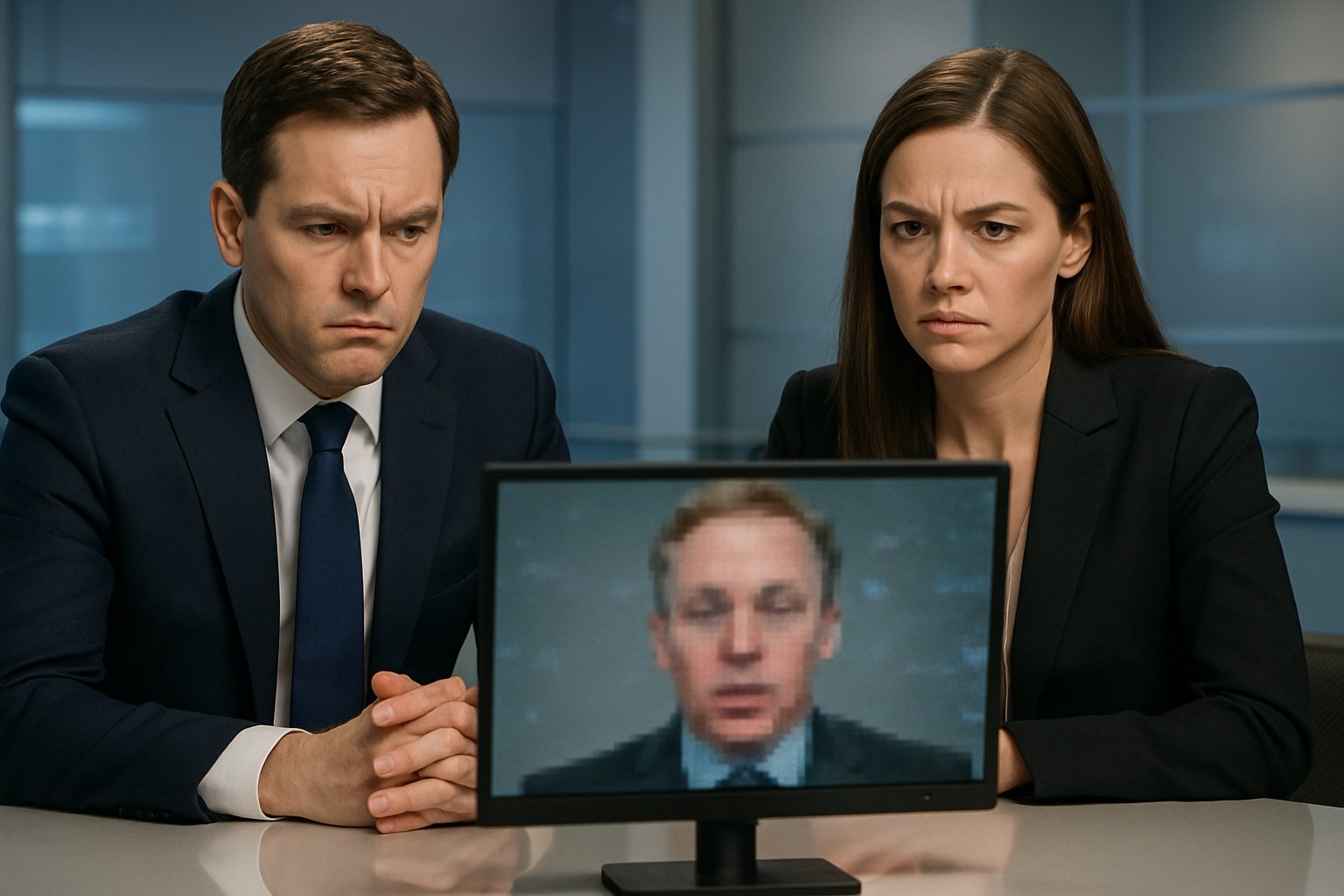
Consequently, the Election Deepfake Crisis escalates as bad actors weaponize turnkey models. Meanwhile, some consultants tout ethical uses, claiming that cloned narrators improve accessibility for voters with hearing impairments. Start-ups even market respectful recreations of deceased voices for nostalgia adverts. Nevertheless, expert surveys show citizens still link the technology with misinformation risk.
India’s 2024 national race illustrated scale. Vendors generated over 50 million personalized calls in diverse languages within weeks. In contrast, U.S. vendors remain cautious after harsh penalties for deceptive robocalls. As a result, policymakers label this surge an Election Deepfake Crisis threatening core democratic processes.
These trends reveal explosive availability and uneven oversight. However, incidents show how volume converts into concrete threats, detailed next.
Notable Election Year Incidents
Researchers have logged several landmark cases since early 2024. Moreover, enforcement records now illustrate both scale and consequences.
- New Hampshire robocalls mimicked President Biden, attempting turnout suppression; fines reached $7 million combined.
- Indian parties commissioned 50 million AI calls, reframing Political campaigning as data-driven outreach.
- California and Minnesota enacted deepfake laws, sparking First Amendment lawsuits from platforms.
- EU regulators drafted provenance requirements for synthetic election ads, under negotiation.
Consequently, the Election Deepfake Crisis moved from hypothetical fear to documented action. For many observers, each case compounds the Election Deepfake Crisis narrative. Nevertheless, not all uses are malicious; deceased voices revived for memorial campaign spots created public debate.
These incidents underline real-world impact and diverse motives. Therefore, attention now shifts to whether voters or machines can spot fakery.
Detection Remains Critically Limited
Peer-reviewed experiments expose stark detection gaps. Participants misidentified cloned voices in 60% of trials and trusted fakes 80% of time. Furthermore, automated classifiers can be evaded by minor audio alterations.
Researchers warn that trust erosion could amplify misinformation at sensitive campaign moments. In contrast, watermark proposals require universal adoption, which remains unlikely before 2026.
Further, cloned deceased voices complicate provenance because no living speaker can verify content. Because of these technical limits, the Election Deepfake Crisis cannot be solved by listeners alone.
Current detection approaches miss many sophisticated spoofs. Consequently, lawmakers and courts have stepped in, creating fresh policy tension.
Legal And Policy Friction
The FCC declared in February 2024 that AI voices equal prerecorded robocalls under TCPA. Subsequently, regulators proposed multimillion-dollar fines against the Biden spoof architect.
State laws attempt tighter election windows but face constitutional challenges from X and advocacy groups. Meanwhile, free-speech lawyers argue that satire and legitimate Political campaigning deserve latitude.
Therefore, the Election Deepfake Crisis sits at the crossroads of integrity and expression.
Courts will define permissible boundaries in coming cycles. Nevertheless, industry policies are evolving in parallel.
Industry Mitigation And Guardrails
Platforms such as ElevenLabs ban unauthorized clones of major figures using 'no-go voices' lists. Additionally, YouTube now requires creators to label realistic synthetic content.
OpenAI withheld a powerful vocal model, citing Election Deepfake Crisis hazards. Consequently, voluntary restraint emerges as a partial safeguard.
Vendors also embed hidden watermarks although attackers may strip them.
- Provenance metadata signed at creation
- Automated detectors with human review
- Clear disclaimers on Political campaigning assets
- Swift takedown routes for misinformation clips
These guardrails reduce risk yet cannot guarantee authenticity.
Industry self-regulation buys time for more robust standards. Next, professionals should build internal defenses and skills.
Strategic Steps For Professionals
Campaign managers, lawyers, and security leads need proactive playbooks. Firstly, create rapid verification channels with known spokespeople and press contacts.
Secondly, map platform policies and local statutes well before voting starts. Moreover, maintain media literacy drills that highlight common misinformation tropes.
Additionally, professionals can validate skills via the AI Writer™ certification.
Consequently, teams become resilient when the next Election Deepfake Crisis attempt emerges.
Prepared organizations detect threats faster and respond credibly. Finally, they support voters by prioritizing truthful communication.
Conclusion And Outlook
Generative media will keep testing electoral systems. Nevertheless, cross-disciplinary countermeasures are maturing. Regulators impose fines, platforms add labels, and researchers refine detectors. Moreover, public awareness rises alongside survey data showing sustained concern. The Election Deepfake Crisis remains fluid, demanding vigilance from every stakeholder. Consequently, combining technical safeguards, transparent Political campaigning, and clear legal norms becomes essential. Therefore, professionals should act now, embracing continuous training and collaborative defenses. Explore certifications, update protocols, and keep democracy resilient.


