

AI CERTs
3 months ago
Deepfake Takedowns: Censorship via AI or Vital Protection?
Deepfake scandals have moved from viral curiosities to urgent policy headaches. Consequently, lawmakers worldwide now chase rapid solutions. The newest measures target non-consensual intimate imagery generated by algorithms. However, many observers fear hidden Censorship via AI will follow. This article unpacks the debate, legal duties, technical hurdles, and global timelines. Meanwhile, we examine the 48-hour takedown model and its critics who demand free speech protections. Platforms also face a tight Three-hour window in India IT rules that mirror US pressure. Moreover, detection tools still misfire outside lab conditions, complicating compliance. The stakes include victim safety, industry liability, and democratic trust. Therefore, strategic choices made during 2026 will shape the next decade of online expression.
Why Deepfakes Rapidly Escalate
Industry monitors like Sensity report annual deepfake volumes doubling since 2024. Additionally, adversaries exploit generative models for sexual abuse, fraud, and political chaos. Human moderators miss many samples because quality now fools the untrained eye. Consequently, officials argue that Censorship via AI is unavoidable to stem cascading harms.
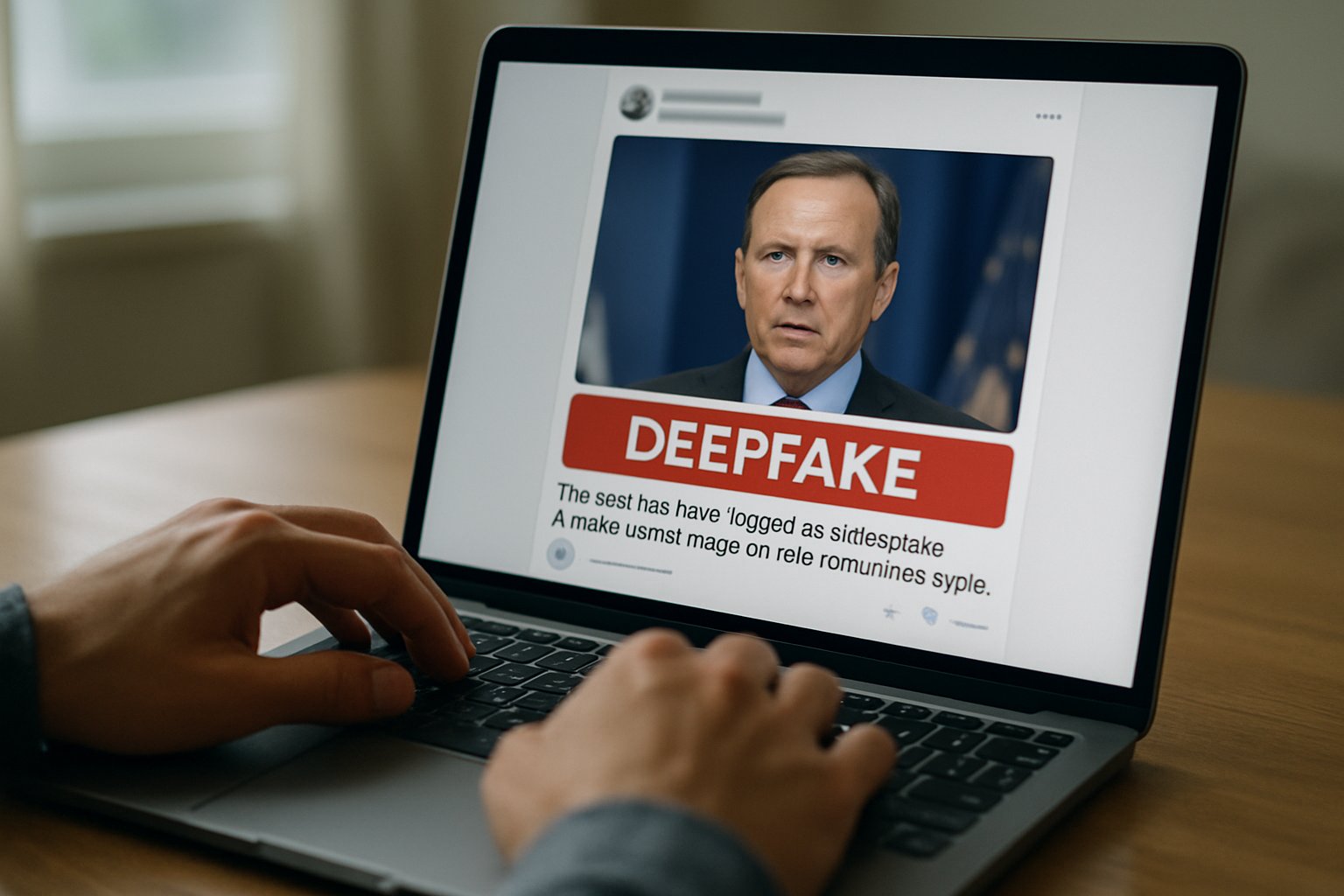
- 90% accuracy on benchmarks, yet real-world false positives stay above 20%.
- Sensity logged 1.8 million explicit deepfakes in 2025 alone.
- Market forecasts expect detection spending to reach $4.3 billion by 2028.
These numbers confirm exponential growth. However, adoption of protective rules remains fractured across regions. Nevertheless, governments have started hard coding deadlines.
Global Laws Tighten Quickly
Washington led with the TAKE IT DOWN Act signed on 19 May 2025. Therefore, covered platforms must remove flagged content within 48 hours and seek duplicates. In contrast, new UK proposals replicate that deadline but threaten larger fines through Ofcom. Meanwhile, the European Union pairs takedown rules with provenance codes under its AI Act.
India IT ministry tests a Three-hour window for child safety content. Moreover, officials hint the limit could extend to deepfake removals soon. Critics warn cascading mandates risk global Censorship via AI without harmonised appeal rights.
Legal momentum now feels unstoppable. Consequently, industry must adapt before enforcement begins. Operational readiness comes next.
Industry Faces Operational Strain
Large platforms employ expansive trust teams, yet smaller services lack that luxury. Furthermore, the 48-hour clock forces heavier reliance on automated filters. Accuracy remains brittle. Moreover, detection vendors admit adversarial evasion defeats many commercially deployed models.
Speed demands clash with due process because appeals cannot finish within two days. Consequently, some analysts predict defensive over-removal that chills free speech online.
Professionals can enhance their expertise with the AI+ UX Designer™ certification. Training equips teams to distinguish safety features from outright Censorship via AI in product design. Without clear metrics, product managers may label borderline satire, triggering unintended Censorship via AI outcomes.
Operational gaps threaten compliance and trust. Nevertheless, civil society now raises sharper objections.
Civil Liberties Groups Pushback
Electronic Frontier Foundation labels the U.S. law a flawed attempt that will lead to overreach. Additionally, CDT flags missing anti-abuse penalties that invite malicious takedown requests. Advocates insist any regime must protect encryption, transparency, and robust free speech appeals.
They argue that headline timelines like the Three-hour window in India IT debates are impossible without scanning private messages. Moreover, such scanning would multiply Censorship via AI across encrypted ecosystems. Lawmakers defend the law by citing urgent victim harms and the safe-harbor for good-faith removals.
Tension between safety and liberty persists. Therefore, technical solutions gain renewed attention.
Detection Tech Still Fragile
Academic challenges like DFDC show 90% accuracy under controlled lighting. In contrast, field studies reveal accuracy collapses when videos are compressed or cropped. Additionally, watermarking can vanish when adversaries re-encode the file. Consequently, platforms must layer provenance, hashing, and human review.
Sensity urges cross-platform cooperation to track duplicates after removal. However, the workload explodes once the Three-hour window idea becomes global expectation. Civil groups warn false positives will silence investigative journalists and stifle free speech further. Platforms will likely face lawsuits questioning whether accidental Censorship via AI breached constitutional protections. Failing detectors might prompt blanket Censorship via AI filters that delete benign parodies.
Detection remains necessary yet unreliable. Subsequently, cross-border regulation adds fresh complexity.
Cross Border Compliance Maze
Content circulates instantly, yet takedown obligations differ across jurisdictions. Therefore, a video lawful in Berlin might vanish in Dallas within minutes. Moreover, safe-harbor definitions, penalty sizes, and clock durations vary. India IT authorities consider biometric verification mandates alongside the Three-hour window. Meanwhile, EU rules link watermarking to CE markings, complicating US exporter workflows. Businesses fear duplicated moderation teams, overlapping audits, and inconsistent Censorship via AI thresholds.
- Differing definition of 'digital forgery' across regions.
- Conflicting record-keeping periods for removed content.
- Unclear extradition paths for repeat offenders.
Jurisdictional fragmentation magnifies compliance costs. Consequently, observers track forthcoming FTC guidance.
Next Steps And CTA
The coming 18 months will reveal whether lawmakers can balance victim relief with free speech protections. Platforms must finalise workflows, test detectors in the wild, and publish transparent appeal numbers. Moreover, regulators should clarify what constitutes reasonable efforts under tight clocks, including any future Three-hour window expansions. Civil groups prepare litigation that challenges Censorship via AI on constitutional grounds. Therefore, professionals in product, policy, and design roles need verified skills. They can future-proof careers through the AI+ UX Designer™ path and related credentials. Ultimately, strategic collaboration remains the only route to safer platforms and resilient expression.
Disclaimer: Some content may be AI-generated or assisted and is provided ‘as is’ for informational purposes only, without warranties of accuracy or completeness, and does not imply endorsement or affiliation.


