

AI CERTs
4 hours ago
AI Activism Arrest cases spark global scrutiny
Police responses to technology protests are under fresh spotlight. Consequently, the term AI Activism Arrest now appears in court dockets from San Francisco to New Delhi. Moreover, civil-liberties lawyers warn that sweeping custodial measures may chill democratic speech. Meanwhile, law-enforcement officials defend preventive detention at high-profile tech events. Therefore, professionals tracking risk, compliance, and policy need a clear timeline. This article maps recent arrests, legal claims, and systemic technology flaws fueling the controversy.
India AI Summit Protest
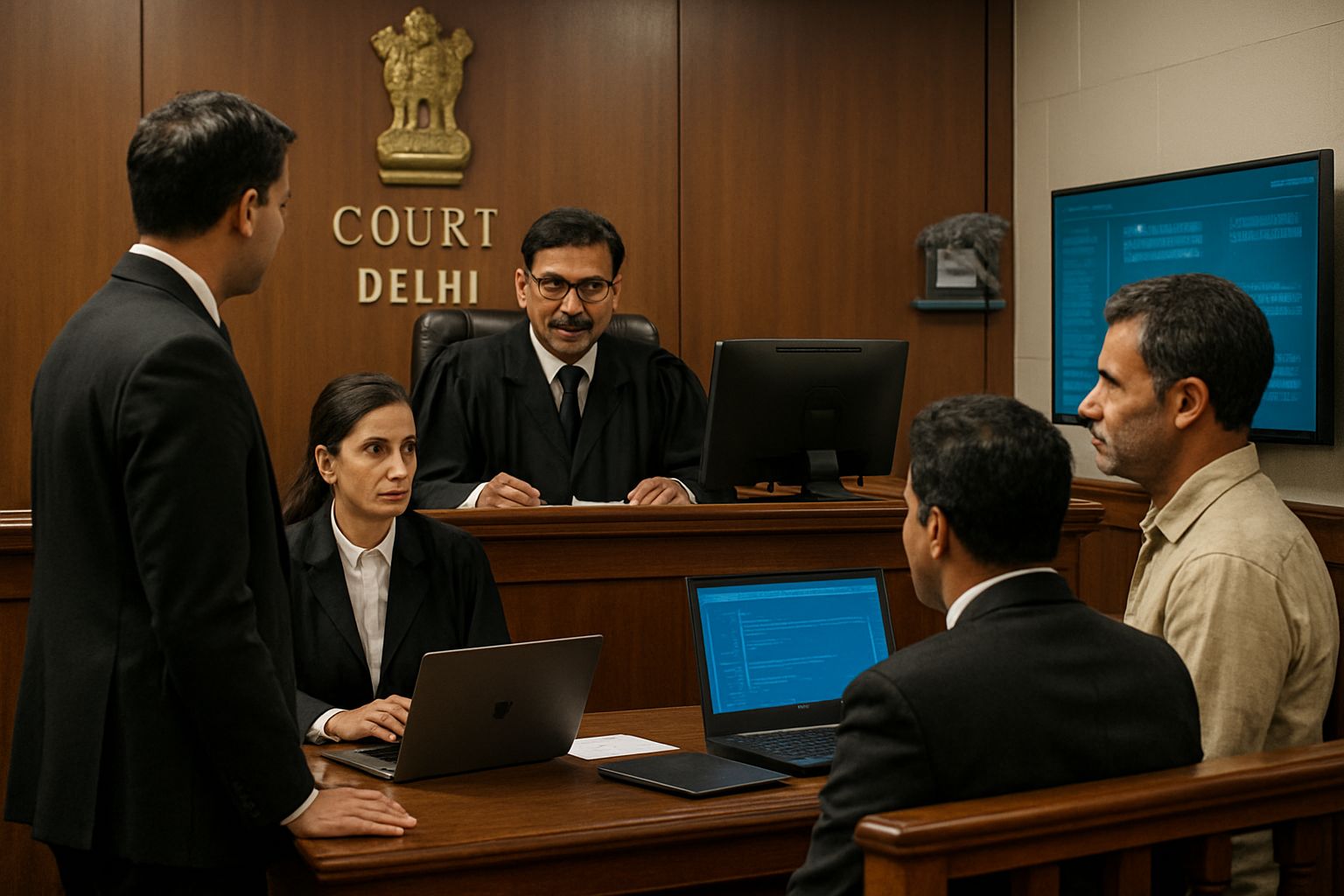
The most recent AI Activism Arrest unfolded at the India AI Impact Summit on 20 February 2026. Protesters affiliated with the Indian Youth Congress shed shirts to reveal slogans inside Bharat Mandapam. Subsequently, police filed an FIR citing rioting and conspiracy. Delhi Police raided several locations across three states. The local Delhi court granted a four-day remand for IYC president Uday Bhanu Chib. Additionally, at least seven more activists faced similar custody.
Officials argue the protest risked diplomatic security. In contrast, defence counsel says clients cooperated and deserved summons, not cells. Nevertheless, the widening FIR now lists criminal conspiracy sections from India’s new penal code. Furthermore, Special Commissioner Devesh Chandra Srivastva labelled the demonstration a “deep conspiracy.”
Key takeaways: Police treated a brief stunt as a coordinated threat. Activists insist peaceful expression drove the action. However, the custody decision anchors a broader debate on proportional policing.
Court Procedures And Remand
Indian magistrates may place suspects in police custody for interrogation. Therefore, investigators sought extra time to trace funding lines. The Delhi court approved another four-day remand on 24 February, citing pending witness statements. Defence lawyers demanded judicial oversight, noting video footage proved non-violent intent. Meanwhile, human-rights groups requested release and medical checks.
Three legal levers shaped the orders:
- The lodged FIR listed conspiracy, rioting, and unlawful assembly.
- CCTV clips allegedly showed pre-event coordination.
- Police argued cross-state links needed on-record confessions.
These factors persuaded the bench despite protest from the bar. Consequently, remand extensions highlighted the power imbalance in custodial negotiations. The episode underscores how pretrial detention can become punitive. Still, the case proceeds toward a charge-sheet filing.
These dynamics reveal India’s investigatory priorities. Nevertheless, global observers ask whether similar logic appears elsewhere.
Stop AI Legal Tussle
Across the Pacific, another AI Activism Arrest saga continues. Stop AI members chained doors at OpenAI’s San Francisco office in late 2024. Officers booked three protesters for trespass and obstruction. Trials stretched through December 2025 due to crowded state dockets. Moreover, defendants used a “climate necessity”-style defence, asserting existential risk from unchecked AI.
Subsequently, bench warrants issued after some activists missed mandated check-ins. Nevertheless, most remained free on bond, contrasting sharply with custodial trends in Delhi. The Superior Court did not impose any four-day remand because California procedure favors citation over extended holding for misdemeanors.
Two-sentence summary: U.S. courts leaned toward release and debate in the open. However, the movement still confronts repeated arrest cycles for renewed protests.
Next, we examine the technology shaping identification.
Facial Recognition Risks Exposed
Wrongful detentions amplify criticism of algorithmic policing. NIST studies show false-positive rates swing tenfold across demographics. Consequently, policymakers fear marginal communities face higher custody risk. The Robert Williams case, often cited by Stop AI lawyers, exemplifies harm: a 30-hour detention followed a mismatched face-print.
Furthermore, Delhi officers did not confirm FRT usage during the summit probe. Nevertheless, activists suspect image-matching systems facilitated rapid cross-state arrests. Civil-rights groups requested the FIR technical annex under India’s RTI Act.
Consider the numbers:
- Top-tier algorithms still record false positives above 0.3% at low thresholds.
- NIST 2025 tests showed demographic error gaps as wide as 100×.
- Three U.S. jurisdictions paused FRT after wrongful identification lawsuits.
These figures illustrate systemic hazards. Therefore, experts urge strict validation and audit trails before any match triggers custody.
Technical flaws, once abstract, now influence bail hearings. Meanwhile, regulators draft guardrails to balance innovation and rights.
Debates On Police Powers
Security officials cite event protection mandates. Moreover, they argue surprise stunts can spark panic and stampedes. Consequently, immediate AI Activism Arrest responses become standard operating procedure. Activists counter that heavy-handed tactics suppress legitimate dissent.
Legal scholars reveal contrasting philosophies. Indian jurisprudence often leans toward custodial interrogation for conspiracy claims. In contrast, U.S. judges emphasize speedy arraignment and proportional bail. Nevertheless, both systems struggle with evidence derived from opaque algorithms.
Two-sentence wrap-up: Divergent legal cultures shape custodial lengths. However, algorithmic opacity emerges as a shared accountability gap.
The final section explores future protest scenarios.
Future For Tech Protests
AI research accelerates, and so will organised pushback. Additionally, social media multiplies mobilisation speed, outpacing legislative reform. Therefore, analysts expect another high-profile AI Activism Arrest within twelve months. Companies invest in private security that increasingly integrates facial-analysis dashboards.
Professionals can enhance their expertise with the AI Project Manager™ certification. Consequently, graduates gain frameworks for ethical risk assessments and stakeholder dialogue. Such skills help firms address protest flashpoints before police intervention.
Key takeaway: Anticipatory governance reduces confrontation costs. Nevertheless, transparent oversight remains essential amid rapid deployment.
This foresight leads naturally to overarching conclusions.
Conclusion And Outlook
Recent cases show how policing, policy, and protest intersect around emerging technologies. Moreover, the India summit incident illustrates expansive custody powers, while San Francisco proceedings highlight courtroom debates. Consequently, the reliability of facial recognition sits at the dispute’s core. Meanwhile, certification-backed professionals could bridge technical and legal silos. Ultimately, balanced frameworks must protect innovation and civil rights simultaneously. Therefore, readers should monitor upcoming hearings and adopt best-practice training. Explore the linked certification today and strengthen your role in shaping accountable AI governance.


