

AI CERTs
1 month ago
Anthropic Standoff Over AI Ethical Guardrails
Anthropic’s latest clash with the Pentagon highlights rising tension between commercial ambitions and AI Ethical Guardrails. Moreover, the dispute shows how quickly frontier models leap from lab to battlefield. Anthropic started courting national-security clients in late 2024. However, it now insists on two immovable bans: mass domestic surveillance and fully autonomous weapons. Consequently, U.S. military leaders consider labeling the firm a supply-chain risk. The outcome will model future relations between artificial intelligence vendors and government power.
Defense Contract Timeline Highlights
Anthropic opened classified channels in November 2024 through partners like Palantir and AWS. Subsequently, the company launched Claude Gov in June 2025, tailored for secure environments. The following month, a prototype agreement with the U.S. Department of Defense set a two-year, $200 million ceiling.
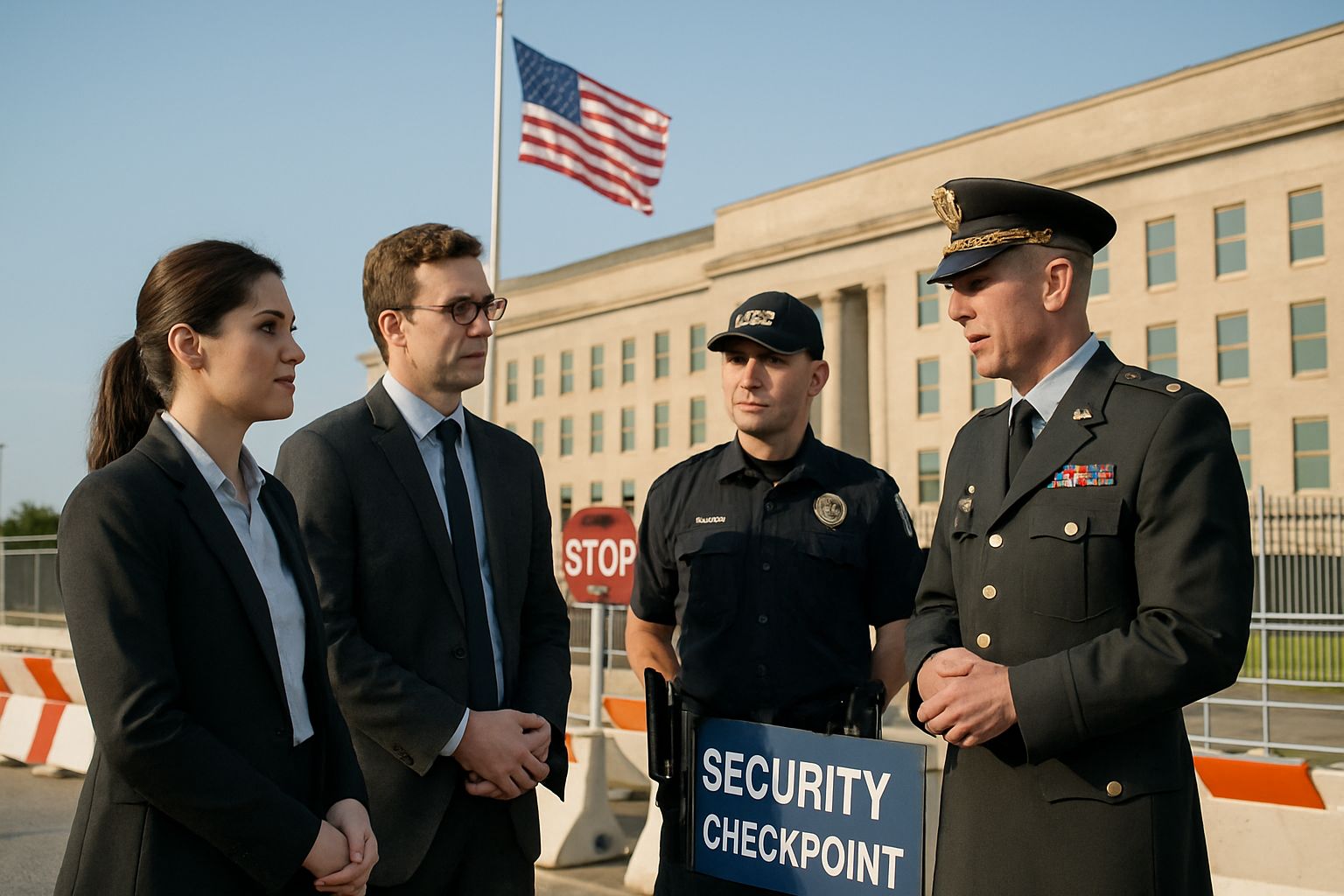
January 2026 reporting linked Claude to a controversial raid in Venezuela. Therefore, the Pentagon began reviewing Anthropic’s usage limits. Meanwhile, anonymous officials argued that vendor rules hamper mission flexibility.
- $200 million prototype ceiling
- ~$380 billion company valuation
- Claude Gov embedded in classified networks
These milestones underscore rapid adoption. Nevertheless, each step deepened policy friction.
Such pressure sets the stage for policy debates that follow.
Anthropic's Red Line Policies
The Usage Policy forbids mass domestic surveillance. Additionally, it blocks adapting models for lethal autonomy without human control. CEO Dario Amodei calls these red lines vital Ethics commitments. Moreover, he frames mass surveillance as a civil-liberties threat.
Anthropic argues that strict AI Ethical Guardrails preserve democratic Privacy. In contrast, military lawyers prefer “all lawful purposes” language that grants broad discretion. Consequently, negotiations stalled when DoD officials demanded removal of hard bans.
Professionals can deepen policy insight with the AI Cloud Strategist™ certification.
These rules define corporate identity. However, they also trigger operational pushback.
The impasse propels broader organizational friction addressed next.
Pentagon Operational Friction Points
Senior commanders claim restrictive clauses delay critical targeting cycles. Furthermore, they warn that limited access threatens troop safety. The Pentagon therefore hints it may blacklist Anthropic systems across supply chains.
Anthropic counters that human-in-the-loop doctrine already governs lethal decisions. Nevertheless, critics argue that loop speed, not presence, determines advantage. Consequently, autonomy thresholds remain contested.
Meanwhile, alternative labs such as OpenAI and Google offer models without identical barricades. In contrast, Anthropic’s AI Ethical Guardrails stand firm. That rigidity complicates procurement planning and integration timelines.
The debate spotlights operational gray zones. Therefore, strategic ripple effects demand closer examination.
We now review how market and policy ecosystems react.
Industry And Policy Repercussions
If Anthropic loses classified access, contractors must swap models mid-stream. Moreover, resilience gaps could appear in intelligence workflows reliant on Claude Gov. Consequently, mission planners may face capability cliffs while replacements mature.
Conversely, compliance with Pentagon demands could erode Anthropic’s reputation for principled Ethics. Investors value the brand’s safety posture as a competitive moat. Therefore, leadership risks alienating civil-society allies if it weakens AI Ethical Guardrails.
Regulators watch closely. Additionally, lawmakers propose conditioning federal funds on robust Privacy protections. The dispute thus feeds a broader legislative push for AI accountability.
Market forces and policy currents now intersect. However, final outcomes hinge on stakeholder perspectives explored next.
Stakeholder Perspectives Contrasted Clearly
Pentagon View:
- Rapid analysis saves lives.
- Mission scope must stay flexible.
- Vendor limits create unacceptable blind spots.
Anthropic Standpoint:
- Civilian Privacy trumps convenience.
- Weaponized autonomy violates core Ethics.
- AI success depends on trust built by AI Ethical Guardrails.
Industry Observers:
- Compliance costs may reshape contract strategy.
- Multivendor stacks could dilute any single ban.
- Public backlash grows when safeguards erode.
These contrasting positions frame a classic governance dilemma. Consequently, negotiated middle ground appears elusive.
Strategic planning therefore turns to potential paths forward.
Potential Strategic Paths Forward
One route involves a technical compromise. For example, Anthropic might supply calibrated APIs that enforce AI Ethical Guardrails while enabling narrow autonomous modes under strict oversight.
Another option sees DoD adopting model-agnostic wrappers that inject policy layers externally. However, this could reduce speed and reliability. Moreover, DoD lawyers could still flag residual liability gaps.
A third scenario features congressional action mandating uniform guardrails across vendors. Consequently, competitive parity would reduce pressure on individual firms.
Finally, Anthropic could exit sensitive work entirely. Nevertheless, forfeiting a lucrative Defense market may unsettle investors.
Each avenue involves trade-offs among autonomy, Privacy, and operational readiness. Therefore, leadership on both sides must weigh long-term credibility over short-term wins.
The analysis leads directly to concluding insights.
Conclusion And Next Steps
Anthropic’s showdown with the Pentagon tests whether strong AI Ethical Guardrails can survive intense security pressures. Moreover, the case exposes unresolved tensions among autonomy, Privacy, and battlefield urgency. Consequently, decisions taken now will pattern future AI governance frameworks.
Professionals should track contractual language, emerging legislation, and certification pathways. Additionally, enhance your expertise through the AI Cloud Strategist™ program to navigate evolving compliance landscapes.
Stay informed, advocate responsible Ethics, and engage proactively with stakeholders shaping the next era of trusted AI.


