

AI CERTs
1 month ago
US Agencies Face AI Autonomous Warfare Backlash
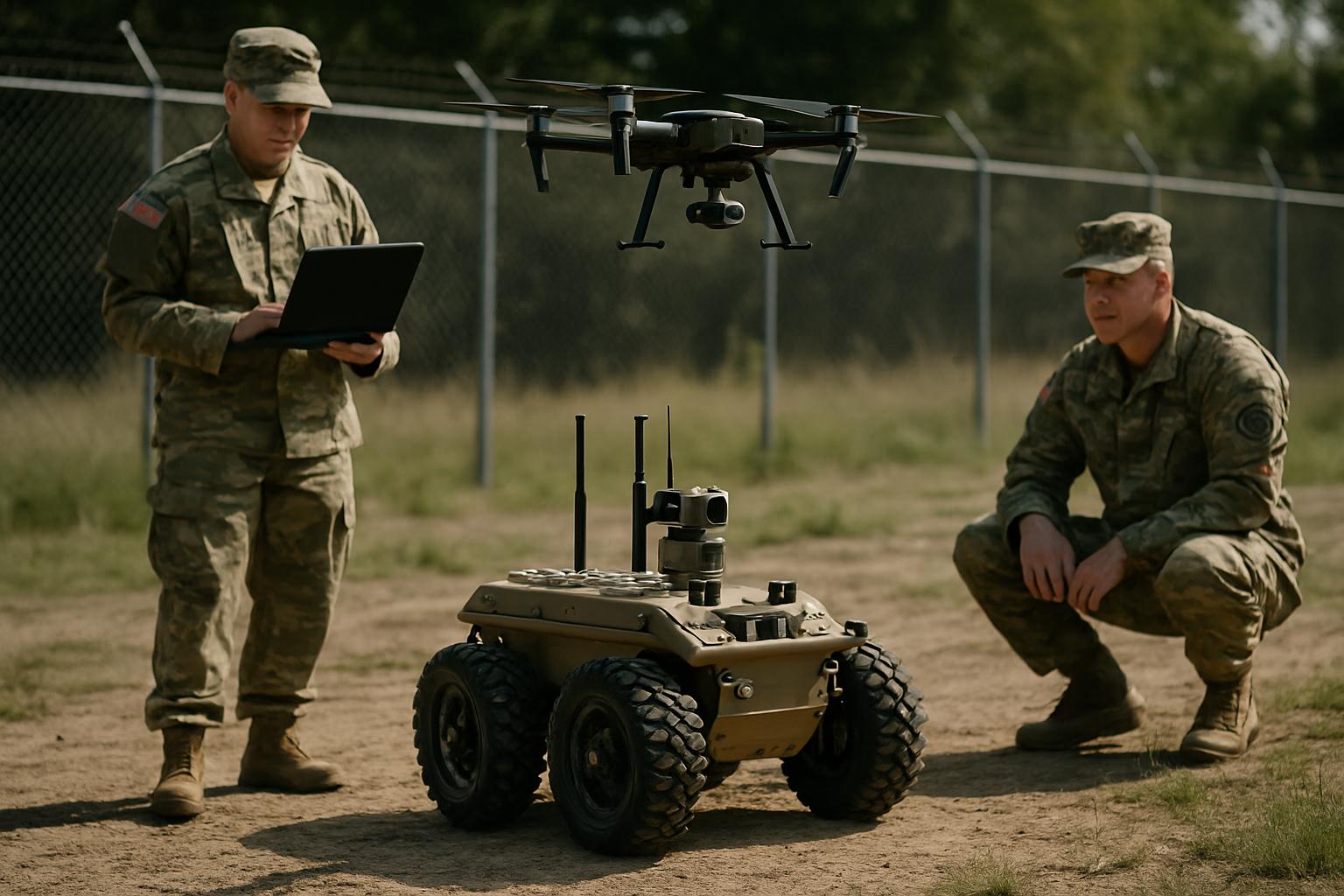
Sirens pierced a quiet Chicago dawn as federal agents advanced toward an apartment block last August. Few residents realized their address appeared on a Palantir-powered map generated hours earlier. That moment distilled a larger transformation now acknowledged by U.S. officials: AI Autonomous Warfare is remaking domestic enforcement as surely as overseas battlefields.
Consequently, recent court filings, leaked user guides, and Pentagon budget documents confirm algorithmic platforms influence raids, detentions, and missile targeting. However, human officers still claim final authority, a nuance often lost in viral headlines. This article unpacks the tools, data, and disputes shaping the next era of state power.
Origins Of Data-Driven Raids
Mobile Fortify entered field testing during mid-2025 and quickly logged over 100,000 biometric scans. Moreover, a DHS Privacy Threshold Analysis revealed images may remain stored for 15 years. In contrast, earlier street operations relied on paper dossiers and tip lines.
Subsequently, ICE investigators adopted ELITE, a Palantir-linked dashboard scoring addresses by “target richness.” Sworn testimony shows agents selecting neighborhoods based on those scores. Consequently, critics argue the software, not officers, shaped raid Strategy.
These changes marked the first domestic glimpse of AI Autonomous Warfare principles. Nevertheless, officials insist humans remained firmly in the loop. These acknowledgments set the stage for broader Military adoption described next.
Toolkits Behind Raid Targeting
Three core components now dominate enforcement planning. Firstly, facial recognition matches live photos against IDENT, TVS, and state repositories. Secondly, predictive analytics merge utility bills, license data, and social media into confidence rankings. Thirdly, geospatial dashboards visualize clusters for rapid Combat deployment.
- Mobile Fortify: >100,000 scans; 15-year retention
- ELITE contracts: roughly $30 million in add-ons
- Address confidence scores: 0-100 scale guiding field teams
Furthermore, each component illustrates how data replaces intuition. Yet false positives persist; plaintiffs cite citizens misidentified by the system. Therefore, oversight bodies demand stronger testing of Weapons-grade algorithms before field use.
These statistics underscore massive scale. However, the Pentagon’s parallel investments reveal even greater ambitions.
Military Maven Expansion Trend
The National Geospatial-Intelligence Agency tripled Maven funding to $795 million by late 2025. Consequently, more than 25,000 personnel now analyze live drone feeds inside the same interface. Vice Adm. Frank Whitworth described a “live map” enabling near-instant strike approvals.
Meanwhile, defense planners hail Maven as a Strategy multiplier that compresses sensor-to-shooter timelines. Moreover, supporters frame the system as essential for peer Combat scenarios, where seconds decide survival.
However, opponents warn of autonomous escalation spirals once algorithms guide Weapons selection. These concerns mirror domestic fears, yet the Military context magnifies ethical stakes. The next section examines that Ethics debate.
Civil Rights Ethics Debate
Rights organizations, including EFF, filed petitions demanding a Mobile Fortify moratorium. Additionally, the Illinois lawsuit accuses DHS of Fourth Amendment violations. Senator Ron Wyden declared the ELITE app “makes a mockery” of public safety claims.
In contrast, agency spokespeople argue AI Autonomous Warfare systems only inform decisions, preserving human judgment. Nevertheless, deposition transcripts reveal agents sometimes default to software rankings under pressure. Moreover, proprietary code hides how those rankings form.
Ethics scholars fear biased data may amplify discrimination, especially in dense immigrant neighborhoods. Consequently, litigation seeks transparent audits and algorithmic impact statements. These disputes highlight tensions between operational speed and constitutional guardrails. The following section weighs practical benefits against escalating risks.
Strategic Benefits And Risks
Proponents list several advantages. Firstly, analytics sift millions of records in seconds. Secondly, dashboards unify disparate feeds, aiding cross-agency Strategy. Thirdly, faster targeting can reduce collateral Combat damage overseas.
However, significant downsides persist. False matches can trigger wrongful detentions. Opaque scores dilute accountability. Mission creep may extend Weapons systems from warzones to city streets.
Consequently, balanced governance requires rigorous testing, clear rules of engagement, and audit trails. Professionals can enhance their expertise with the AI Marketing Strategist™ certification. That program explores responsible deployment frameworks and compliance best practices.
These trade-offs shape legislative hearings now underway. The final section outlines emerging policy pathways.
Accountability And Policy Pathways
Lawmakers propose mandatory Privacy Impact Assessments before deploying any AI Autonomous Warfare capability. Moreover, several bills seek algorithmic due-process rights, including notice and contestation procedures.
Meanwhile, procurement reforms could require open-standard interfaces, reducing vendor lock-in. Consequently, independent labs might verify model accuracy and bias metrics. Additionally, inspectors general plan quarterly audits covering data retention and Weapons integration.
Nevertheless, hard deadlines remain elusive, and agencies continue expanding toolkits. Therefore, watchdog groups urge public comment periods and transparent budget justifications. Robust policies may preserve security while safeguarding civil liberties.
These proposals reflect a growing consensus for oversight. However, execution details will determine real-world impact.
Conclusion And Next Steps
AI Autonomous Warfare now shapes raids, reconnaissance, and strike planning across U.S. agencies. Furthermore, Mobile Fortify and Maven show how biometrics and imagery analytics accelerate decisions. Meanwhile, lawsuits and hearings expose risks of bias, mission creep, and weakened Ethics safeguards.
Nevertheless, thoughtful Strategy can harness data advantages without sacrificing rights. Consequently, professionals should track emerging standards and pursue specialized learning. Explore advanced courses or obtain the linked certification to stay ahead as regulations evolve.


