

AI CERTS
1 month ago
Learning Skills Drive Microsoft Elevate AI Teaching
Moreover, purpose-built tools like Teach, Study & Learn Agent, and Learning Zone promise streamlined lesson creation. Early pilots already span Brisbane, Broward County, and Delhi, signaling rapid institutional uptake. However, questions about vendor influence, privacy, and equity continue to surface across policy circles. This article dissects the strategy, opportunities, and risks behind the company’s most ambitious educator offering yet.
Additionally, we map regional rollouts and explain how forthcoming credentials might reshape the talent pipeline. Read on for a concise briefing designed for leaders steering AI adoption in every classroom.
Global Initiative Explained Clearly
Elevate for Educators positions Microsoft as a central convener for AI pedagogy. Announced during Bett 2026, the initiative targets 20 million credentialed professionals within two years. Furthermore, the company pledged free professional development and a supportive peer network spanning K–12 and higher education. Brad Smith framed the move as essential for democratic access to trustworthy AI in schools. In contrast, critics warn the company could steer curriculum choices by controlling content pipelines.
Nevertheless, unions like the AFT participated, arguing educators must shape rather than resist algorithmic change. Consequently, the firm built advisory boards with ISTE, ASCD, and Code.org to negotiate standards. These governance layers aim to balance scale with pedagogical autonomy. Elevate thus emerges as both platform and political compromise. Meanwhile, its toolset drives day-to-day impact, which we examine next.
Core Tools And Features
Elevate’s toolkit centers on three AI pillars available through existing 365 licenses. Moreover, each pillar focuses on saving teacher time and improving Classroom personalization. The subsections below unpack capabilities and constraints.
Teach And Study Agents
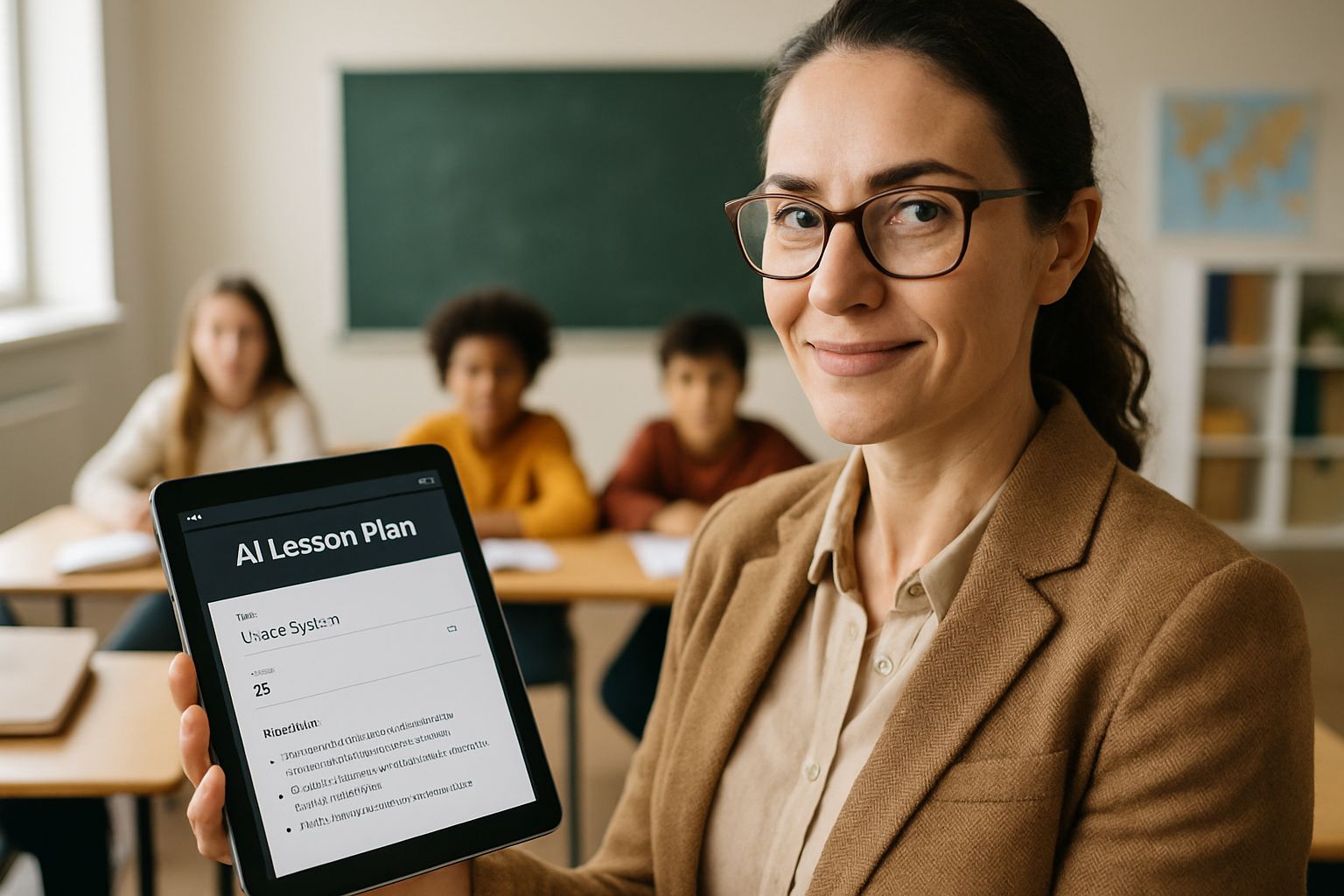
Teach lives inside Microsoft 365 Copilot and drafts lesson plans, rubrics, quizzes, and differentiated activities within seconds. Additionally, Study & Learn Agent supports students aged thirteen plus with adaptive explanations and quick practice sessions. Educators can review, edit, and approve outputs before publishing to the classroom LMS. Consequently, early adopters report reclaimed planning hours that redirect toward interactive Classroom discussions. Privacy safeguards include data isolation and content filters aligned with minor safety regulations. These copilots illustrate the productivity promise and reduce routine training overhead. However, the hardware-intensive Learning Zone raises separate equity questions.
Learning Zone Key Advantages
Learning Zone runs best on Copilot+ PCs leveraging on-device neural processors for fast content generation. Moreover, it integrates NASA, OpenStax, and Minecraft Education resources for multimodal lessons. Teachers select standards, adjust reading level, and export interactive activities to SharePoint or Teams. Consequently, personalized scaffolds reach diverse learners, including those with disabilities or language barriers.
Professionals can enhance their expertise with the AI Customer Service™ certification. Nevertheless, creator functions require premium hardware, while students consume lessons on any device. Learning Zone therefore augments content quality and nurtures Learning Skills, yet risks widening resource gaps. Next, we assess educator-centric opportunities beyond tooling.
Opportunities For Educators Worldwide
Elevate promises tangible gains for frontline teachers. Firstly, automated differentiation expands accessible materials without manual translation or rewriting. Secondly, AI-generated formative assessments deliver instant insights that inform real-time remediation. Furthermore, micro-credential pathways reward demonstrated Learning Skills with recognized digital badges. Recent data underscores breadth of impact:
- Corporate goal: 20 million AI credentials issued by 2028.
- India program targets 2 million teachers across 200,000 schools by 2030.
- Industry committed $23 million to union-led AI Training academy.
Moreover, participants gain access to mentoring forums moderated by experienced peers. These forums accelerate collective problem solving and surface Classroom success stories. Elevate’s mentoring stream also cultivates peer-reviewed Learning Skills reflective of classroom realities. Overall, educators receive time savings, recognition, and community support. However, benefits materialize only if systemic challenges are resolved, as discussed below.
Challenges And Critical Risks
AI adoption also introduces complex trade-offs. In contrast, concerns span academic integrity, data privacy, bias, and vendor lock-in. Pew found 26 percent of U.S. teens used ChatGPT for schoolwork in 2024, doubling yearly. Consequently, educators must redesign assessment to value process over output. Additionally, district leaders fear commercial agendas shaping curriculum when the vendor funds professional development. Nevertheless, transparent governance and open standards could mitigate such influence.
The vendor says advisory groups will publish responsible AI rubrics aligned to global frameworks. Yet independent evaluations remain scarce, leaving unanswered questions about measurable Learning Skills gains. These uncertainties demand careful policy scrutiny. Therefore, funding strategies deserve equal attention, which we explore next.
Regional Rollouts And Funding
Microsoft is staggering deployments to reflect local curricula and regulatory contexts. For example, Indian ministries partnered to embed Elevate within DIKSHA and Skill India Digital Hub platforms. Subsequently, the program aims to certify two million Indian teachers before 2030. Meanwhile, U.S. commitments include community college training grants and $1.25 million in educator prize incentives. Moreover, the company contributed $12.5 million to the AFT-backed National Academy for AI Instruction.
Other tech firms, including OpenAI and Anthropic, added matching amounts, signaling multi-vendor momentum. Nevertheless, sustainability hinges on continuous public investment, not short-term philanthropy. These financial patterns will influence global access and Learning Skills equity. Consequently, credential rollout forms the next critical milestone. That milestone shapes future workforce pipelines, as the following section outlines.
Future Outlook And Credential
Microsoft plans to launch the Elevate Credential in May 2026, co-developed with ISTE and ASCD. The certificate will validate core pedagogical, ethical, and technical Learning Skills for AI-enabled instruction. Furthermore, alignment with the European AI Literacy Framework should aid international recognition. Credential assessments will combine scenario-based tasks, peer review, and portfolio evidence. Digital portfolios will showcase quantifiable Learning Skills for hiring committees.
Professionals completing the pathway unlock deeper Copilot analytics and preferential access to beta features. Additionally, districts could use credential counts as key performance indicators for staff development. Nevertheless, success depends on measurable Classroom improvements and accepted accreditation by ministries. Industry analysts predict standardization waves similar to Office certifications in the 1990s. Therefore, early movers may secure career advantages and leadership roles. The concluding section distills practical steps for stakeholders.
Conclusion And Next Steps
The initiative represents a bold attempt to mainstream AI across every Classroom while preserving teacher agency. The arsenal of tools, community forums, and upcoming credentials could sharpen Learning Skills at unprecedented scale. However, challenges around equity, integrity, and governance demand vigilant oversight from policymakers and district leaders.
Consequently, institutions should pilot features, collect evidence, and refine policies before full deployment. Continual reflection ensures those Learning Skills translate into improved outcomes rather than rote automation. Educators can also boost career prospects through complementary programs such as the AI Customer Service™ certification. Act now, examine outcomes, and position your teams for an AI-ready future.


