

AI CERTs
4 months ago
AI Fraud: Voice Clones Fuel Digital Arrest Scams
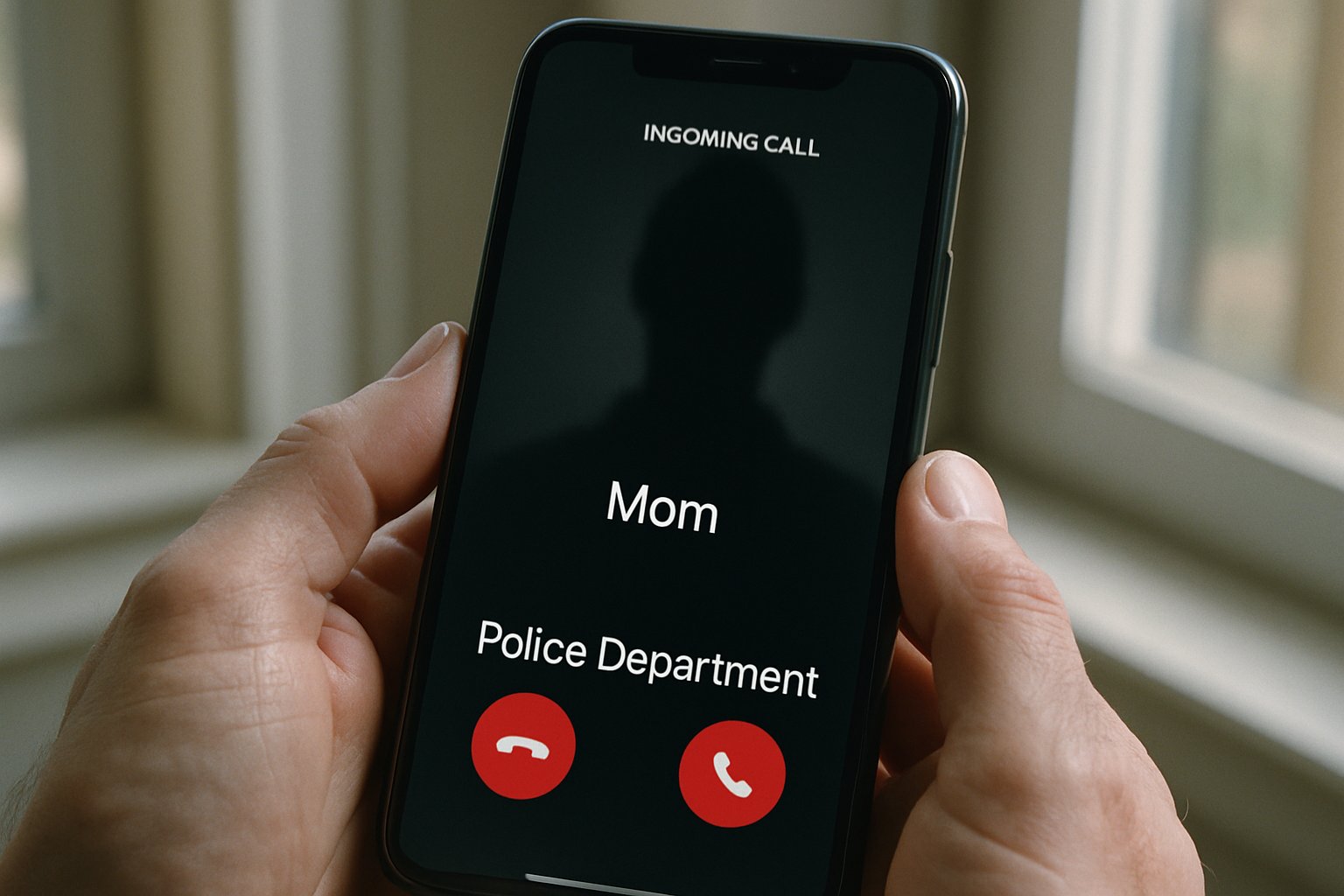
A panicked call claims your arrest warrant is active. Seconds later, a loved one’s cloned voice begs for help. Such chilling moments illustrate how AI Fraud is reshaping impersonation threats worldwide. Moreover, law-enforcement advisories from the FBI, India’s cyber cells, and European watchdogs confirm a sharp rise in deepfake phone extortion since 2024. Consequently, professionals must grasp this hybrid menace that blends social engineering, Voice Synthesis, and coercive theatrics. This article maps the evolution, impact, and required defenses.
Threats Escalate Worldwide Now
Global reports reveal coordinated rings combining smishing, vishing, and voice deepfakes. Furthermore, the FBI’s May 2025 PSA warned criminals were impersonating senior U.S. officials using synthetic audio. Similarly, Indian police logged hundreds of “digital arrest” complaints, with Bangalore, Hyderabad, and Delhi-NCR accounting for 65 percent of incidents in early 2025. In Europe, National Trading Standards noted unprecedented blocks of scam calls. Therefore, security teams must treat these events as organized Crime, not isolated pranks.
Key 2025 developments highlight acceleration:
- 859,532 U.S. cybercrime complaints in 2024, costing $16.6 billion, per IC3.
- Consumer Reports found 4 of 6 cloning services lacked robust consent checks.
- Florida parent lost $15,000 after receiving a cloned-voice kidnapping call.
These markers show AI Fraud rapidly professionalizing. Nevertheless, cross-border cooperation remains limited, allowing syndicates to pivot quickly. The scale underscores the urgent need for new countermeasures. However, understanding the technology stack is the first step.
Deepfake Tools Lower Bar
Commercial Voice Synthesis platforms like ElevenLabs or PlayHT generate convincing speech from seconds of audio. Additionally, automated caller-ID spoofing and cheap VoIP accounts disguise origins. In contrast to earlier years, today’s kits require minimal expertise, dropping entry barriers dramatically. Grace Gedye of Consumer Reports noted, “basic steps could curb misuse, yet many vendors delay safeguards.” Consequently, AI Fraud now sweeps through small towns and Fortune 500 firms alike.
Meanwhile, scammers leverage generative AI to forge warrants, court logos, and even “proof-of-life” videos. These digital props amplify psychological pressure, making victims comply faster. Subsequently, defenders must pair technical filters with user awareness to reduce success rates. Effective prevention starts by dissecting the blended playbook.
Digital Arrest Tactics Merge
Attack flows follow four predictable phases. First, reconnaissance harvests open-source voice clips from social networks and voicemail greetings. Second, rapport building uses friendly cloned messages that appear genuine. Third, coercion escalates as callers pose as police, demanding victims remain on WhatsApp video until money transfers complete. Fourth, launderers split funds across mule accounts before routing through crypto exchanges. Moreover, the FBI observed similar chains in virtual kidnapping schemes.
Because scripts are templated, blue-team analysts can craft detections around timing patterns, repeated legal phrases, and unusual call durations. However, the human factor remains critical, as fear often overrides logic. AI Fraud thrives on that emotional shortcut. Therefore, robust workplace playbooks must include psychological countermeasures alongside technical controls.
These converging tactics demonstrate creative criminal adaptability. Nevertheless, clear insight into losses strengthens the business case for investment, as the next section details.
Financial And Human Toll
Beyond aggregate IC3 numbers, individual stories reveal painful impact. Moreover, Indian victims reported losses exceeding ₹51 lakh in single incidents, while European banks faced fraudulent voice-authorized transfers. In the United States, Better Business Bureaus tracked a 30 percent quarterly uptick in voice-clone complaints during 2025. Such figures push AI Fraud firmly into boardroom risk registers.
Emotional harm is equally severe. Families coerced into keeping constant video contact suffer trauma comparable to real kidnappings. Consequently, corporate wellness and incident-response teams must coordinate victim support. Meanwhile, insurers are updating cyber-rider language to exclude social-engineering payouts lacking multi-factor verification. Therefore, quantifying both monetary and psychological damage is vital when budgeting defensive controls.
These losses spotlight glaring protection gaps. However, actionable safeguards already exist, as outlined next.
Defensive Measures For All
Security leaders should implement layered controls:
- Out-of-band verification for any urgent payment or credential request.
- Mandatory call-back procedures using published agency numbers.
- Voice-deepfake detection tools integrated at contact-center ingress.
- Employee drills simulating Scams that leverage Voice Synthesis and urgency pressure.
Additionally, finance teams can set dual-authorization thresholds, while IT disables unsolicited remote-access links. Governments advise individuals to create family codewords to verify emergencies. Consequently, playbooks must span home and office settings because syndicates pivot targets seamlessly. Incorporating AI Fraud scenarios into tabletop exercises boosts preparedness.
These measures reduce immediate exposure. Nevertheless, systemic change depends on broader market incentives and rules, discussed below.
Policy And Vendor Response
Regulators are scrutinizing platform safeguards. Moreover, Consumer Reports called for Know-Your-Customer checks and audio watermarking as baseline requirements. Some vendors, including Descript and Resemble, added consent verification after March 2025. In contrast, others still prioritize frictionless onboarding, inviting further scrutiny. Legislators in Europe and several U.S. states are drafting bills targeting synthetic-media misuse. Consequently, compliance teams must track evolving obligations to avoid penalties.
Meanwhile, banks pilot voice-biometric liveness tests to flag cloned patterns. Cybersecurity alliances are sharing indicators covering unusual frequency modulations found in deepfakes. Such collaboration turns reactive controls into predictive defenses. AI Fraud will remain adaptive, yet sustained pressure can raise attacker costs.
Ongoing policy debates shape future guardrails. However, individual upskilling accelerates organizational resilience, as the final section shows.
Skills Development And Certification
Workforce knowledge gaps hinder rapid response. Therefore, professionals should pursue specialized training on synthetic-media threat modeling, incident handling, and regulatory compliance. Experts can deepen public-sector readiness through the AI Government™ Specialization certification. Furthermore, cross-functional exercises involving legal, fraud, and communications teams build cohesive defenses against sophisticated Scams.
Cybersecurity curricula now include forensic audio analysis and sociotechnical risk assessment. Additionally, conferences feature live demonstrations of cloning attacks, helping leaders internalize stakes. Collectively, these initiatives shrink adversaries’ psychological advantage. When staff recognize emotional manipulation tactics, AI Fraud loses potency.
Skills investment strengthens both human and technical layers. Consequently, organizations position themselves for forthcoming regulatory audits and customer trust benchmarks.
Conclusion
Voice-clone-enabled digital arrest schemes exemplify AI Fraud at its most personal and profitable. Moreover, global statistics, law-enforcement warnings, and dramatic victim stories confirm the urgent threat. Consequently, enterprises must pair layered technical safeguards with rigorous human training. Policy momentum and vendor reforms are positive, yet continual vigilance is essential. Nevertheless, proactive certification and upskilling efforts empower teams to outpace criminals. Explore advanced programs today and position your organization to detect, deter, and defeat the next cloned call.
Disclaimer: Some content may be AI-generated or assisted and is provided ‘as is’ for informational purposes only, without warranties of accuracy or completeness, and does not imply endorsement or affiliation.


