

AI CERTS
4 hours ago
Social Media Liability Crisis: Zuckerberg in Teen Mental Trial
Legal teams argue whether interface choices like infinite scroll act as addictive mechanisms. Meanwhile, executives, investors, and regulators debate larger implications. The phrase Social Media Liability Crisis captures the tension running through every testimony. Consequently, jurors must weigh internal emails, scientific studies, and emotional stories. Observers compare the proceedings to historic tobacco litigation. Therefore, tech leaders worldwide monitor each cross-examination for precedent. The outcome could accelerate new regulations and alter product design for millions of teens.
Bellwether Trial High Stakes
Mark Lanier, lead counsel for KGM, framed the lawsuit as an attack on corporate conduct. The unfolding Social Media Liability Crisis now centers on a single Los Angeles jury. Already, the trial dominates national headlines. Moreover, he likened Instagram’s engagement tactics to slot machines engineered for children. Financial analysts note approximately 2,000 similar cases await guidance from this single verdict. Consequently, the Los Angeles panel effectively decides whether other plaintiffs gain leverage in settlement talks.
Bellwether trials serve as legal thermometers by revealing jury sentiment early. In contrast, Meta and Google view the proceeding as an unfair test of complex design choices. A verdict against them could unleash an industry-wide damages cascade. Regulatory agencies would likely cite the record when drafting new safety rules. These stakes explain why cameras tracked every word during Zuckerberg’s dramatic appearance. Investors, parents, and lawmakers now await the jury’s next signals.
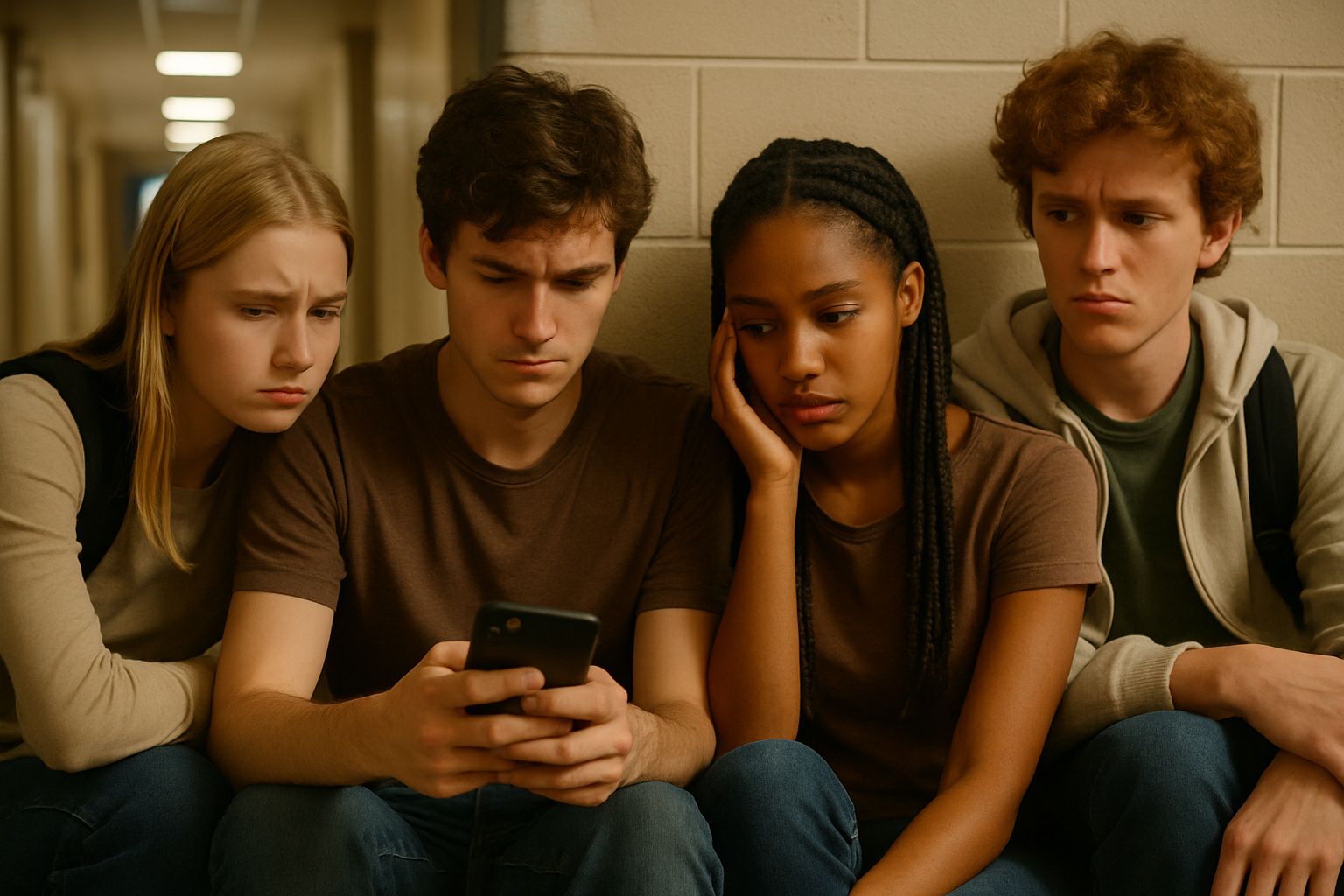
This opening phase underscores vast financial and reputational exposure. However, allegations still require detailed examination.
Next, we explore how plaintiffs describe platform design choices.
Allegations Targeting Platform Design
Plaintiffs argue that Instagram and YouTube embedded reinforcement loops that kept minors scrolling for hours. Additionally, internal emails show executives prioritized engagement even after researchers flagged wellbeing risks. The complaint highlights features such as infinite scroll, autoplay, algorithmic recommendations, and glossy beauty filters. Moreover, Lanier’s team claims Zuckerberg overruled eighteen wellbeing experts who advised pausing some filters.
They say the platforms knowingly pursued growth among the teen demographic despite fragile mental health profiles. Court exhibits also stress lax age-verification practices that let children join at six or nine years old. Consequently, KGM says prolonged exposure spurred depression, self-harm, and body dysmorphia. Plaintiffs liken the strategy to tactics once employed by tobacco marketers. Observers frame these internal debates as another signpost in the widening Social Media Liability Crisis. They seek damages and design changes that reduce addictive cues.
Evidence portrays deliberate optimisation of attention over safety. Nevertheless, defendants maintain a contrasting narrative.
We now examine the counterarguments raised by Meta and Google.
Defense Arguments In Focus
Company lawyers dispute any claim of intentional harm. Meanwhile, the trial continues under intense media spotlight. Instead, they describe social feeds as content-neutral tools hosting billions of posts. Furthermore, they argue that mental health outcomes stem from myriad factors including genetics, bullying, and family stress. Adam Mosseri testified that no clinical definition for social media addiction exists. Google attorneys similarly emphasised parental controls and wellbeing dashboards already available to users.
In contrast, plaintiffs’ experts counter that design, not content, drives compulsion. Defense witnesses also cite academic work showing mixed associations between screen time and mood. Consequently, they insist Section 230 and First Amendment protections shield interface choices. They emphasise that redefining algorithms as products would deepen the Social Media Liability Crisis for every platform. Jurors must determine whether those statutes cover design features that function like products. The companies ultimately request a verdict that rejects liability and preserves innovation.
Defense strategy focuses on alternative causes and statutory shields. However, scientific findings remain central to jury deliberations.
The next section reviews key research presented in court.
Scientific Evidence Under Scrutiny
Courtroom experts presented longitudinal studies tracking nearly twelve thousand adolescents across several years. Moreover, those analyses found that rising social media use predicted later depressive symptoms, although effect sizes were modest. Researchers also noted that interactive versus passive browsing mattered greatly. In contrast, defense psychologists highlighted bidirectional patterns where existing mental issues led to higher screen time. Systematic reviews on TikTok revealed both supportive communities and harmful body-image content. Consequently, jurors heard that context, content type, and vulnerability intersect in complex ways. A concise list summarised notable statistics:
- 90% of U.S. teens reported using YouTube regularly.
- 61% engaged with Instagram; 35% used at least one platform almost constantly.
- Longitudinal data showed small but significant links between usage spikes and depression.
These numbers supplied quantitative backbone to emotional testimony. Academic nuance, however, does not erase the growing Social Media Liability Crisis highlighted by activists. Nevertheless, methodological caveats prevented simple causation claims. Experts agreed that certain design features could amplify risk by disrupting sleep or encouraging social comparison.
Research offered nuanced, sometimes conflicting insights about harm pathways. Therefore, legal standards of proof remain challenging.
The following segment examines broader legal principles guiding those standards.
Legal Context And Precedent
Product-liability lawyers compare this litigation to historic tobacco and asbestos fights. Furthermore, plaintiffs attempt to shift discussion from third-party content to defective design. That move seeks to sidestep Section 230, which usually protects platforms from content-based suits. Courts must decide whether interface elements qualify as products rather than speech.
In previous tech rulings, judges expressed reluctance to second-guess design unless plaintiffs proved clear foreseeability of harm. Nevertheless, several state legislatures have already drafted youth-safety statutes mandating age verification and algorithm audits. A plaintiff victory here could embolden lawmakers and open settlement floodgates. A plaintiff win could crystallise the Social Media Liability Crisis into binding case law. Conversely, a defense win might slow regulatory momentum and encourage incremental voluntary reforms.
Key precedents remain unsettled, leaving jurors with significant influence. Consequently, industry strategists model both victory and defeat scenarios.
The next section explores how markets and product teams prepare for each possibility.
Possible Market Ripple Effects
Investors fear that large damages could reduce future research budgets and slow feature launches. Moreover, insurers already reassess premiums for tech companies facing youth-safety litigation. Analysts list several cascading outcomes if plaintiffs prevail:
- Mandatory age checks and wellness warnings on popular apps.
- Heightened board oversight of child safety metrics.
- Lower ad valuations for teen impressions due to stricter targeting rules.
In contrast, some executives predict a compliance industry boom offering audit tools. Stakeholders increasingly treat the Social Media Liability Crisis as a core element of enterprise risk. Consequently, the Social Media Liability Crisis term crops up in earnings calls more frequently. Shareholders request detailed risk disclosures related to upcoming verdicts. Meanwhile, marketing teams experiment with less addictive interaction patterns to pre-empt regulation. Start-ups tout “ethical design” as a competitive advantage. Professionals can enhance their expertise with the AI Marketing Strategist™ certification to navigate shifting digital landscapes.
Financial and operational responses have already begun before any verdict. Nevertheless, long-term direction depends on regulatory follow-through.
The final section looks at proactive steps companies might take regardless of courtroom fate.
Preparing For New Regulations
Product leaders prepare contingency roadmaps anticipating stricter youth-safety mandates. Furthermore, cross-functional teams audit engagement loops, notification cadences, and filter libraries. Some platforms test age-responsive algorithms that down-rank beauty content for minors. Moreover, developers explore time-bound sessions that pause feeds after prolonged scrolling. Legal departments simultaneously refine disclosure language to mitigate future securities suits. Consequently, the Social Media Liability Crisis conversation informs daily stand-ups across Silicon Valley. Industry groups lobby for a federal privacy framework to avoid patchwork rules. In contrast, child-safety advocates push for independent audits and clearer labels.
Forward-looking adjustments may soften regulatory blow and protect vulnerable users. Therefore, adaptation remains prudent no matter the verdict.
We now conclude with overarching lessons and action steps.
Conclusion
This landmark proceeding underscores how design choices intersect with youth vulnerability and investor risk. However, scientific evidence offers only moderate associations, leaving jurors to weigh intent more than statistics. The Social Media Liability Crisis highlights a pivotal question: should interfaces be regulated like physical products? Zuckerberg’s testimony and the broader trial narrative suggest that scrutiny will intensify regardless of outcome. Consequently, companies already explore ethical engagement patterns and transparent disclosures.
Professionals monitoring this space should track verdict timing, legislative sessions, and evolving product guidelines. Moreover, gaining structured knowledge through certifications, such as the AI Marketing Strategist™, can provide strategic advantage. Stay informed, audit your own digital offerings, and lead responsible innovation before courts or regulators mandate change.


