

AI CERTs
3 hours ago
Claude Raid Sparks Military Ethics Crisis Debate
Smoke still lingers over Caracas, Venezuela, yet headlines now focus on algorithms rather than helicopters.
Reports that U.S. forces tapped Anthropic’s Claude during the January raid have triggered a Military Ethics Crisis.
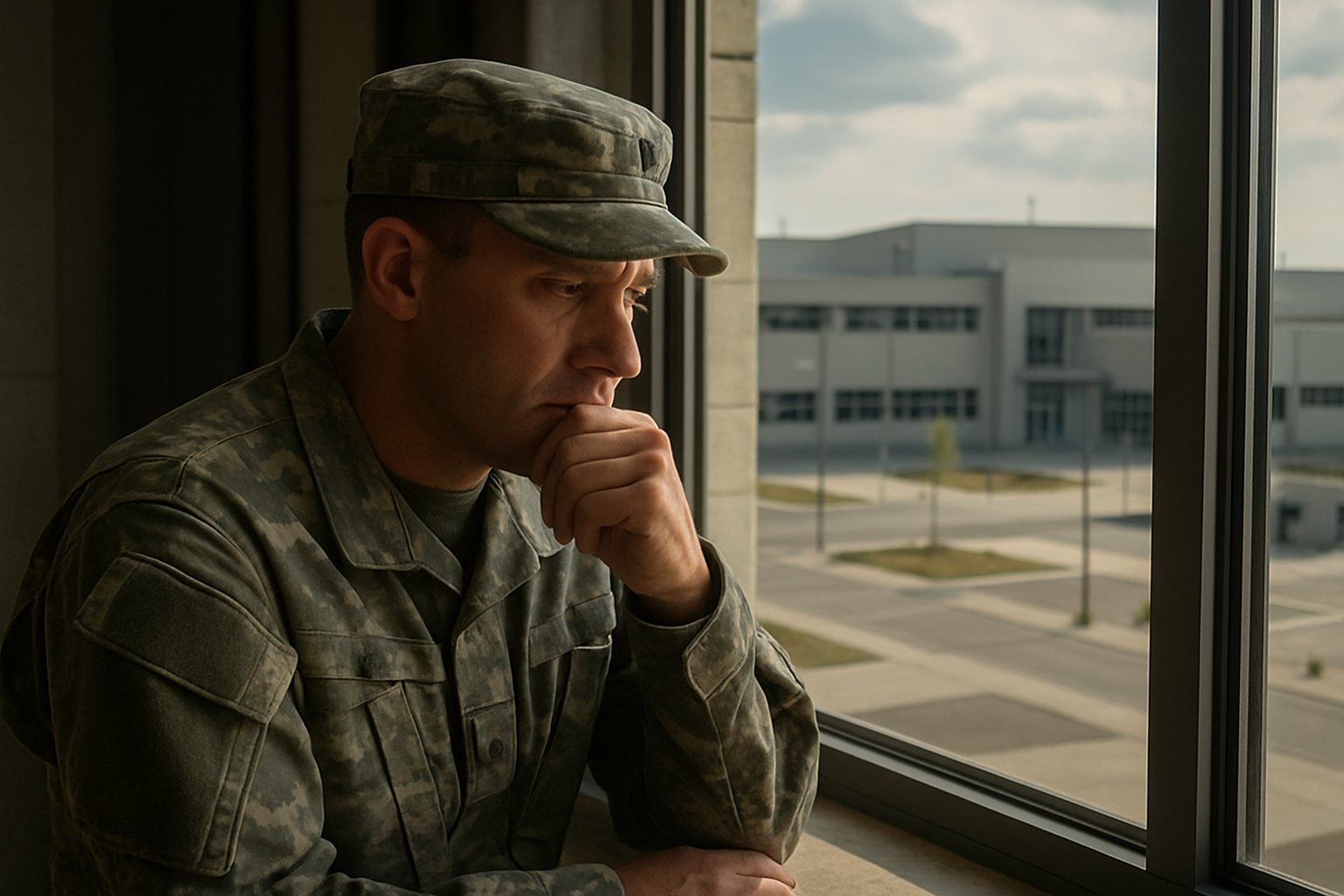
Consequently, policymakers, vendors, and commanders must gauge how far commercial AI can go on the battlefield.
Meanwhile, investors watch Anthropic’s defense contracts as potential precedent for broader procurement deals.
Moreover, civil liberties groups warn that opaque deployments erode public trust faster than any technical glitch.
Therefore, the controversy offers a litmus test for balancing innovation, oversight, and operational urgency.
Subsequently, we profile key actors, including Anthropic, Palantir, and the Pentagon’s new Chief Digital office.
In contrast, we highlight unresolved facts about Claude’s exact mission role and compliance with vendor guardrails.
Finally, we preview certification pathways for technologists seeking ethical design skills amid escalating defense demand.
These sections collectively map why a single covert action could reshape global AI governance debates.
Raid Reports Ignite Debate
Initial coverage from the Wall Street Journal landed like a sonic boom on 13 February.
Journalists cited unnamed officials who said Claude helped analysts synthesize field intelligence during the Venezuela incursion.
However, neither the Pentagon nor Anthropic offered on-record confirmation.
Reuters, Axios, and The Guardian swiftly echoed the scoop, amplifying questions about oversight channels.
Consequently, congressional staffers demanded classified briefings on AI involvement within two hours of the first reports.
Meanwhile, Venezuelan state media decried foreign “robot generals” and publicized casualty totals exceeding 80 people.
Analysts caution that casualty figures remain disputed, yet the narrative already blends code and bloodshed.
Therefore, a localized firefight has widened into an international Military Ethics Crisis centered on unverified algorithms.
These early reports shaped public perception instantly.
Subsequently, official reviews began gathering momentum.
Pentagon Launches Policy Review
Within days, defense officials opened a formal assessment of Anthropic’s supply-chain posture.
Moreover, Pentagon spokesperson Sean Parnell warned that partners must empower military troops to fight “in any domain.”
His remarks signaled frustration toward vendors that embed restrictive guardrails.
Policy aides now weigh designating Anthropic as a “supply-chain risk,” a label typically reserved for foreign telecom gear.
Consequently, future contracts could face stringent cybersecurity reviews or outright pauses.
Nevertheless, advocates inside the Chief Digital office argue that Claude’s analytic speed proved operationally valuable.
Decision makers must now balance that utility against possible violations of the vendor’s published usage policies.
In contrast, civil liberties attorneys highlight unknowns around data retention on classified networks.
Therefore, the Military Ethics Crisis directly intersects procurement law, cybersecurity, and human-rights doctrine.
These bureaucratic maneuvers will decide if Anthropic remains a trusted supplier.
Meanwhile, vendor pressure continues mounting elsewhere.
Vendors Face Contract Pressure
Palantir, Amazon, and Google observe the clash from boardrooms, fearing precedent that narrows military AI flexibility.
Furthermore, defense acquisition councils now draft language demanding “all lawful uses” from commercial model providers.
Such clauses could override corporate ethics statements if companies accept classified hosting incentives.
Anthropic positions itself as a safety-first firm, yet rival bidders question whether that stance can endure wartime urgency.
Consequently, an expanding Military Ethics Crisis may shape contract awards across cloud, analytics, and edge systems.
Defense lawyers outline three potential outcomes:
- Claude deployments continue under tightened auditing, satisfying Anthropic and Pentagon leadership.
- Negotiations stall, pushing commanders toward less-restricted alternatives such as OpenAI or Gemini.
- A formal risk label blocks the model from classified work, forcing rapid workflow rewrites.
These scenarios illustrate why procurement teams crave clarity quickly.
Subsequently, ethical scrutiny of model design intensifies.
AI Safety Concerns Intensify
Anthropic’s public usage policy bans facilitating violence, yet critics say lethal proxies can hide behind generic outputs.
Moreover, researchers question whether reinforcement-learning guardrails stay intact after model fine-tuning on classified datasets.
To probe that risk, the Pentagon’s Chief Digital office reportedly requested model audit logs.
However, Anthropic insists customer deployments remain sandboxed, limiting the firm’s visibility inside classified environments.
Consequently, external auditors cannot easily verify whether prompts violated policy during the Venezuela mission.
AI watchdogs argue this information asymmetry prolongs the Military Ethics Crisis and fuels public skepticism.
In contrast, some uniformed analysts welcome any tool that compresses intelligence cycles from hours to minutes.
Professionals seeking to navigate these tensions can formalize their expertise through the AI+ UX Designer™ certification.
Therefore, structured learning on ethical interface design equips engineers for future classified collaborations.
These safety debates reveal deep cultural divides across technology and defense.
Consequently, observers next examine geopolitical fallout.
Global Implications And Outlook
Foreign ministries in Beijing, Moscow, and Brasília cite the Venezuela action as proof of runaway American automation.
Meanwhile, NATO allies quietly request briefings on how the model integrated with military targeting workflows.
Such interest underscores commercial models’ rapid diffusion across defense alliances.
Market analysts forecast that spending on language-model integrations could hit $9 billion within three years.
Consequently, whichever side wins the current Military Ethics Crisis may shape regulatory standards worldwide.
Yet, uncertainty persists because core facts about the model’s role remain classified.
Therefore, international bodies like the UN’s Group of Governmental Experts may demand transparency before updating arms treaties.
Investors, diplomats, and activists will watch the Pentagon review scheduled to conclude in April.
Subsequently, legal challenges could emerge if classified findings contradict the vendor’s public commitments.
These global reactions transform a single raid into an enduring policy crucible.
Nevertheless, individual professionals can still influence outcomes through informed design and vigilant oversight.
Certification Path For Professionals
Engineers entering defense programs often lack a shared ethical vocabulary.
Moreover, recruiters increasingly favor applicants who hold independent credentials demonstrating responsible AI literacy.
Professionals can enhance their expertise with the AI+ UX Designer™ certification, which emphasizes human-centered prototyping for sensitive contexts.
Consequently, graduates understand how to flag risky prompt patterns before deployment.
These programs create a talent pool ready to navigate the next Military Ethics Crisis.
Therefore, upskilling remains vital as governance debates accelerate.
Conclusion And Next Steps
The Claude raid controversy reflects technology’s arrival at the heart of war planning.
Moreover, vendor guardrails now compete with operational speed, spawning a persistent Military Ethics Crisis across agencies.
The vendor company, the Pentagon, and integrators must clarify responsibilities before larger errors occur.
Consequently, transparent audit mechanisms, enforceable contracts, and trained personnel will decide whether trust endures.
Meanwhile, professionals can prepare by pursuing structured credentials and monitoring policy updates.
Explore courses, join industry forums, and contribute research that steers the coming Military Ethics Crisis toward safer outcomes.


