

AI CERTs
3 hours ago
AI Marketing Meets Digital Afterlife
News cycles now buzz with AI Marketing experiments that reach beyond the grave. Suddenly, brands and platforms imagine conversations, ads, and memorials for people who no longer live. However, this emerging practice blends emotional sensitivity with commercial ambition. Consequently, technologists, lawyers, and funeral directors debate benefits, risks, and revenue potential.
Meta’s recent patent for posthumous account simulation thrust the topic into mainstream coverage. Meanwhile, funeral software vendors quietly roll out obituary generators that already process thousands of families. These moves reveal an inflection point for AI Marketing strategy, compliance, and public trust.
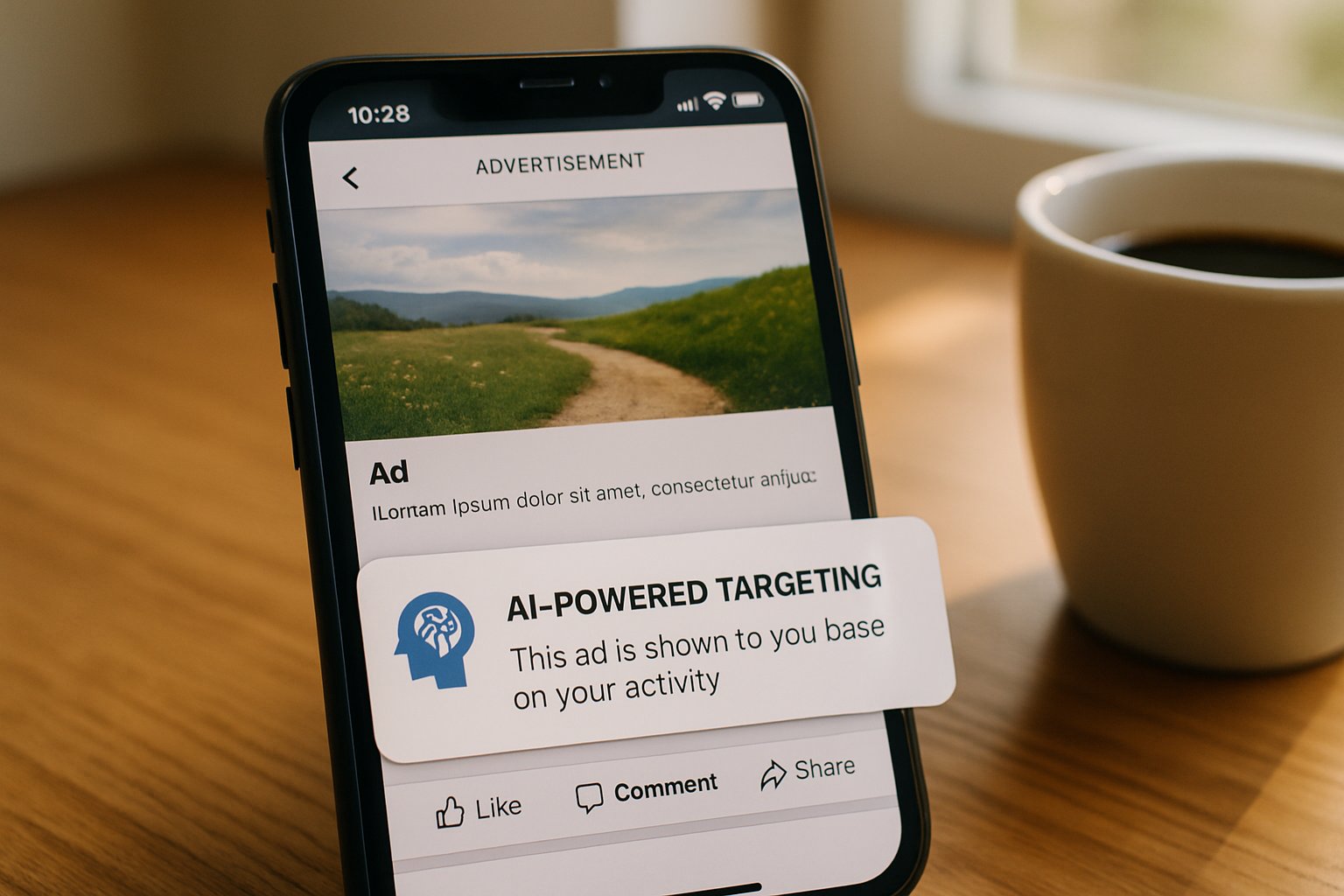
This article examines current developments, market signals, legal hurdles, and ethical guardrails. Furthermore, readers gain pragmatic guidance for responsible deployment in Advertising, Targeting, and Engagement campaigns. The stakes span reputational damage, regulatory exposure, and profound human grief.
Patent Sparks Posthumous Debate
Meta secured a December 2025 patent describing language models that could imitate dormant or deceased users. Although Meta denies immediate product plans, the document validates sustained research interest. Moreover, the filing outlines message prediction, content generation, and personalized Advertising hooks.
Researchers note that such simulations would supercharge AI Marketing personalization, yet magnify consent concerns. In contrast, academics warn that cloned posts may blur memories and manipulate bereaved audiences. Therefore, investor excitement meets ethical unease inside the same technical blueprint.
These patent details expose commercial intent alongside moral ambiguity. Subsequently, industry adoption trends deserve closer inspection.
Funeral Tech Adoption Accelerates
Funeral-software providers like Passare integrate generative text tools directly into workflow dashboards. CelebrateAlly reported 250 obituary requests within months, demonstrating early consumer appetite. Additionally, Passare claims tens of thousands of AI obituaries created for busy directors.
Vendors pitch speed, cost savings, and deeper Engagement with grieving families. However, Washington Post reporting documented hallucinated relationships and dates that embarrassed clients. Consequently, operators now pair human editors with models to safeguard accuracy.
For marketers, these case studies illustrate AI Marketing scalability inside a traditionally conservative sector. Such traction foreshadows broader Legacy services, including interactive memorial chatbots and voice clones. These adoption numbers highlight momentum. Meanwhile, fraudulent deepfake campaigns reveal parallel dangers.
Deepfake Ads Reveal Risks
In January 2024, 404 Media uncovered over 1,000 celebrity deepfake scam ads on YouTube. The clips amassed nearly 200 million views before removal, according to investigators. Moreover, the ads leveraged synthetic endorsements to drive crypto fraud and shady product sales.
Google subsequently purged the content, yet revenue likely changed hands long before action. Consequently, regulators question platform diligence, detection tooling, and refund policies. These incidents provide a cautionary tale for AI Marketing teams attracted by cheap reach.
Unauthorized use of a deceased celebrity magnifies emotional harm and legal exposure. Advertising strategists must audit creative pipelines and deploy robust content authentication. Failure invites lawsuits, consumer backlash, and damaged Engagement metrics. Thus, responsible Targeting demands verifiable consent and rapid takedown channels.
These risk patterns echo across sectors. Next, we examine legislative shields and gaps. Thoughtful AI Marketing policies can prevent similar fiascos.
Legal Patchwork Complicates Enforcement
United States law offers no single federal rule governing posthumous digital replicas. Instead, state publicity statutes create a confusing mosaic of rights, durations, and damages. California grants estates control for decades, whereas some states ignore post-mortem claims entirely.
Furthermore, newer amendments address deepfakes, yet definitions and exemptions differ widely. Consequently, nationwide Advertising campaigns face unpredictable liability when content crosses borders. Lawyers advise marketers to secure written estate consent before deploying Legacy themed creatives.
Nevertheless, speed pressures in AI Marketing sometimes shortcut formal approvals. Courts will likely refine standards through upcoming celebrity estate lawsuits. These legal uncertainties demand proactive compliance teams. Subsequently, business leaders must weigh opportunity against enforcement costs.
This patchwork increases strategic complexity. However, commercial upside continues to lure innovators.
Business Opportunities And Pitfalls
Market analysts forecast multi-billion dollar revenue potential for grief tech and digital Legacy services. Moreover, stable demographics make death care less cyclical than many verticals. Consequently, venture funding flows toward obituary tools, memorial chatbots, and voice cloning startups.
Key data points underscore momentum:
- Over 1,000 deepfake ads reached 200 million views before takedown.
- Passare produced tens of thousands of AI obituaries for clients.
- Resemble's database tracks hundreds of deceased impersonation incidents across 2020-2026.
These figures excite advertisers seeking fresh Engagement hooks. However, the same numbers illustrate reputational hazards if fraud surfaces. AI Marketing promises hyper-personal Targeting, yet audiences may recoil when messages feel exploitative.
In contrast, respectful storylines can strengthen brand trust and drive sustained Advertising returns. Therefore, success hinges on authenticity, transparency, and rigorous fact checking. Professionals can deepen skills through the AI Healthcare Specialist™ certification.
Although the credential focuses on health, its governance modules translate to posthumous data stewardship. Opportunities and pitfalls stand in tight proximity. Subsequently, marketers need structured safeguards.
Strategic Actions For Marketers
Executives should map content workflows against estate consent checklists before creative production. Additionally, deploy watermarking and provenance metadata to deter unauthorized deepfake redistribution. Security teams must monitor incident databases and platform transparency reports for emerging scams.
Consequently, rapid takedown coordination reduces exposure and preserves Engagement metrics. Brands should segment Targeting to avoid vulnerable demographics experiencing fresh grief. Moreover, copywriters can emphasize tribute over sales pitch when referencing Legacy narratives.
Implement periodic audits that measure Advertising spend against ethical risk indicators. Such practices position AI Marketing as a trustworthy driver of long-term loyalty. These actions foster resilience. Nonetheless, continuous education remains essential.
Robust governance converts caution into competitive advantage. Therefore, the final section synthesizes key messages and next moves.
Conclusion And Next Steps
Posthumous personalization now shifts from speculative fiction to operational reality. However, technical capability alone cannot secure sustainable value. Legal ambiguity, reputational volatility, and raw human emotion demand disciplined governance.
Consequently, leaders must balance vision with verifiable consent and transparent messaging. When executed thoughtfully, AI Marketing can honor Legacy, boost Engagement, and unlock responsible growth. Professionals should now formalize consent frameworks, invest in detection, and refine creative guardrails.
Meanwhile, expanding expertise through the linked certification strengthens cross-functional decision making. Act today to shape a respectful, profitable future.


