

AI CERTs
3 hours ago
AI HR Agents Reshape Researcher Compensation Strategies
Research universities juggle complex pay decisions daily. Rising automation reshapes those decisions faster than policy writers can react. Moreover, AI HR agents now assist human compensation teams in modelling budgets, enforcing rules, and advising offers. However, the same term "HR agents" also describes the people steering payroll, grants, and participant payments. Consequently, confusion persists around responsibilities, compliance exposure, and ethical guardrails. This article unpacks both meanings, recent market shifts, and practical governance tactics for researcher compensation. Furthermore, new federal stipend levels and updated pay caps pressure institutions to adjust pay structures swiftly. Meanwhile, unions and market Talent shortages amplify calls for transparent Recruitment and equitable Salary frameworks. Therefore, understanding how AI HR tools intersect with grant rules, IRB ethics, and labor negotiations has become essential. By exploring vendor innovations, regulatory updates, and field examples, readers will gain actionable insights for better Retention of scientific talent. Additionally, professionals can sharpen governance skills through the AI Project Manager™ certification, which emphasizes responsible AI deployment.
Dual Agent Definitions Explained
Scholars hear the phrase HR agents in two distinct contexts. First, human specialists in compensation, payroll, and sponsored programs monitor every Salary charge against grant rules. Second, software modules branded as AI HR agents parse market data, suggest offers, and even stage payroll runs. Moreover, many vendors claim an agentic workflow where algorithms plan, act, and adjust without fresh prompts.
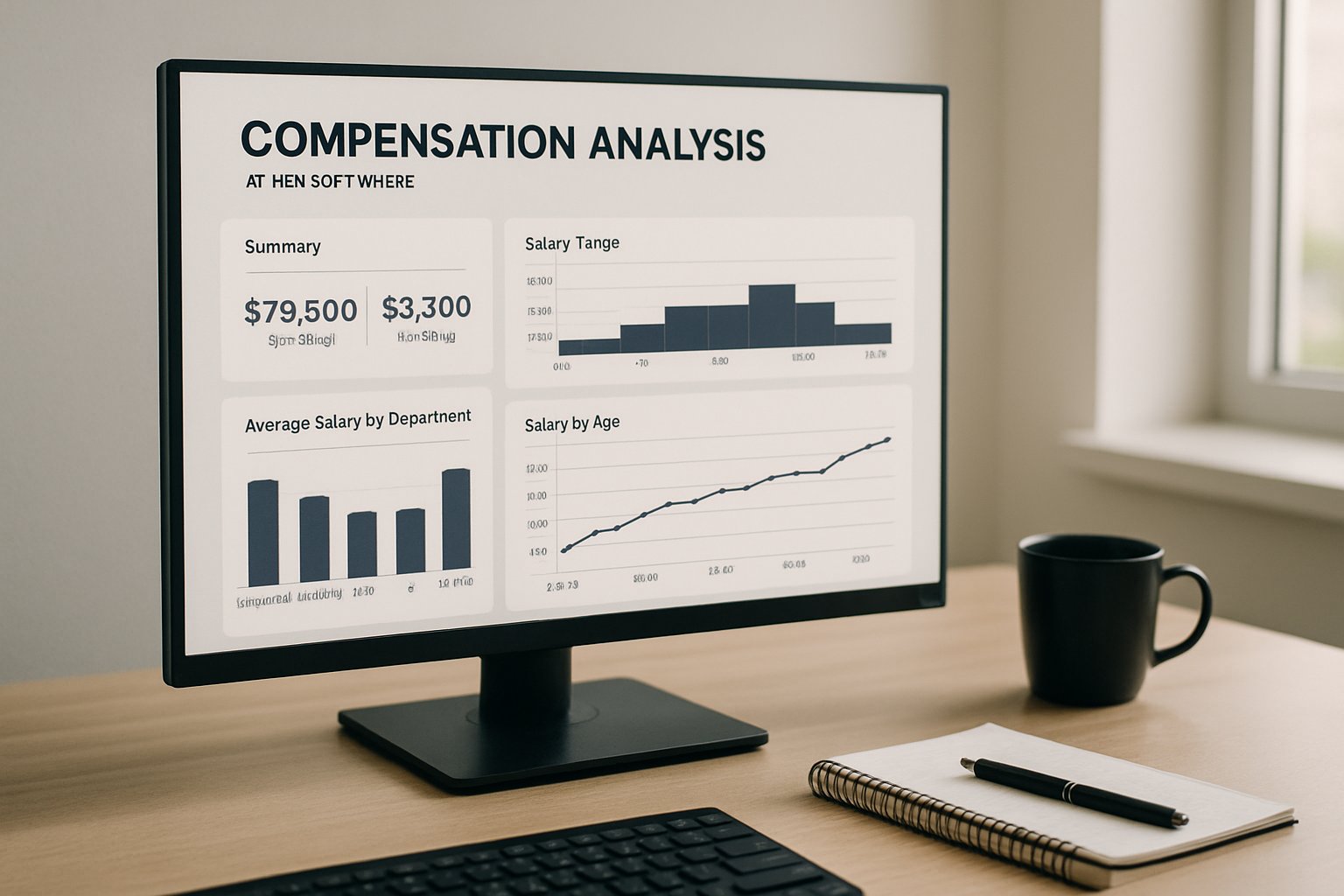
Both categories address similar pay challenges yet demand distinct controls. Consequently, understanding market drivers becomes the next priority.
AI HR Market Forces
Global compensation software revenue already tops one billion dollars and climbs steadily, numerous analysts confirm. Additionally, a leading compensation vendor, along with Payscale and Workday, introduced agentic platforms during 2025, expanding AI HR capabilities in pay analytics. Plunkett stated that agents now analyze vast datasets and automate time-consuming modelling steps. However, NIH stipend increases and refreshed Salary caps demand accurate alignment before any recommendation reaches leadership. Moreover, recent postdoc union agreements elevate minimum pay, intensifying Talent competition across universities.
- FY2025 NIH postdoc Year-0 stipend: $62,232
- FY2025 HHS pay cap: $225,700
- Compensation software segment forecast: $1.1B by 2029
These dynamics escalate demand for precise, transparent decision support. Subsequently, compliance scrutiny gains even greater urgency.
Compliance Rules Tighten Constantly
Federal notices now update Salary limits and stipend tables almost yearly. Consequently, pre-award budgets must flag staff exceeding $225,700 and reallocate unsupported portions to institutional funds. Furthermore, effort reporting requires after-the-fact certification that charged percentages match actual activity. In contrast, participant payments trigger IRB review focused on coercion, prorating, and tax treatment. AI HR systems must incorporate these checks or risk audit findings and reputational damage.
Compliance therefore shapes every automation design choice. Next, we examine concrete workflow impacts inside HR departments.
AI HR Pay Workflows
Modern suites link market surveys, internal job architecture, and grant data to formulate initial offers. Additionally, scenario engines project future pay growth under varied funding, overhead, and Retention assumptions. During Recruitment, supervisors receive AI HR prompts highlighting pay equity gaps and required approval tiers. Subsequently, payroll agents distribute charges across grants while alerting when caps or effort splits mismatch. Moreover, participant payment modules route approved dollar amounts to cash cards and automatically prepare IRS forms.
These workflow enhancements cut cycle times and strengthen Talent experiences. Nevertheless, unmanaged algorithms can embed new risks, which the next section explores.
Risks Demand Oversight Measures
Bias remains the headline concern because historical data may underpay marginalized Talent groups. However, legal liability extends further, encompassing disparate impact, inaccurate grant charging, and privacy breaches. Therefore, institutions apply model validation protocols, human signoff layers, and continuous monitoring dashboards. Additionally, many universities deliver governance training via certifications such as the earlier mentioned AI Project Manager™ program.
- Document model inputs and vendor versions
- Require human approval for Recruitment offers
- Verify Salary cap compliance pre-award
- Reconcile effort reports quarterly
- Implement IRB-approved payment rules
Following these steps mitigates audit exposure and supports sustainable Retention efforts. Next, practical strategy recommendations consolidate the lessons.
Actionable Strategies For Success
Start by mapping every compensation touchpoint and tagging which AI HR feature influences each decision. Subsequently, embed multidisciplinary review panels containing finance, IRB, and Recruitment stakeholders. Moreover, schedule quarterly pay equity audits that examine Talent inflow and annual Retention metrics. In contrast, rely on live dashboards rather than ad-hoc spreadsheets to track pay cap utilisation. Consequently, leadership gains trustworthy visibility and faster Response times when policies shift.
These practices align automation with ethics, law, and strategic priorities. Finally, we look ahead to emerging developments.
Future Outlook And Trends
Vendor roadmaps promise deeper conversational interfaces that allow supervisors to query compensation agents directly. Meanwhile, regulators weigh algorithmic transparency rules which could force disclosures of model logic and bias testing. Moreover, research funders may integrate pay cap values into machine-readable grant APIs, enabling real-time validation. Therefore, institutions that invest now in AI HR governance frameworks will adapt faster to future mandates.
Emerging trends underscore the momentum behind autonomous compensation workflows. Consequently, a proactive stance today secures tomorrow's competitive edge.
In summary, AI HR agents—both human and digital—are redefining researcher pay, yet oversight remains paramount. Institutions that integrate robust compliance checks, transparent algorithms, and cross-functional governance will minimise risk and maximise Retention. Moreover, continuous training through the AI Project Manager™ certification equips leaders to steer Talent strategy responsibly. Consequently, proactive adoption today positions universities to navigate new stipend tables, Salary constraints, and evolving Recruitment dynamics. Act now, review your workflows, and empower your teams to harness compliant AI platforms for competitive advantage.


