

AI CERTS
2 months ago
DROP Platform Debuts: California’s One-Stop Data Deletion Tool
Moreover, enforcement begins on August 1, 2026, when brokers must start processing incoming orders. Industry analysts call this central hub a potential inflection point for the global data trade. However, technical, geographic, and timing gaps still cloud the rollout. This article explains the legislation, mechanics, benefits, timeline, and critiques surrounding the initiative. Readers will gain actionable insights to prepare compliance programs and consider complementary removal services.
Delete Act Legislative Roots
The Delete Act of 2023 mandated statewide deletion automation. Lawmakers designed it after watchdog reports exposed broker evasion tactics. In contrast, earlier laws required consumers to chase each company individually. Therefore, Senate Bill 362 ordered CalPrivacy to build a centralized infrastructure.
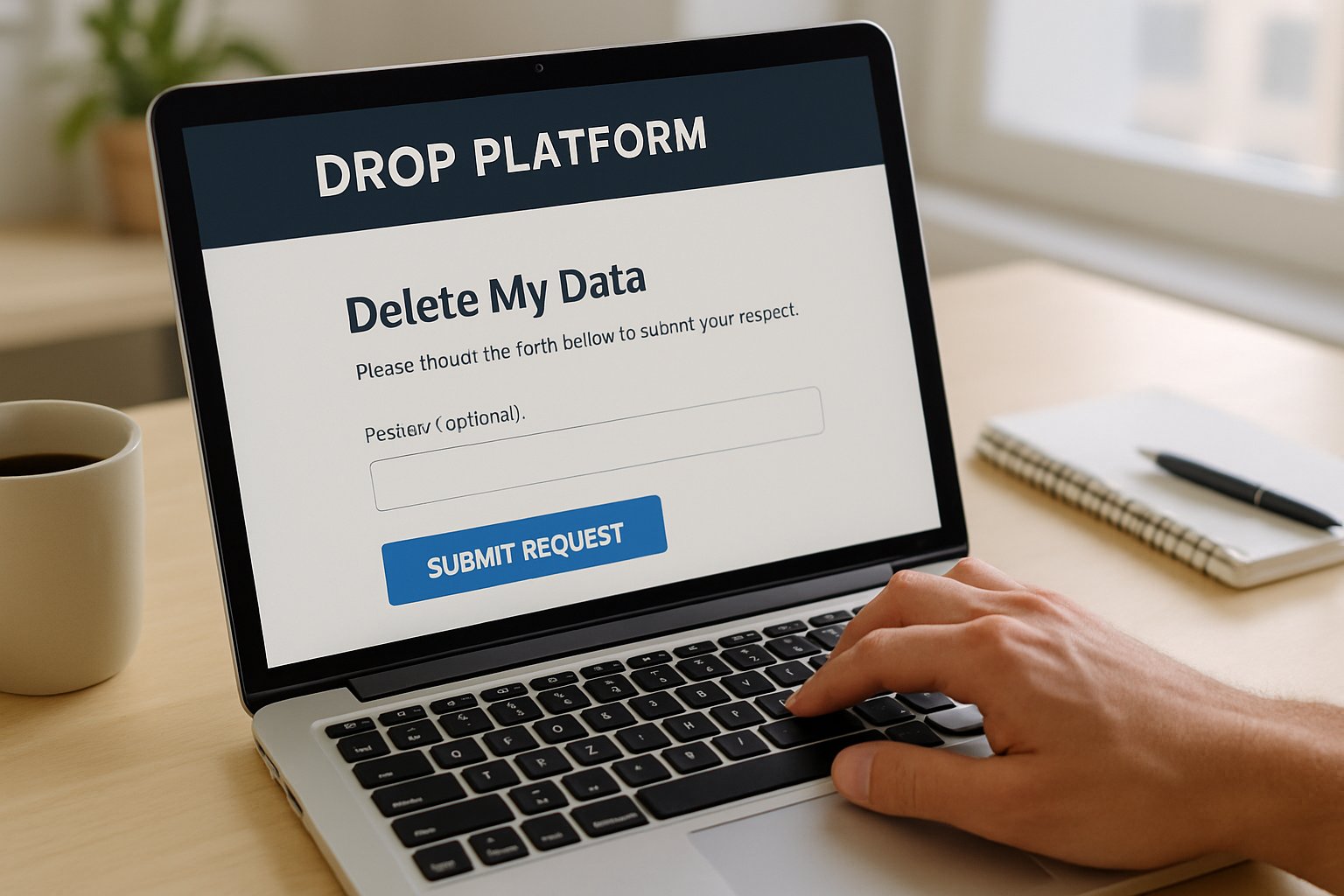
Subsequently, the agency issued draft rules, refined them through hearings, and secured approval on November 6, 2025. Those rules created the official name, the Delete Request and Opt-out Platform, abbreviated as DROP. Funding comes from the annual broker registration fee, ensuring taxpayers avoid extra costs.
These legislative steps laid a sturdy regulatory foundation. Meanwhile, attention quickly shifted to technical execution.
How DROP Platform Works
The DROP Platform verifies residency through Login.gov or the California Identity Gateway. Users provide a state address, phone number, and email for record matching. Furthermore, the interface claims completion within five minutes, according to Executive Director Tom Kemp.
Once submitted, a backend API relays the hashed request to every registered broker. Brokers must retrieve the queue at least every 45 days and confirm deletion. Consequently, the platform acts like a reverse subscription feed that companies cannot ignore.
- More than 176,000 users registered by Data Privacy Week 2026.
- Platform routes requests to over 500 registered firms as of 2026.
- Global data-broker market estimated near $292 billion for 2025.
These design elements make the DROP Platform user-friendly. However, real compliance depends on August timelines.
Industry Scale And Stakes
Grand View Research sizes the global data market at nearly $278 billion for 2024. Moreover, the firm forecasts continued growth to $292 billion in 2025. This revenue underwrites advertising, credit, and risk products used worldwide.
In contrast, privacy advocates argue that unchecked profiling harms vulnerable groups. Consequently, California now tests whether centralized controls can rebalance that power dynamic. The DROP Platform could inspire similar tools in other jurisdictions if outcomes look positive.
Observers also watch how investors rate firms once mandated deletion becomes routine. Shareholders may discount companies that fail to adjust processing architectures efficiently.
Market numbers highlight how much is at stake. Therefore, the DROP Platform could pressure budgets industry-wide.
Benefits For California Residents
For citizens, the greatest appeal is simplicity. Instead of sending repetitive forms, one verified request covers every relevant database. Additionally, state auditing will track firm confirmations, adding measurable accountability.
CalPrivacy reports 176,000 sign-ups within the first month, indicating strong demand. Jennifer Urban notes that exercising privacy rights should remain practical and simple. Consequently, consumers anticipate reduced spam, lower identity-theft risk, and fewer public exposures after removal takes effect.
- Less marketing email clutter
- Improved personal security posture
- Time savings on manual forms
These benefits show why the DROP Platform matters for households. However, full gains depend on consistent enterprise cooperation.
Compliance Timeline And Duties
The clock already ticks toward the August 1, 2026 enforcement milestone. Registered firms must check the queue every 45 days and document actions. Moreover, failures can draw fines and mandatory corrective orders from CalPrivacy.
The rules also require annual registration by January 31 and updated disclosures. Therefore, companies should assign ownership, budget API integration, and rehearse verification workflows soon. Many enterprises pair DROP Platform monitoring with existing consent-management dashboards for efficiency.
Deadlines create tangible pressure on organizational planners. Consequently, proactive preparation beats late-stage firefighting.
Critiques And Open Questions
Watchdogs warn that jurisdiction stops at the California border. Consequently, companies incorporated elsewhere may simply ignore inbound traffic. Investigations already found some opt-out pages hidden with noindex tags.
Technical skeptics question data matching accuracy across fragmented datasets. Nevertheless, CalPrivacy built hashing protocols to minimize false positives. Another concern involves the eight-month lag between public launch and mandatory processing.
Finally, removal orders cover only non-exempt information, leaving some categories untouched. Therefore, high-risk individuals might still pay private services for immediate relief. Cloaked and DeleteMe actively market such stopgap options.
These issues could blunt initial impact. In contrast, tough enforcement may still drive compliance momentum.
Action Steps For Businesses
Security, legal, and marketing teams should map their California audience identifiers. Additionally, they must catalog stored data sources and retention schedules. Consequently, deletion pipelines can call internal APIs when DROP Platform notices arrive.
Enterprises should monitor CalPrivacy bulletins for upcoming API specifications and test sandboxes. Meanwhile, professionals can deepen policy fluency through the AI Policy Maker™ certification. Such training supports cross-functional coordination during removal surges.
Finally, update incident response plans to address potential exposure disputes triggered by user complaints.
Prepared enterprises will navigate the mandate smoothly. Therefore, early investment can protect brand trust and avoid penalties.
The state experiment now enters its critical compliance phase. Consequently, organizations that prepared early will minimize customer friction and regulatory risk. The DROP Platform stands at the center of this shift. Moreover, the tool promises faster deletion outcomes once processing begins in August. Nevertheless, success hinges on robust enforcement and accurate record matching. Professionals should monitor guidance, refine internal pipelines, and pursue targeted policy education. Act now to align strategies and leverage certifications that sharpen competitive advantage.


