

AI CERTS
3 months ago
Summit Chaos Overshadows India’s AI Impact Event
Reporters noted water shortages and overcrowded halls as frustrated founders vented online. Consequently, the event’s opening narrative shifted from investment to mismanagement within hours. Government officials blamed VVIP protocols, yet many attendees questioned basic planning. Meanwhile, New Delhi police urged patience while redirecting traffic around the complex. This story examines what went wrong, who benefits, and which lessons matter for future leadership. Moreover, it explores how politics and public perception may reshape India’s AI strategy.
Opening Day Turmoil Unfolds
Official previews projected 250,000 visitors over five days. However, nearly 60,000 people reportedly reached the gates within the first three hours. Registration scanners crashed repeatedly, forcing manual checks and longer waits. Consequently, tempers flared as midday temperatures in New Delhi climbed past 28 °C.
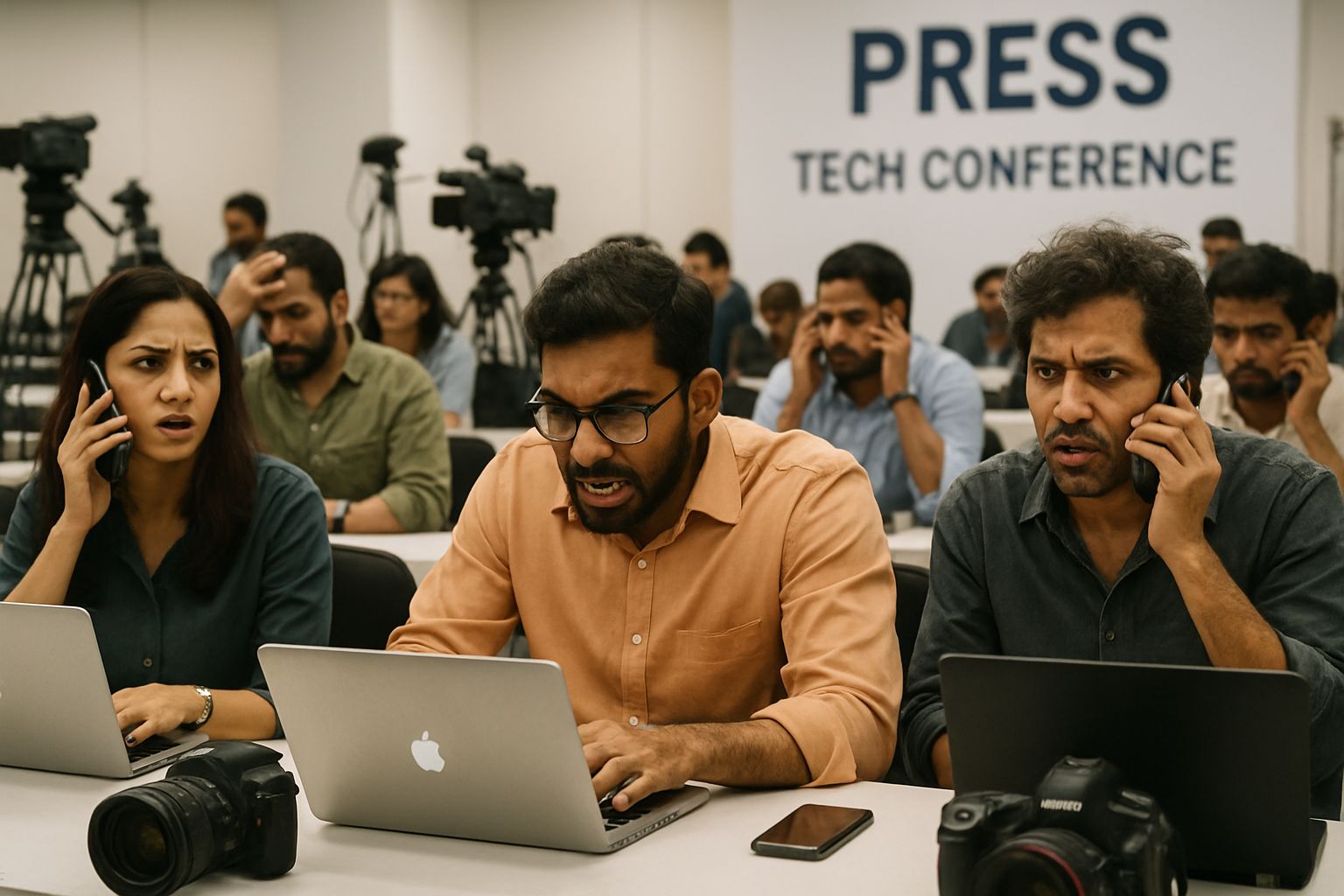
Exhibitor Priya Menon tweeted, “Gates are closed so could not access my own booth.” Her post captured the mood and amplified Summit Chaos across tech circles. Moreover, multiple halls were evacuated minutes before Prime Minister Narendra Modi arrived. Those evacuations pushed back morning panels by more than one hour.
Delegates also struggled to find drinking water stations inside the vast venue. In contrast, premium lounges reserved for CEOs remained well stocked and air-conditioned. Such visible inequality intensified complaints of mismanagement and poor leadership. The opening day therefore ended with several scheduled demos cancelled outright.
The first day revealed planning gaps that eroded attendee trust. Mismanagement overshadowed policy goals before discussions even began. Moving forward, security procedures deserve closer scrutiny.
Security Sweep Disruptions Mount
Security protocols followed G20 templates, yet implementation faltered. Furthermore, hall evacuations occurred with little notice, stranding thousands in corridors. Attendees reported pushing incidents as barricades shifted without clear signage. Meanwhile, mobile networks jammed whenever ministers walked through exhibition zones.
Organizers claimed mandatory “sterile corridors” protected visiting heads of state. However, exhibitors questioned why entire pavilions were shut for 40 minutes. Startups lost valuable investor meetings during those windows. Consequently, cost calculations for many small firms turned negative.
New Delhi officials later promised revised movement schedules to minimize disruption. Nevertheless, confusion persisted on day two because updated maps reached few delegates. Independent logistics expert Raghav Ahuja blamed poor inter-agency coordination. He warned future mega events could face similar Summit Chaos without unified command.
Security sweeps aimed at safety instead deepened frustration. Coordination breakdowns highlighted systemic leadership issues. The next section explores stakeholder reactions across business and civil society.
Stakeholder Reactions Remain Mixed
Reactions differed sharply between corporate giants and grassroots builders. Google CEO Sundar Pichai praised India’s vision despite initial hiccups. Additionally, Sam Altman called the summit “an essential Global South voice.” In contrast, several local founders publicly labelled the experience operational mismanagement.
Congress leader Mallikarjun Kharge seized the moment to criticise government priorities. He argued that Summit Chaos proved spectacle outweighed substance. Moreover, Kharge demanded accountability for wasted taxpayer funds. Government ministers dismissed the remarks as routine politics.
Civil society representatives expressed concern about accessibility for persons with disabilities. They reported ramps blocked by temporary fences during security rounds. Nevertheless, volunteers from non-profits quickly adjusted layouts after complaints. This swift response demonstrated grassroots leadership under pressure.
Responses revealed optimism about AI potential yet frustration over venue chaos. The divide underscored how politics shapes perception. Subsequently, financial announcements attempted to pull focus back to investment.
Investment Targets Questioned Widely
Day two featured high-profile pledges from cloud and semiconductor firms. Ashwini Vaishnaw promised 50,000 new GPUs within six months. Additionally, officials cited potential $200 billion data-centre investment. Analysts, however, warned targets lacked published term sheets.
Media tracked roughly $67 billion in earlier public commitments already announced. Therefore, the incremental value of fresh deals remained unclear. In contrast, startups sought smaller grants for compute vouchers. Many feared funding hype masked leadership gaps in ecosystem support.
Nvidia CEO Jensen Huang’s withdrawal raised further doubts. Moreover, Bill Gates disappeared from public schedules despite being in New Delhi. Such changes intensified questions about event credibility. Summit Chaos again dominated headlines instead of dollar figures.
Lofty targets excited investors yet lacked verification. Transparency must improve if momentum is to last. Up next, we explore the political narrative emerging from these developments.
Political Blame Game Intensifies
Political actors quickly weaponised the operational failures. Kharge gave three press conferences outside Parliament. Furthermore, he cited overcrowding and mismanagement as evidence of central neglect. BJP spokespersons retorted that opposition sought headlines over solutions.
Television debates in New Delhi featured heated exchanges between party strategists. Consequently, policy substance received limited airtime. Analysts noted that Summit Chaos provided fresh material for election season. Nevertheless, some moderates urged collaborative leadership to salvage summit outcomes.
International delegates appeared bemused by the domestic sparring. Moreover, several urged India to refocus on governance frameworks. Politics, they warned, could derail promising AI cooperation. Their feedback highlighted reputational stakes for host nations.
The blame game risks overshadowing substantive policy gains. Effective leadership will determine whether memories fade. Therefore, operational lessons demand urgent attention.
Operational Lessons For Future
Experts outlined immediate fixes during an evening debrief.
- Establish an integrated command centre to coordinate security notifications and emergency routes.
- Deploy redundant power and Wi-Fi nodes to stabilise ticketing and payment systems.
- Use crowd heat maps to optimise placement of food, water, and medical kiosks.
Moreover, session schedulers should avoid simultaneous high-profile arrivals. Such measures can prevent another episode of Summit Chaos. Professionals can enhance their expertise with the Chief AI Officer™ certification.
Event strategist Meera Doshi emphasised transparent communication dashboards. Consequently, stakeholders would receive live updates instead of rumours. Mismanagement, she argued, often grows when information flow stalls. Her comments reinforced calls for stronger operational frameworks.
Concrete recommendations now sit with MeitY and venue authorities. Implementation speed will signal commitment to improvement. Finally, we consider the summit’s long-term path.
Summit Path Forward Ahead
Despite early turmoil, sessions on health, agriculture, and climate produced actionable roadmaps. Moreover, Anthropic’s Dario Amodei urged India to apply AI for citizen services. Such proposals align with Prime Minister Modi’s human-centric vision. Therefore, success now depends on moving ideas from stage to pilot projects.
International observers still view India as a pivotal AI market. Nevertheless, reputational damage from Summit Chaos requires proactive repair. Coordinated leadership across ministries and industry could restore confidence before the next edition. Politics, however, may continue to influence narrative direction.
The 2026 India AI Impact Summit promised global collaboration yet stumbled at the starting line. Summit Chaos transformed logistical faults into a worldwide talking point. Nevertheless, the episode provides valuable lessons for organisers planning mega tech gatherings. Clear command structures, layered connectivity, and inclusive amenities form the bedrock of attendee satisfaction.
Moreover, separating politics from operational management shields reputations and enables meaningful dialogue. Stakeholders who embrace these insights will strengthen future events and national branding. Consequently, leaders should act quickly, adopt recommended playbooks, and pursue continuous improvement. Explore emerging best practices and elevate your leadership journey through industry certifications today.
Disclaimer: Some content may be AI-generated or assisted and is provided ‘as is’ for informational purposes only, without warranties of accuracy or completeness, and does not imply endorsement or affiliation.


