

AI CERTS
3 months ago
Voice Rights Clash: David Greene’s Lawsuit Against Google
The case pits personal identity against rapid artificial-speech innovation. Moreover, its outcome could reshape licensing models for AI audio products across media. Industry lawyers warn that copyright laws only partly address vocal likeness, leaving gray areas. Therefore, stakeholders now watch whether courts expand protection or affirm existing boundaries. This article unpacks the facts, precedent, technology, and stakes behind the Voice Rights clash.
Greene Files Bold Complaint
David Greene spent eight years anchoring NPR’s Morning Edition, reaching millions daily. In January, the longtime host heard NotebookLM’s male guide and felt a chill. Listeners texted, asking whether he had licensed the voice for corporate use.
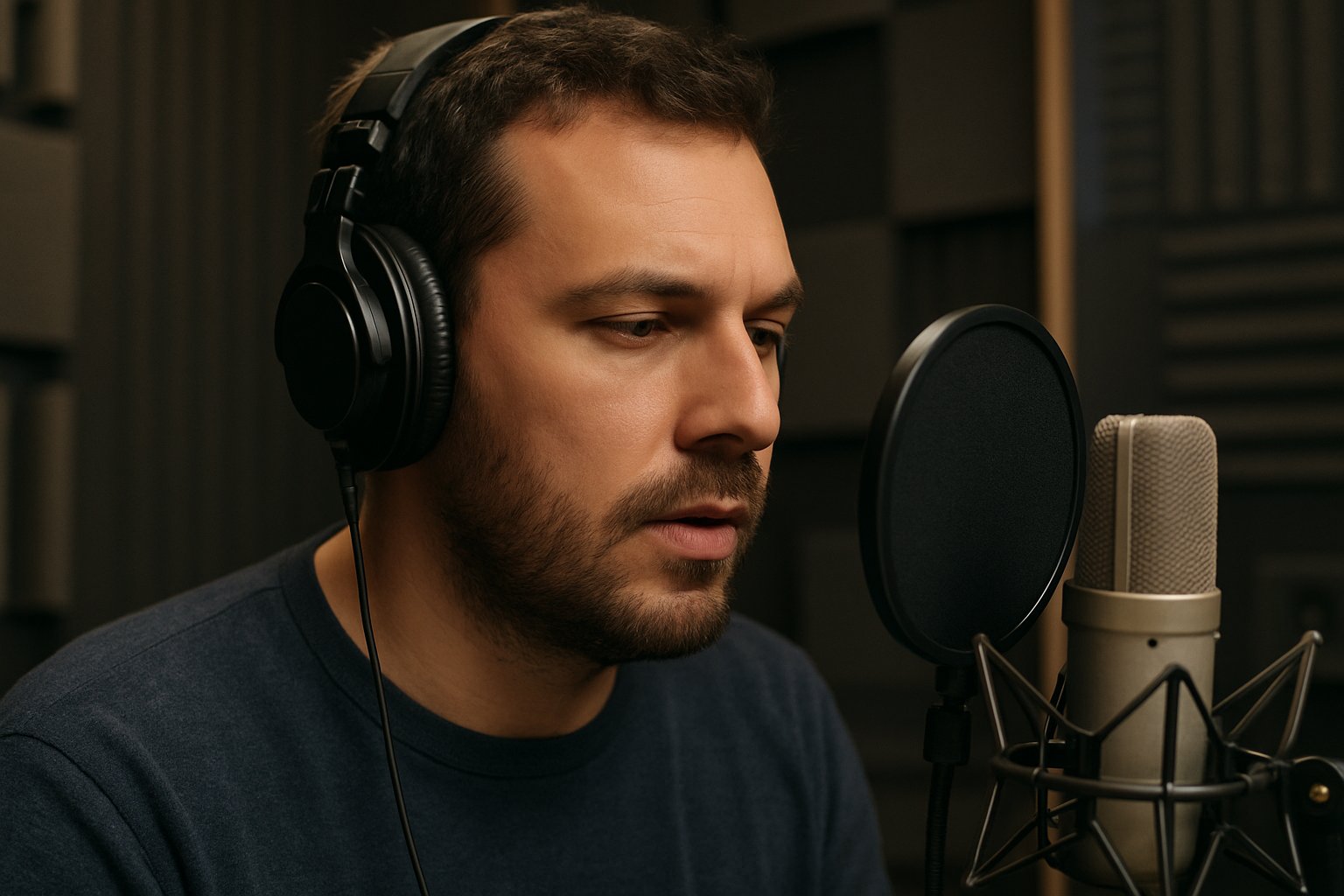
Subsequently, Greene’s counsel at Boies Schiller Flexner filed a 27-page complaint in Santa Clara County. The filing accuses Google of commercial appropriation, right-of-publicity violations, and unfair competition. Importantly, no copyright claim appears because ownership of raw voice timbre remains murky.
The complaint cites an unnamed forensic firm that assigned 53–60 percent similarity between Greene and the AI voice. Greene argues that score proves misappropriation and demands damages plus product changes.
These allegations spotlight Voice Rights beyond classic likeness rules. However, Google’s stance remains uncompromising; the next section details its rebuttal.
Google Issues Firm Denial
A company spokesperson, José Castañeda, quickly labeled the claims “baseless”. He said the contested voice originated from a paid professional actor, not Greene’s archives. Furthermore, Google stated that NotebookLM contains no training data from NPR broadcasts.
Industry insiders suggest the company will present actor contracts, invoices, and studio logs during discovery. Such documentation could undercut Greene’s similarity evidence by demonstrating independent creation. Furthermore, the company insists it respects Voice Rights for all creators.
Nevertheless, many Morning Edition fans insist the AI voice sounds remarkably familiar. The firm must therefore balance technical defenses with reputational risk management. The lawsuit could set standards for synthetic speech disclosures across the industry.
Google’s categorical denial frames a clear courtroom conflict. Meanwhile, the reliability of forensic evidence will shape the narrative that follows.
Forensic Evidence Under Scrutiny
Audio-similarity tools compare spectral features, pitch contours, and prosody across samples. However, experts caution that single percentage figures can mislead lay observers. Variables like microphone quality, codec compression, and duration strongly sway scores.
Cornell’s James Grimmelmann notes that courts rarely accept algorithmic conclusions without transparent methodology. Consequently, Greene’s team may need the unnamed firm to release detailed protocols and error rates.
Potential discovery questions include training databases, calibration baselines, and cross-model validation procedures. Moreover, judges often require human listener tests to supplement machine metrics in voice cases.
- Lack of standardized benchmarks for synthetic-to-human comparisons
- Channel mismatch between radio archives and NotebookLM output
- Absence of publicly accessible reference audio
These technical gaps could weaken Greene’s statistical narrative if left unaddressed. Robust evidence is essential for advancing Voice Rights claims grounded in science. The legal framework offers further guidance, as the following precedents reveal.
Legal Precedents Guide Debate
California recognizes a right to control commercial use of one’s voice under Civil Code 3344. Midler v. Ford, a 1988 Ninth Circuit decision, remains the marquee voice-imitation precedent. In that case, Bette Midler succeeded after advertisers hired a sound-alike for a car commercial. Traditional copyright focuses on fixed works, not raw vocal traits.
Courts asked whether ordinary listeners identified the imitation as Midler and whether the use was commercial. Similarly, Greene must show NotebookLM’s voice leads reasonable users to believe he endorsed the product. Additionally, he must prove economic loss or reputational harm arising from missing permission.
Defendants often invoke First Amendment or transformative use defenses when AI synthesizes new speech. However, those defenses weaken if the speech markets itself using a recognizable persona for profit.
- Is the voice “distinctive” under precedent?
- Did NotebookLM generate revenue with that voice?
- Could users reasonably confuse the identity?
Precedent shapes yet does not predetermine novel Voice Rights disputes. Technical considerations continue influencing those doctrinal limits, explored next.
Technical Voice Cloning Limits
Neural text-to-speech models can imitate timbre with as little as 30 seconds of training audio. Moreover, public podcasts supply abundant raw material for unscrupulous developers. Google insists its pipeline instead relies on contracted performers and proprietary style tokens. Effective safeguards can uphold Voice Rights without halting research.
Researchers report equal-error rates below 5% when matching speakers under controlled lab settings. However, real-world mismatches push error upward, complicating attribution. Consequently, regulators debate whether provenance logs should accompany synthetic voices by default.
Professionals can deepen compliance skills through the AI Legal Strategist™ certification. Such programs cover consent frameworks and Voice Rights governance.
Technical realities reveal both progress and persistent uncertainty. These uncertainties elevate the commercial stakes outlined below.
Industry Stakes And Next Steps
Streaming firms increasingly rely on synthetic hosts for personalized playlists and news briefings. Consequently, any ruling favoring Greene could require sweeping licensing audits. Start-ups might face heavier compliance costs or shift to user-provided voices only. Investors worry that a pro-plaintiff lawsuit verdict may inflate compliance budgets.
In contrast, a defense victory may embolden wider deployment but heighten creator distrust. Advertisers already recall backlash after earlier sound-alike campaigns prompted litigation. Moreover, policymakers may seek statutory Voice Rights updates if courts appear divided.
Stakeholders should monitor discovery milestones, including audio releases and contract disclosures. Subsequently, mediation remains possible, especially if reputational exposure grows.
Commercial uncertainty keeps executives awake as Voice Rights questions linger. The following section distills practical takeaways.
Future Outlook And Takeaways
Voice cloning has crossed from novelty to courtroom battleground. Greene’s lawsuit underscores the tension between creativity and control. However, clear proof remains essential for plaintiffs seeking relief. Google’s defense will hinge on actor documentation and model provenance. Meanwhile, legislators and technologists weigh whether existing doctrine fully protects Voice Rights. Consequently, professionals should track this case, study precedents, and secure informed compliance training. Consider enrolling in the linked certification to navigate impending synthetic-speech regulations. The voice economy is expanding; responsible actors must ensure permission, transparency, and fair compensation.
Disclaimer: Some content may be AI-generated or assisted and is provided ‘as is’ for informational purposes only, without warranties of accuracy or completeness, and does not imply endorsement or affiliation.


