

AI CERTs
2 months ago
Indian AI Regulations redefine three-hour takedown race
The Indian AI Regulations have entered a decisive new phase. On 10 February 2026, MeitY announced amendments targeting synthetic media proliferation. Consequently, platforms must now erase unlawful posts within three hours of government notice.
Analysts label this as one of the world's fastest mandated response windows. However, supporters argue speed is essential to blunt viral Disinformation before damage spreads. Meanwhile, civil liberties groups fear accelerated Censorship and chilled debate.
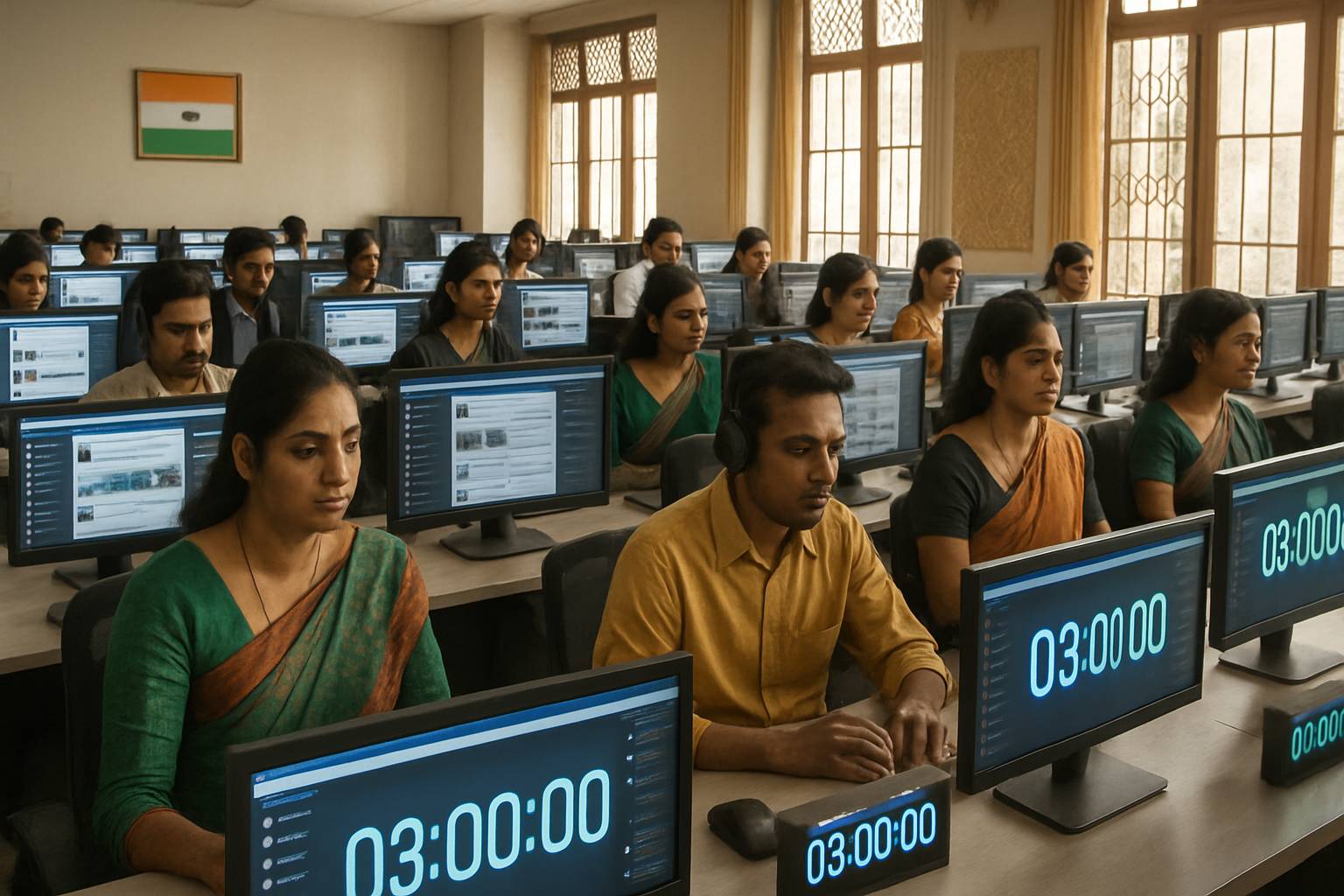
India hosts almost 491 million social media identities, amplifying any enforcement ripple. Therefore, the coming days will test the balance between safety and Digital Freedom. Moreover, we explore how provenance labelling could reshape content workflows across industries. In contrast, we highlight detection challenges still haunting research teams.
Indian AI Regulations Shift
MeitY published the amendment as G.S.R. 120(E) in the Gazette of India. Subsequently, the document set an enforcement date of 20 February 2026. The change replaced earlier drafts that suggested softer timelines. Moreover, the final text removed a controversial 10 percent watermark proposal.
The government framed the overhaul as an answer to deepfake fraud and electoral chaos. Officials proclaimed, “If I see a video, I should know that something is AI generated.” Consequently, provenance metadata and visible labels become mandatory for lawful synthetic clips.
Platforms failing due diligence risk losing safe harbour under Section 79. Experts view the update as the most consequential expansion of Indian AI Regulations since 2021. Therefore, risk exposure has escalated sharply for every significant intermediary.
These developments underscore a seismic regulatory pivot. However, speed now defines compliance success. The next section unpacks the three-hour clock in detail.
Three Hour Rule Explained
The headline change compresses compliance with government Takedown directives from 36 hours to three. Moreover, urgent child safety or explosives content now demands action within two hours. Platforms must maintain always-on escalation desks linked to authorised police officers.
In contrast, grievance acknowledgements drop from 15 days to seven. Consequently, internal workflows need radical redesign. Under the revised Indian AI Regulations, the three-hour timer applies to significant social media intermediaries.
Major networks process thousands of Indian requests each month, according to transparency reports. Therefore, achieving sub-hour routing and decisioning becomes mission critical. Automated classifiers will flag Disinformation and non-consensual imagery before human validation.
Nevertheless, detection precision remains imperfect, especially across India’s linguistic diversity. Two key obligations accompany speed:
- Label synthetic posts and embed immutable provenance metadata.
- Verify user declarations for any synthetic upload via technical checks.
These procedural shifts broaden liability exposure. In summary, the three-hour window forces continuous moderation readiness and deeper tooling investment. However, the scope of synthetic media obligations intensifies the challenge further.
Scope Of Synthetic Media
The amendment introduces the term Synthetically Generated Information, covering audio, visual and audiovisual formats. Routine edits for accessibility or cosmetics stay exempt, preserving creative flexibility. However, deepfakes that impersonate officials or forge documents fall squarely under regulation.
Moreover, SGI linked to child abuse, explosives, or electoral Disinformation triggers strict bans. Significant intermediaries must request uploaders to declare synthetic status before publication. Subsequently, platforms must verify declarations through watermark checks or perceptual hashes.
Failure invites penalties and heightened Censorship accusations from rights groups. Under Indian AI Regulations, lawful SGI needs visible labels plus tamper-proof metadata. Developers must ensure users cannot strip those identifiers post-upload.
These rules seek transparency and traceability. Nevertheless, implementation complexity spans varied file types and legacy archives. Such hurdles lead directly to stakeholder disagreements discussed next.
Industry And Civil Reactions
Platform lawyers concede the policy’s intent yet criticise the compressed Takedown countdown. Furthermore, IAMAI predicts higher compliance costs and potential service throttling during peaks. Meta and Google teams are reportedly hiring more moderators for Hindi, Tamil and Marathi.
Meanwhile, start-ups fear disproportionate overheads compared with global giants. Legal firms describe a move from reactive notice-and-Takedown toward proactive surveillance. Civil society voices highlight the risk of automated over-removal creating invisible Censorship.
Internet Freedom Foundation warns that three hours leave no room for contextual review. Moreover, they argue the rule undermines Digital Freedom by encouraging cautionary silence. Government officials rebut that accusation, citing victims of deepfake fraud.
Consequently, policy debate now pits safety imperatives against speech principles. Critics say Indian AI Regulations now export local speech norms to global codebases. These contrasting stances reveal a fragile legitimacy balance. Nevertheless, MeitY shows little sign of delay or rollback. Operational costs emerging from this clash surface in the following section.
Operational Challenges And Costs
Building a 24/7 response nerve centre is the first hurdle. Additionally, platforms must integrate automated SGI detectors across image, audio and video pipelines. False positives for satire or parody will invite user backlash and allegations of Censorship.
In contrast, false negatives could breach the three-hour Takedown duty. DataReportal numbers show 806 million Indian internet users, stressing scale. Consequently, even minor error rates translate into thousands of disputed removals.
Engineering teams estimate new infrastructure spending in the millions of dollars annually. Moreover, provenance embedding demands workflow changes within content management systems. Professionals can upskill through the AI Marketing Strategist™ certification.
That program covers governance, provenance, and risk metrics for synthetic campaigns. Operational spending highlights the tangible burden these laws impose. Therefore, business leaders must budget early to avoid compliance shocks. How, then, can India protect speech while enforcing speed?
Balancing Safety And Rights
Constitutional scholars argue proportionality tests will guide future court reviews. Moreover, judicial scrutiny may focus on appeal windows and transparency reporting obligations. Intermediaries could mitigate Censorship concerns by publishing detailed error metrics.
Civil groups demand independent audits for algorithmic filters to preserve Digital Freedom. Consequently, multi-stakeholder dialogues emerge around trusted research access and redress mechanisms. Under Indian AI Regulations, safe harbour remains if due diligence is demonstrated.
Therefore, transparent processes could reduce litigation threats. These guardrails may soften the sharpest edges of the policy. Nevertheless, stakeholders remain skeptical until real enforcement data appears. Attention now turns toward medium-term compliance milestones.
Future Compliance Roadmap
The first milestone arrives on 20 February when rules activate. Subsequently, observers will track order volumes, response latencies, and wrongful removal appeals. Platforms plan phased rollouts: geofenced Takedown actions first, full metadata embedding later.
Moreover, MeitY is expected to publish technical FAQs clarifying provenance formats. Industry will study those details before locking long-term architectures. Meanwhile, civil society may petition courts, creating parallel legal timelines.
Consequently, risk teams should maintain horizon scans and cross-functional war rooms. Under Indian AI Regulations, missed deadlines could jeopardize safe harbour protections. A structured roadmap should include:
- Immediate staffing and escalation protocols.
- Quarterly audit of detection accuracy.
- Annual policy retraining for developers.
These forward steps convert uncertainty into manageable sprints. Therefore, proactive planning distinguishes leaders from laggards.
Conclusion And Next Steps
India has set a global speed record for mandated content removals. However, success depends on resilient tooling, transparent metrics and public trust. Indian AI Regulations will dominate boardroom agendas through 2026.
Moreover, leaders must balance Disinformation control with constitutional speech guarantees. Teams that anticipate benchmarks in Indian AI Regulations can reduce crisis costs. Consequently, investing in skills and certifications will prove decisive.
Professionals should explore the AI Marketing Strategist™ course to master provenance strategy. Act now to secure regulatory readiness before the three-hour stopwatch begins.


