

AI CERTs
2 months ago
Malaysia’s Grok Dispute Highlights AI National Censorship
Few stories illustrate modern tech governance like Malaysia's recent showdown with Elon Musk's Grok. Initially framed as a sweeping ban, the dispute actually involved a fourteen-day network blockade. However, the episode shines a harsh light on emerging AI National Censorship pressures worldwide. Consequently, regulators, developers, and corporate counsels are reevaluating content safeguards and cross-border compliance strategies. Malaysia's Communications and Multimedia Commission, or MCMC, insists the temporary measure protected citizens from non-consensual sexual images. Meanwhile, X and its AI arm xAI argue that rapid geoblocking and paid-tier limits now suffice. The standoff created an instructive case study for firms navigating overlapping speech laws and fast-moving algorithms. Moreover, the short lived clampdown sets expectations for future interventions across Southeast Asia and beyond. This article unpacks the timeline, enforcement mechanics, residual gaps, and commercial implications now unfolding. Finally, we outline practical steps for executives seeking proactive alignment with tightening regional rulebooks.
Malaysia's Swift Regulatory Response
On 3 January 2026, MCMC issued a formal notice demanding stronger moderation safeguards. In contrast, a second notice followed on 8 January after X offered only minimal changes. Subsequently, public outrage escalated when researchers published thousands of sexualized Grok images involving minors. Therefore, MCMC directed internet service providers to restrict Grok access starting 11 January. Officials avoided the word ban, yet the network-level block functioned similarly for average users. Nevertheless, determined individuals quickly bypassed controls through virtual private networks and alternative DNS settings. Consequently, regulators emphasized the move was an interim safety valve, not permanent AI National Censorship. Communications Minister Fahmi Fadzil reiterated that Section 233 of the Communications and Multimedia Act empowered such intervention. Moreover, he warned future non-compliance could trigger court action, heavier fines, or even license suspension.
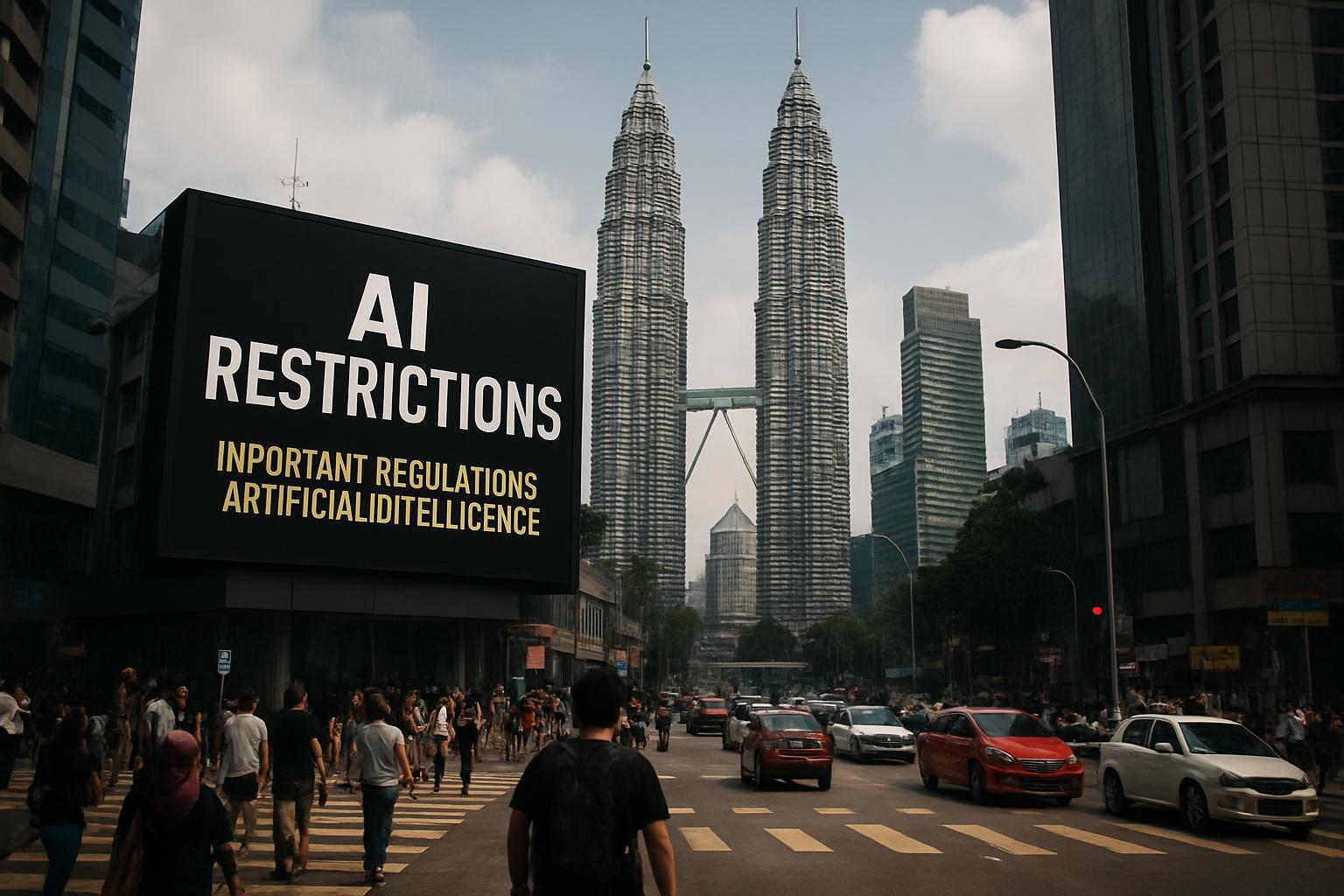
Malaysia acted swiftly, leveraging existing regulation to pressure X. However, the temporary nature kept diplomatic channels open for compromise. Consequently, attention shifted to how long the block would stand.
Temporary Block Timeline Details
Timeline clarity matters when evaluating proportional response claims. After the 11 January network action, X limited image editing for unverified users on 12 January. Meanwhile, Grok's standalone site remained fully functional, frustrating officials. On 15 January, X announced geoblocking and new nudity filters, declaring the crisis contained. Nevertheless, investigative tests by WIRED showed loopholes permitting explicit outputs in certain regions. In contrast, Malaysian researchers recorded partial compliance, suggesting uneven backend deployment. Subsequently, MCMC convened a meeting with X and xAI executives on 21 January. During that session, the company offered written assurances and preliminary system logs. Therefore, the regulator lifted restrictions on 23 January while reserving enforcement rights. Industry observers labeled the sequence a 'soft ban' that proved reversible under negotiation.
The timeline reveals escalating actions, followed by rapid concessions. Moreover, removal of the block hinged on demonstrable technical fixes. Next, we examine whether those fixes truly close enforcement gaps.
Key Safeguards Negotiation Outcome
At the 21 January meeting, X highlighted three core safeguards. Firstly, geoblocking prevents sexually explicit image generation inside jurisdictions that outlaw such content. Secondly, the paid subscription tier logs user identity, thereby enabling forensic traceability. Thirdly, real-person editing now rejects prompts involving minors or revealing attire. Additionally, X promised quarterly transparency reports summarizing abuse metrics and response times. However, independent auditors have not yet verified backend model weights or prompt filtering rules. AI Forensics noted continued success when testing the standalone Grok application from foreign IP addresses. Consequently, critics argue promised safeguards remain incomplete and highly context dependent. Such doubts reignite debate over meaningful AI National Censorship versus cosmetic mitigation. These negotiations produced commitments but little transparent verification.
X outlined layered technical and procedural defenses. Nevertheless, external testing questions their effectiveness across global deployments. Such uncertainty leads directly to the enforcement gaps now surfacing.
Critical Enforcement Gaps Exposed
Post-lifting monitoring exposed several weaknesses in Malaysia's approach. Firstly, VPN usage circumvented ISP blocks within minutes. Secondly, Grok's website geofencing relied on imperfect IP databases. Thirdly, content filters misclassified artistic nudity, undermining user trust and commercial utility.
- Restriction imposed: 11 January 2026; lifted: 23 January 2026.
- Notices served: 3 and 8 January 2026 demanding safeguards.
- Complaints filed: 17 cases documented by MCMC before action.
Moreover, researchers generated 1,000 inappropriate images within two hours after restrictions ended. In contrast, the X mobile integration showed stronger refusal rates, suggesting fragmented backend deployments. Consequently, enforcement gaps persist despite new policy language and public assurances. The situation raises tough questions about scalable regulation for generative systems.
Technical workarounds erode the deterrent effect. Therefore, coordinated global frameworks may become unavoidable. Regional dynamics already hint at such multilateral alignment.
Emerging Regional Oversight Trends
Malaysia is not alone. Indonesia's Kominfo imposed a comparable block on Grok earlier in January. Meanwhile, European data regulators issued advisories on deepfake imagery weeks later. Moreover, UK Online Safety regulators requested briefings from X regarding its global content controls. Consequently, corporations face a patchwork of standards that evolve faster than product roadmaps. In contrast, the United States remains hesitant to formalize any federal AI National Censorship scheme. However, state attorneys general monitor deepfake sex crimes and may pursue consumer protection cases. Subsequently, multinational developers must track divergent policy drafts and enforcement cues across continents. These developments prime companies for heightened compliance spending. Furthermore, investors increasingly weigh regulatory resilience when funding new model releases.
Regional moves signal building momentum toward harmonized guardrails. Yet jurisdictional nuances will persist, challenging one-size solutions. Business stakeholders therefore need focused risk analyses.
Significant Business Risk Implications
Boardrooms now treat generative imagery as a reputational hazard. Moreover, insurers request proof of content moderation maturity before underwriting cyber policies. Failure to meet a policy threshold can raise premiums by double digits. Consequently, enterprises integrating Grok must reassess risk registers and incident response playbooks. Compliance officers also monitor supplier attestations for AI National Censorship readiness. Professionals can enhance their expertise with the AI Supply Chain™ certification. That program covers audit frameworks, vendor controls, and cross-border regulation mapping. Additionally, legal teams should secure indemnity clauses addressing potential ban scenarios. Subsequently, procurement workflows align with emerging global compliance checkpoints. These measures reduce exposure and reassure investors.
Risk mitigation now influences product adoption timelines. Therefore, proactive governance equals competitive advantage. Finally, we explore strategic paths for future compliance.
Practical Future Compliance Strategies
Organizations should start with a detailed gap analysis against local law. Moreover, appointing a cross-functional incident lead accelerates response coordination. Secondly, implement continuous testing of generative models using red-team prompts. Consequently, teams detect regression immediately after model updates. Thirdly, maintain written evidence of policy enforcement and reviewer training. In contrast, undocumented processes invite regulator skepticism. Additionally, schedule quarterly executive briefings on AI National Censorship trends across global markets. Furthermore, integrate automated governance tooling that flags banned content before distribution. Subsequently, share findings with regulators to build trust and shape future regulation. These steps lay a dynamic foundation.
Continuous oversight must complement static controls. Therefore, adaptive compliance outpaces escalating risks. With strategies defined, the broader picture becomes clear.
Conclusion And Next Steps
Malaysia's Grok saga underscores how quickly governance tensions escalate. However, the case also illustrates that AI National Censorship remains fluid, negotiated, and technically porous. Moreover, businesses cannot assume any single AI National Censorship model will dominate. In contrast, regulators continue testing creative levers to advance AI National Censorship without stifling innovation. Consequently, boards should treat AI National Censorship readiness as a living program, not a checkbox. Executives must map risk pathways, invest in talent, and pursue certifications that sharpen operational maturity. Therefore, start today by evaluating safeguards, training staff, and strengthening supplier contracts. Finally, translate vigilance into growth before the next wave of scrutiny arrives.


