

AI CERTs
3 months ago
AI Security Spotlight: Otter.ai Zoom Recording Lawsuit
Calendar integrations promise seamless productivity. However, automation sometimes outruns legal safeguards. In August 2025, multiple plaintiffs filed a high-profile class action targeting Otter.ai. They claim the company’s virtual assistant secretly transcribed private video conferences without universal consent. Consequently, the case, now called In re Otter.AI Privacy Litigation, tests compliance boundaries for AI Security in collaborative workplaces. With roughly twenty million users and major enterprise footholds, Otter.ai faces intense scrutiny. Regulators, lawyers, and corporate risk teams are watching because speech data often reveals confidential strategies, trade secrets, and personal information. Furthermore, the dispute highlights uneven United States consent laws that challenge cross-state operations. Business leaders must therefore grasp technical, legal, and ethical dimensions before relying on automated note-takers. This article examines allegations, statutes, data practices, corporate defenses, and future implications. Professionals will gain actionable insights to reduce exposure while preserving collaboration efficiency.
Otter Assistant Allegations Rise
Otter Notetaker enters meetings as a virtual participant after users link calendars. Consequently, the tool streams every spoken word to Otter servers for real-time transcription. Plaintiffs argue that non-user attendees never agreed to this secret recording. Moreover, complaints allege the transcripts feed machine-learning pipelines despite vague opt-in language. Brewer v. Otter.ai cites a February 24, 2025 Zoom session where a non-user’s confidential sales roadmap was captured. In contrast, Otter states hosts must alert participants and can disable auto-join. Nevertheless, Reddit anecdotes reveal many workers discovered transcripts only after receiving unexpected email summaries. Industry analysts describe the pattern as workplace surveillance masquerading as productivity. The consolidated lawsuit seeks statutory damages under federal wiretap law and California’s CIPA, potentially multiplying financial exposure.
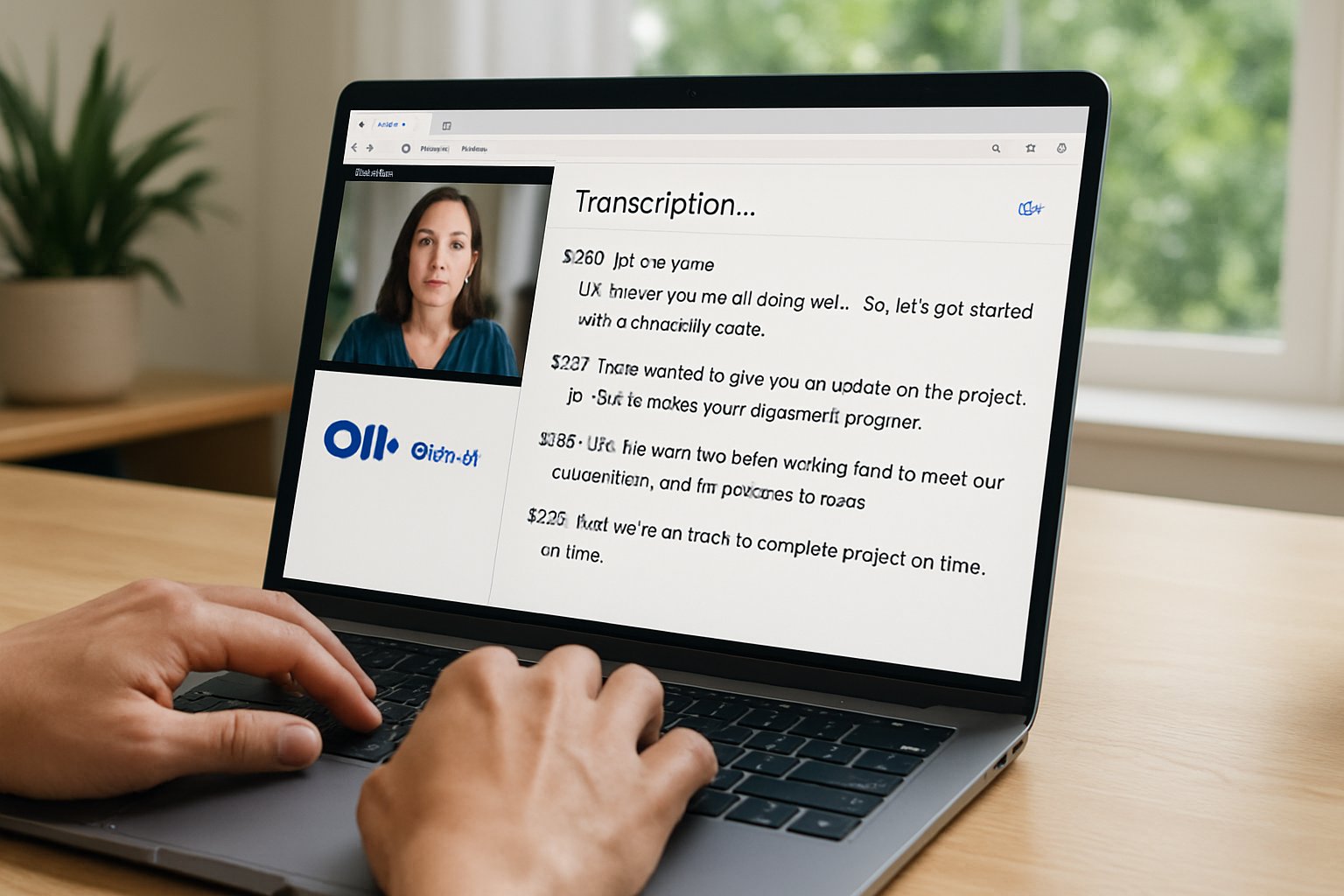
These allegations show serious AI Security notice failures and reputational risks. However, deeper legal questions determine ultimate liability.
Understanding consent statutes clarifies why the litigation has gained momentum.
Consent Laws At Stake
United States wiretap law allows one-party consent in many jurisdictions. However, California requires agreement from every participant before any electronic recording. Plaintiffs argue Otter.ai ignored this stricter framework. Therefore, the company could face $5,000 statutory damages per violation under CIPA. Furthermore, the Electronic Communications Privacy Act bars third-party interception for commercial gain without permission. Courts must decide whether a virtual assistant counts as a distinct interceptor. Additionally, experts question whether corporate hosts can legally extend consent on behalf of unaware invitees. These statutory nuances create a complex compliance maze for AI Security vendors.
Regulators will scrutinize AI Security as businesses configure meeting tools across state lines. Consequently, governance teams cannot rely on blanket policies alone.
Technical handling of captured data further influences exposure.
Technical Data Practices
Otter.ai stores transcripts in the cloud to power search, summaries, and model improvements. Moreover, company documentation says raw audio remains inaccessible unless users opt-in or need troubleshooting. Plaintiffs counter that hosts seldom understand default retention timelines. Consequently, they allege transcripts and voiceprints contribute to training even when participants object. Meanwhile, critics argue de-identification can fail because models memorize rare phrases.
De-Identification Claims Disputed
Otter.ai states it strips personal identifiers before using data. Nevertheless, researchers demonstrate that contextual clues can re-identify speakers. In contrast, privacy advocates warn that enterprise conversations include trade secrets impossible to sanitize fully. Therefore, experts recommend external audits verifying deletion protocols and minimising surveillance scope.
- 20 million reported users create vast transcript libraries.
- One university banned Otter in 2024 over all-party consent worries.
- $100 million estimated annual revenue highlights commercial incentives.
These technical debates expose gaps between marketing claims and operational realities. However, transparent audits could rebuild trust.
Corporate and legal responses reveal how stakeholders weigh reputation against functionality.
Corporate AI Security Responses
Otter.ai publicly insists it values user privacy and opposes unauthorized surveillance. Additionally, the company urges hosts to announce the assistant and toggle consent features. Meanwhile, defense counsel may argue that account-holder authorization satisfies federal one-party standards. Moreover, they will likely cite enterprise dashboards offering granular opt-outs. Nevertheless, analysts caution that juries can view profit motives as disregard for AI Security.
On the plaintiff side, interim co-lead counsel aims to force discovery into training repositories. Consequently, internal emails could reveal awareness of recording risks. If courts grant class certification, the lawsuit may drive damages exceeding hundreds of millions.
Public statements show a balancing act between transparency and liability. Therefore, forthcoming filings deserve close monitoring.
Companies using meeting assistants must act now to mitigate fallout.
Enterprise Risk Mitigation
Corporate compliance teams can adopt layered safeguards. Firstly, update meeting policies to require explicit audio consent banners. Secondly, disable auto-join features until statewide notice thresholds are confirmed. Furthermore, deploy Data Loss Prevention tools that detect unauthorized recording bots. Additionally, contract clauses should prohibit vendors from retaining conversation data for model training unless independently approved. Professionals can enhance their expertise with the Chief AI Officer™ certification.
Key mitigation steps include:
- Map conference workflows against all-party consent statutes.
- Audit assistant logs for unauthorized surveillance incidents.
- Require written assurances aligning with AI Security frameworks.
Proactive controls reduce exposure before any lawsuit emerges. However, continual AI Security monitoring remains essential.
The final section explores broader industry precedents.
Future Litigation Implications
Courts will soon address whether a software agent counts as a party under consent statutes. Moreover, rulings could shape precedent for countless productivity plug-ins. Consequently, vendors across verticals must embed AI Security reviews early in product design. In contrast, delaying safeguards invites plaintiff counsel to frame every unauthorized recording as willful misconduct. Meanwhile, regulators may adopt stricter disclosure rules mirroring biometric statutes.
Investors also track outcomes. Therefore, companies with large speech datasets may face valuation swings once liabilities crystallize. Nevertheless, clear governance paired with certified leadership reduces downside risk.
Legal interpretations will ripple through collaboration ecosystems for years. Consequently, informed leaders must engage counsel and engineers now.
The Otter.ai dispute underscores mounting tension between innovation and accountability. Moreover, consent gaps, data retention questions, and cross-state statutes create complex challenges. AI Security, surveillance, privacy, recording, and lawsuit considerations now converge inside every conference link. Therefore, organizations should strengthen policies, audit technical settings, and pursue continuous education. The Chief AI Officer™ pathway equips executives to navigate evolving regulations and engineer transparent systems. Consequently, proactive leadership can safeguard trust while preserving productivity gains. Act now, review your meeting assistant configurations, and explore accredited training to protect stakeholders and stay compliant.
Disclaimer: Some content may be AI-generated or assisted and is provided ‘as is’ for informational purposes only, without warranties of accuracy or completeness, and does not imply endorsement or affiliation.


