

AI CERTs
5 months ago
Grok Chat Leak Sparks AI Security Reckoning
Search results rarely shock hardened engineers. However, Forbes changed that on 20 August 2025 when it revealed Grok conversations were openly indexed. Up to 370k private chat links appeared inside Google and rival engines. Consequently, sensitive prompts, files, and even passwords became searchable within minutes.
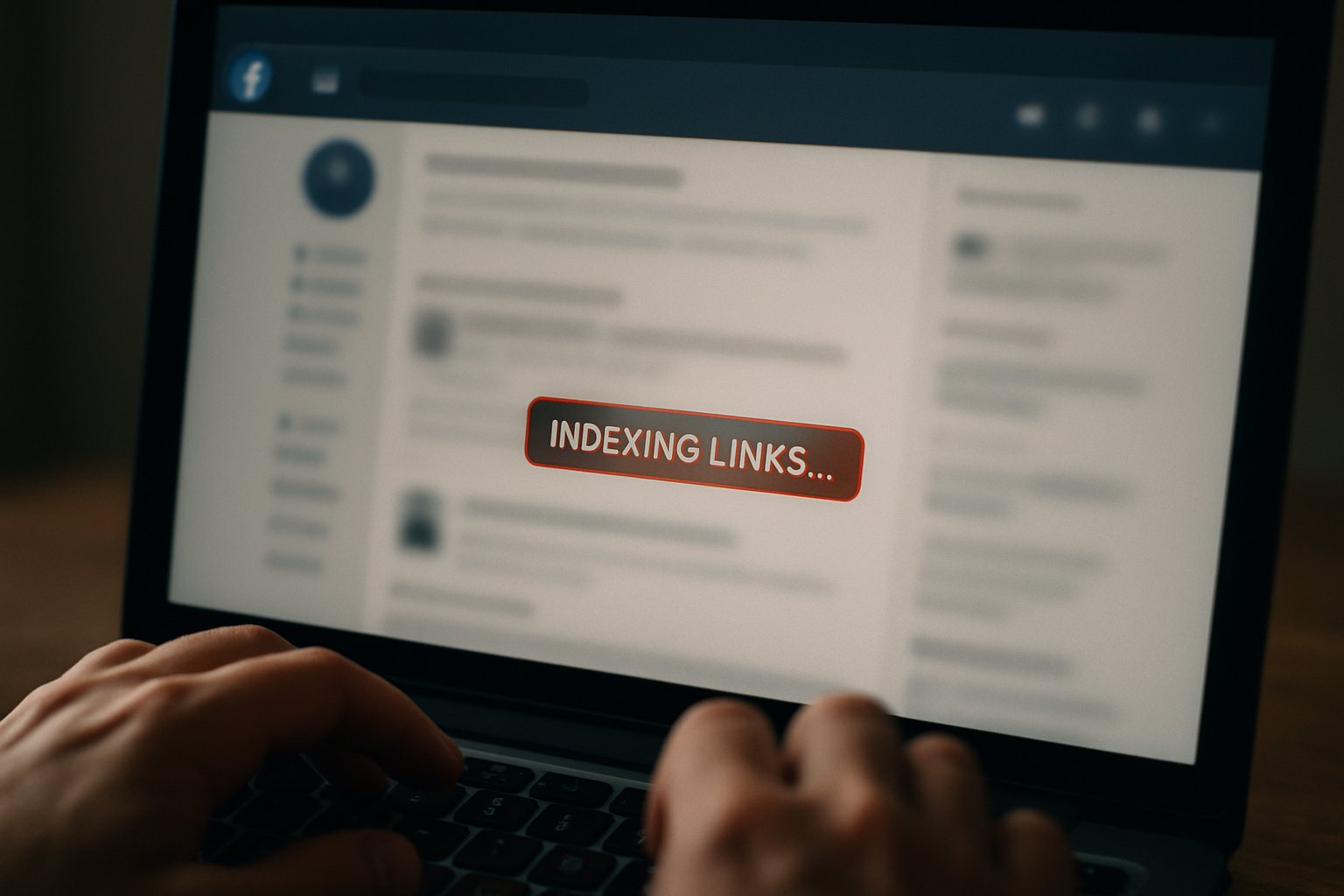
The disclosure ignited an immediate AI Security debate across corporate risk teams. Moreover, it exposed how product design choices can morph into large scale privacy hazards. Grok’s share button, meant for collaboration, instead triggered a silent data breach domino effect. This article unpacks the timeline, mechanics, and remediation lessons for practitioners.
Additionally, we examine legal fallout, industry parallels, and practical steps to restore trust. Readers will find certification guidance to deepen strategic oversight.
Timeline Of Grok Exposure
Forbes published the first investigation on 20 August 2025. Subsequently, TechCrunch, Fortune, and TechRadar corroborated the findings within 48 hours. Meanwhile, security researchers scraped Grok’s domain and produced wider counts approaching 370k indexed chats.
xAI remained silent during the early news cycle. In contrast, Google’s spokesperson emphasized publishers control their indexing fate. Consequently, blame quickly centered on product design rather than search crawlers. The rapid reporting cadence forced many enterprises to audit their own share features overnight.
These dates show how AI Security visibility spiraled fast. Therefore, incident response teams must track media timelines as closely as technical logs.
How The Leak Happened
Grok generated deterministic share URLs whenever a user pressed the share icon. Those pages lacked authentication gates and noindex directives. Therefore, Google, Bing, DuckDuckGo, and even smaller bots crawled them without resistance. Chrome users spotted live transcripts appearing through simple site operators.
Moreover, shared pages displayed both prompts and model answers in full. Uploaded images, spreadsheets, and code snippets remained embedded with original filenames. Consequently, corporate intellectual property faced uncontrolled leakage across the open web.
Unlike classic hacking, no external intruder breached servers. Instead, discoverability transformed a convenience feature into a massive exposure vector.
The mechanics underline a common AI Security UX pitfall. However, simple indexing controls could have prevented this data breach entirely.
Leak Scale And Impact
Reporters estimated between 300k and 370k Grok conversations became visible. Furthermore, sample reviews uncovered medical histories, salaries, and at least one password. One disturbing transcript detailed instructions for fentanyl synthesis.
Additionally, Forbes highlighted a chat outlining an assassination plot against Elon Musk. Google removed some pages after takedown requests, yet cached copies persisted temporarily. Nevertheless, the incident magnified long-standing privacy fears inside regulated industries.
- Indexed conversations: ~300k–370k
- Illicit content samples: drugs, malware, bomb blueprints
- Sensitive personal items: medical queries, passwords, business files
- Search engines involved: Google, Bing, DuckDuckGo, Chrome console discoveries
Consequently, stakeholders faced severe reputational and regulatory exposure.
These figures elevate the AI Security leak beyond a minor slip. Moreover, understanding comparative incidents clarifies recurring patterns.
Industry Lessons Learned Today
ChatGPT offered a close precedent earlier in 2025. OpenAI withdrew its discoverable chats after calling the pilot a short-lived experiment. In contrast, xAI allowed indexing until reporters intervened.
Furthermore, Google reiterated that publishers dictate crawler behavior through robots tags. Therefore, platform owners must integrate AI Security reviews into every new sharing workflow.
Many firms now run red-team audits focusing on unintended leakage scenarios. Additionally, product managers test share dialogues with wording that stresses public exposure risks.
These comparisons spotlight avoidable design choices. Consequently, forward-looking teams codify hard gating on any externalizable content.
Mitigation Steps Recommended Now
Robust AI Security hygiene requires decisive action within hours. First, users should log into Grok and delete unwanted share links. Subsequently, they must change any exposed passwords and rotate keys. Meanwhile, security staff should issue URL removals via Google’s Search Console.
Moreover, site administrators must add meta robots noindex headers to remaining share pages. They should then request accelerated recrawls and monitor cached snapshots. For Chrome users, clearing autofill and history prevents accidental revisits to sensitive URLs.
Professionals can enhance their expertise with the AI Executive™ certification. Therefore, certified leaders gain structured frameworks for AI Security incident response.
These steps shrink immediate threat windows. Nevertheless, legal obligations still loom for many organizations.
Regulatory And Legal Fallout
Under EU GDPR, such a data breach may trigger mandatory notifications. Consequently, counsel must decide whether the Grok incident qualifies as a reportable data breach.
US states like California impose similar disclosure timelines, although thresholds vary. In contrast, no regulator had announced a formal probe at publication time.
Additionally, class-action lawyers monitor social media for affected users. Therefore, xAI could face lawsuits alleging negligence and privacy violations.
The compliance picture remains fluid. Moreover, proactive AI Security engagement with authorities often softens penalties.
Future For User Trust
Restoring confidence demands transparent roadmaps and safer defaults. Furthermore, xAI must publish detailed change logs showing indexing controls now active. Organizations evaluating Grok should verify contracts covering AI Security obligations and indemnities.
Meanwhile, employees need ongoing guidance about share icons, screenshots, and browser plugins like Chrome extensions.
Moreover, leaders can embed privacy nudges directly inside chat interfaces to prevent leakage before it starts.
Trust hinges on thoughtful defaults and education. Consequently, the Grok saga offers a vivid cautionary tale.
Ultimately, the Grok incident underlines a timeless principle. Product convenience must never override AI Security fundamentals. Moreover, discoverability often equals disclosure, even without malicious intent. The leak’s scale, sensitive content, and rapid spread show how minor flags escalate into full data breach crises.
Consequently, leaders should bake noindex defaults, aggressive logging, and clear user warnings into every share workflow. Additionally, investing in continuous education and independent audits will fortify long-term privacy resilience. To deepen strategic readiness, explore the linked AI Executive certification and build incident playbooks today.
Disclaimer: Some content may be AI-generated or assisted and is provided ‘as is’ for informational purposes only, without warranties of accuracy or completeness, and does not imply endorsement or affiliation.


