

AI CERTS
3 months ago
Legal Notice Spurs Anthropic Trademark Battle in Karnataka
Moreover, the clash throws light on brand Naming risks that often accompany aggressive global expansion. Indian precedents on passing off, prior use, and interim injunctions will shape the courtroom narrative. Therefore, industry leaders should track the filings closely and prepare for ripple effects across the growing AI sector. In contrast, investors view the episode as a timely reminder to secure local rights before opening offices. Subsequently, we examine the timeline, arguments, and business stakes to guide executives navigating similar cross-border disputes.
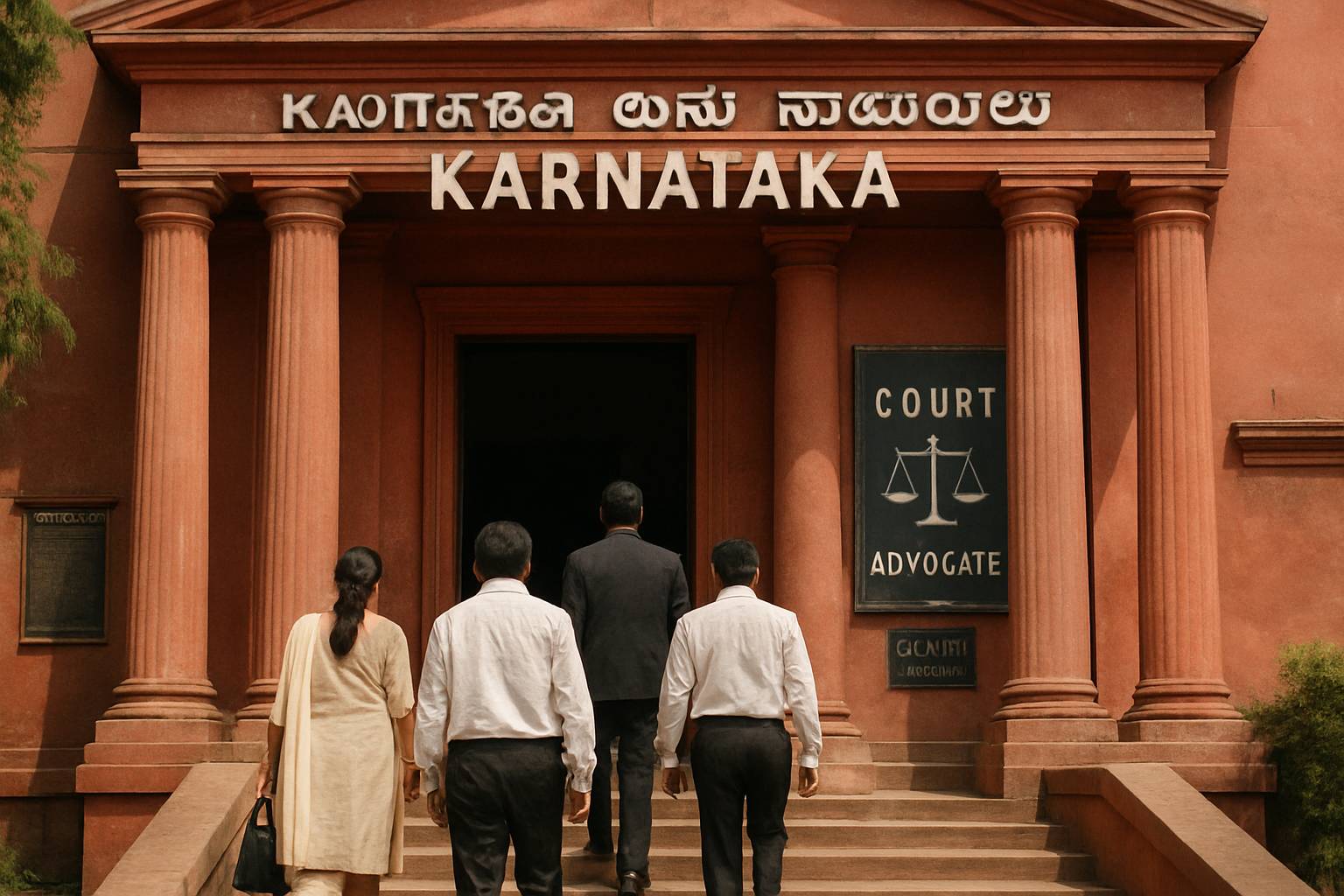
Dispute Enters Karnataka Courtroom
Initially, Anthropic Software claimed prior use of the contested name dating back to 2017. Subsequently, it served a Legal Notice demanding the U.S. firm cease Indian brand activities. However, the U.S. firm proceeded with marketing, prompting the plaintiff to approach the Karnataka court for relief. The bench issued summons on January 20 yet denied an interim injunction after weighing convenience factors.
Consequently, the case returns on February 16, aligning exactly with the U.S. firm’s public summit in Bengaluru. Observers note this scheduling coincidence could amplify media scrutiny and commercial pressure. The initial Legal Notice continues to anchor the plaintiff’s narrative. These rapid developments foretell a compressed litigation timeline. Nevertheless, understanding the calendar of filings clarifies what may happen next.
Chronology Of Key Dates
Accurate chronology helps executives gauge litigation velocity. Below, we list milestones already confirmed by court documents and press reports.
- 2017: Anthropic Software starts using the disputed brand in domestic software services.
- Jan 20 2026: Karnataka court issues summons and refuses interim injunction.
- Jan 10 2026: Legal Notice served on U.S. firm by Indian plaintiff.
- Mid-Jan 2026: AI giant appoints Irina Ghose as India Managing Director.
- Feb 16 2026: Builder Summit Bengaluru coincides with next hearing.
Moreover, the plaintiff seeks ₹10 million in damages alongside permanent injunctive relief. Consequently, any early settlement would need to address both compensation and future Naming rights. These dates illustrate converging legal and commercial pressures. The Legal Notice also triggered heightened investor queries about possible injunction scenarios. Therefore, we now unpack the legal tests likely to guide the bench.
Legal Standards At Play
Indian courts assess three pillars when hearing passing off claims. Firstly, plaintiffs must show goodwill attached to the mark. Secondly, they must prove misrepresentation causing consumer confusion. Finally, likelihood of damage must appear credible. Additionally, interim injunctions require a serious question, balance of convenience, and irreparable harm.
Passing Off Explained Briefly
Goodwill often hinges on sales data, customer testimonials, and advertising reach. In contrast, misrepresentation analysis asks whether average buyers could link two businesses mistakenly. Consequently, evidence about overlapping trade channels becomes decisive.
The Karnataka court will weigh these factors before granting stronger relief later. Moreover, expert counsel suggest prior use since 2017 strengthens the Indian plaintiff’s Trademark position. The Legal Notice will likely appear as Exhibit-A during that assessment. The legal yardsticks remain settled, yet outcomes depend on granular proof. Meanwhile, commercial realities add separate layers of urgency.
Business Stakes For Both
Anthropic views India as a top market for its Claude models. Therefore, brand continuity underpins marketing spend and partner recruitment. Any adverse order could chill event momentum and investor confidence.
Conversely, the Indian outfit serves regional clients who reportedly confuse websites and support lines. Moreover, search algorithms increasingly prioritize the better funded U.S. entity, eroding local goodwill. The company argues the Legal Notice has not slowed the confusion yet. Consequently, the Indian firm argues damages of ₹10 million are justified.
Professionals can deepen compliance skills with the AI+ Legal Strategist™ certification. Both sides face tangible operational risks tied directly to brand Naming control. Nevertheless, settlement avenues remain open.
Possible Resolution Paths Ahead
Courts frequently encourage mediated settlements in commercial IP disputes. Furthermore, the Karnataka court may suggest coexistence arrangements if confusion appears limited. Such terms could include geographic carve-outs, disclaimers, or amended logos.
In contrast, the defendant might counterclaim that its global reputation outweighs local prior use. Subsequently, the bench could order market surveys to test public perception. Consequently, litigation may stretch beyond 12 months absent compromise.
Notably, the original Legal Notice remains a constant reference in negotiations. Moreover, both companies may value risk reduction over protracted courtroom battles. Resolution options span coexistence, rebranding, or damages payment. Subsequently, attention shifts to the imminent hearing.
Preparing For Next Hearing
Parties must file affidavits of evidence before February 16. Additionally, counsel will argue balance of convenience and potential confusion again. Meanwhile, Anthropic executives plan to address developers at the Bengaluru summit the same day.
Media teams must synchronize event messaging with courtroom developments to avoid mixed narratives. Therefore, crisis communication playbooks should reference the original Legal Notice and subsequent filings. Moreover, investors will watch Karnataka court orders for guidance on brand valuation.
Key preparatory steps include:
- Secure certified copies of the January 20 order.
- Audit marketing collateral for potential passing-off allegations.
- Draft alternative Naming assets pending outcome.
Consequently, proactive planning reduces operational shocks. Effective preparation could influence judicial perception and public sentiment. Finally, we recap the critical lessons.
This dispute underscores how a single Legal Notice can escalate into high-stakes litigation within weeks. Karnataka court proceedings will weigh prior use, confusion evidence, and balance of convenience. Meanwhile, both companies confront brand and revenue impacts tied to Trademark identity. Moreover, executives eye February 16 as both a courtroom milestone and a marketing showcase. Consequently, timely IP audits, clear Naming strategies, and specialised training remain prudent defences. Professionals should therefore pursue the linked certification to navigate future cross-border AI disputes confidently. Explore the programme today and turn legal uncertainty into competitive advantage.
Disclaimer: Some content may be AI-generated or assisted and is provided ‘as is’ for informational purposes only, without warranties of accuracy or completeness, and does not imply endorsement or affiliation.


