

AI CERTS
3 months ago
OpenAI’s Hardware Development Hoax Exposes Deepfake Dangers
However, corporate leaders immediately cried foul. President Greg Brockman replied on X, calling the footage “fake news.” Communications chief Lindsay McCallum Rémy repeated the Disclaimer in interviews. Moreover, officials blamed rising deepfake sophistication rather than any authentic product reveal.
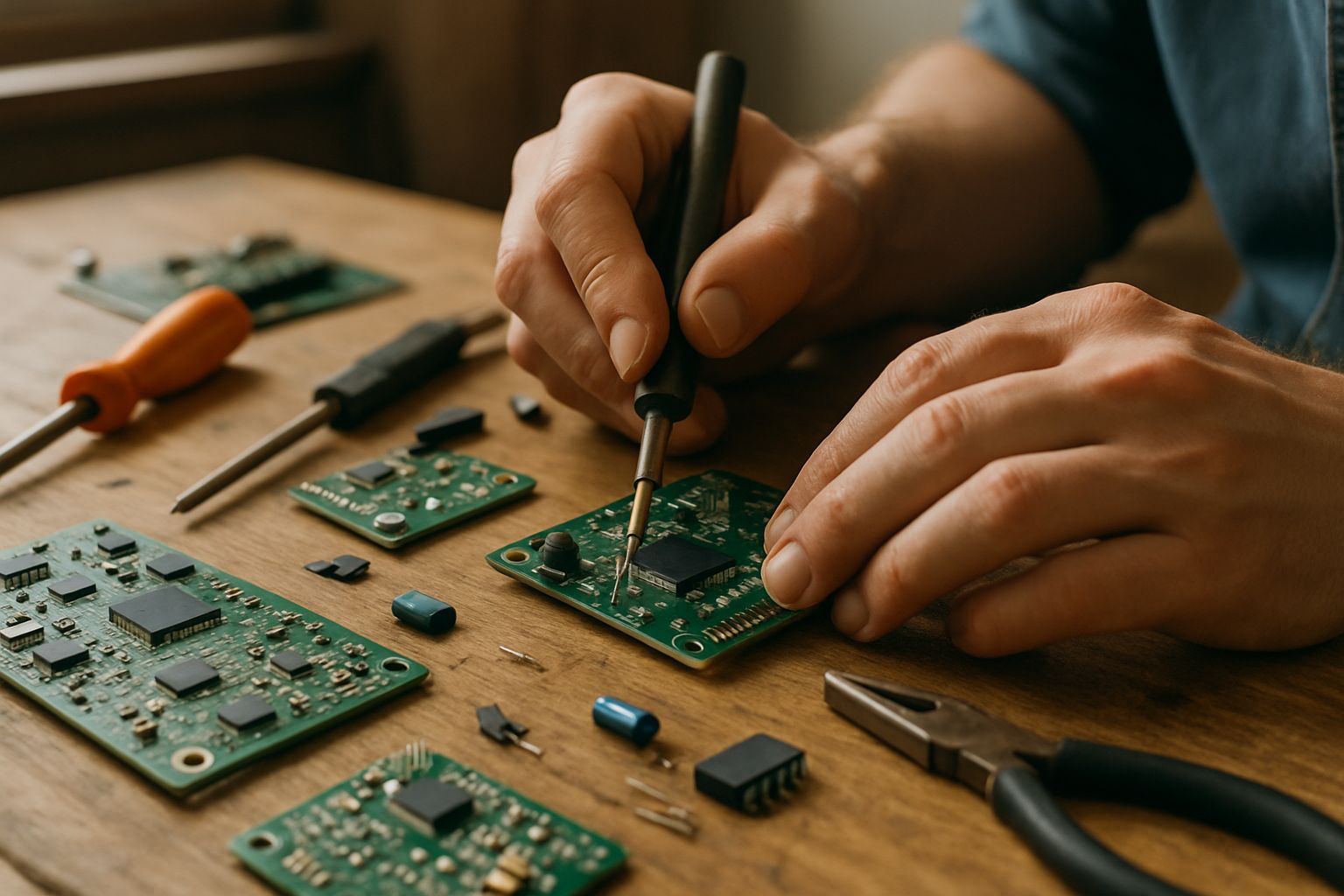
The uproar collides with fresh court filings about OpenAI’s real timeline. Those documents state the first hardware Device will not ship before late February 2027. Consequently, the sensational Leak overshadowed substantiated milestones. Meanwhile, analysts warn that unchecked deception threatens trust in Hardware Development discourse.
Viral Orb Video Surge
In early February, a Reddit user posted nine seconds of polished commercial footage concerning OpenAI's Hardware Development ambitions. The upload touted an “unreleased OpenAI Super Bowl spot” featuring the mysterious Orb.
Additionally, captions identified the supposed gadget as the “Dime,” allegedly part of a hidden product line. Influencers, including Alexis Ohanian, reshared the clip, driving millions of impressions within twelve hours.
Meanwhile, the Reddit thread vanished after moderators cited copyright worries. Archival crawls still detected mirrored copies on X and TikTok before deletion. Consequently, scarcity fueled credibility among excited spectators.
The video’s viral reach demonstrated social platforms’ amplification force. However, the next phase belonged to OpenAI’s public relations team.
OpenAI Issues Swift Rebuttal
OpenAI executives responded decisively. Greg Brockman labeled the clip “fake news” minutes after journalists requested comment.
Moreover, press officers emailed an explicit Disclaimer asserting no corporate involvement. They wrote, “Totally false — not OpenAI, not connected to us at all.”
Consequently, Business Insider, WIRED, and Reuters repeated the denial verbatim across headlines. The harmonized rebuttal cooled speculation around ongoing Hardware Development efforts.
Nevertheless, fragments of the video persisted in algorithmic feeds. Meanwhile, Brockman’s post referenced the original Reddit link for transparency.
Coordinated messaging restricted immediate market fallout. In contrast, quieter courtroom disclosures mapped longer trajectories.
Legal Filings Reveal Timeline
The Iyo trademark suit forced OpenAI to reveal concrete plans. Peter Welinder’s declaration stated the first hardware Device “will not ship to customers before the end of February 2027.”
Furthermore, the company promised to abandon the “io” brand for future machines. The filing thus provides an unusual window into guarded Hardware Development milestones.
Analysts note the 2027 target aligns with typical silicon procurement and safety testing cycles. Moreover, the $6.5 billion purchase of Jony Ive’s studio still demands extensive integration.
In contrast, the dazzling Leak suggested an imminent launch. Therefore, investors recalibrated revenue models after reading the sworn record.
The court timeline anchors expectations in verifiable evidence. Subsequently, attention shifted to the mechanics behind such sophisticated fabrications.
Deepfake Threats and Risks
Deepfakes employ generative networks to fabricate convincing images, audio, and motion. Consequently, individual creatives can now construct brand-quality ads without agency budgets.
Key factors driving believability include:
- Model fidelity: 4K rendering hides compression seams.
- Cost plummet: cloud inference can generate minutes of video for dollars.
- Social mechanics: viral reposts outrun fact-checking windows.
- Brand stakes: fake promos threaten trademark integrity.
Moreover, companies undergoing active Hardware Development cycles become prime targets for counterfeit hype.
Therefore, experts prescribe several defensive layers. First, embed cryptographic watermarks. Second, publish an explicit Disclaimer on every official channel. Third, maintain a rapid-response war room fed by platform alerts.
These safeguards lessen confusion but cannot eliminate deception entirely. Nevertheless, they prepare stakeholders for subsequent industry shocks.
Broader Industry Impact Assessment
Financial markets steadied once the truth circulated. However, some hedge funds briefly widened volatility spreads, anticipating hidden Hardware Development expenses.
Supply-chain researchers examined Shenzhen order books and observed no tooling for OpenAI hardware. Therefore, procurement signals supported the 2027 horizon. Moreover, long supply chains remain a reality for any large-scale Hardware Development program.
Additionally, rival labs exploited the rumour, inserting the Leak clip into investor pitch decks.
Nevertheless, regulators flagged the episode for upcoming hearings on synthetic advertising. They may require a standard Disclaimer for AI-generated promotional content.
Market reactions thus remained contained. Subsequently, newsroom protocols became the focus of discussion.
Rigorous Verification Best Practices
Journalists covering future Hardware Development stories now follow stricter guidelines.
Consequently, editors demand reverse-image searches and blockchain timestamps before publication.
Moreover, each article opens with a visible Disclaimer when assets remain unverified.
Recommended newsroom checklist:
- Trace original Reddit upload metadata.
- Contact named individuals for comment.
- Request cryptographic hashes from sources.
- Compare visuals with filed exhibits.
Meanwhile, researchers propose crowd-sourcing authenticity scores through content-credentials frameworks. In contrast, in-house counsel monitors patent dockets for corroboration.
Together, these steps raise verification confidence. Consequently, organizations can protect reputation while advancing research.
Strategic Takeaways Moving Ahead
Hardware Development at OpenAI remains a multi-year journey rather than a sudden unveil.
Therefore, the fake Leak doubles as a readiness drill for brand defense.
Professionals can sharpen skills through the AI Developer™ certification.
Moreover, disciplined messaging, forensics, and legal alignment will bolster any future Device debut.
Strategic cohesion converts crises into learning moments. Ultimately, sustained rigor will guide the next innovation cycle.
Ultimately, the Orb saga illustrates misinformation’s speed and corporate response demands. However, verified court records place OpenAI’s first product years away. Therefore, investors should anchor forecasts on sworn Hardware Development disclosures rather than viral clips. Deepfake tools will only grow cheaper and more persuasive. Consequently, firms must embed technical safeguards, staff training, and standing notices. Professionals eyeing leadership roles can enhance resilience by earning the AI Developer™ credential. Such preparation will, nevertheless, determine who shapes the next trusted ecosystem.
Disclaimer: Some content may be AI-generated or assisted and is provided ‘as is’ for informational purposes only, without warranties of accuracy or completeness, and does not imply endorsement or affiliation.


