

AI CERTs
2 months ago
Family Deepfakes Fuel a Growing Misinformation Crisis
Deepfake technology now spreads faster than fact-checkers can respond. Consequently, political families increasingly face synthetic scandals that appear devastatingly authentic.
The Misinformation Crisis threatens public trust and election integrity alike. Moreover, recent incidents show attackers focus on relatives, not only candidates. Viral fakes of spouses and children create emotional shock that amplifies reach.
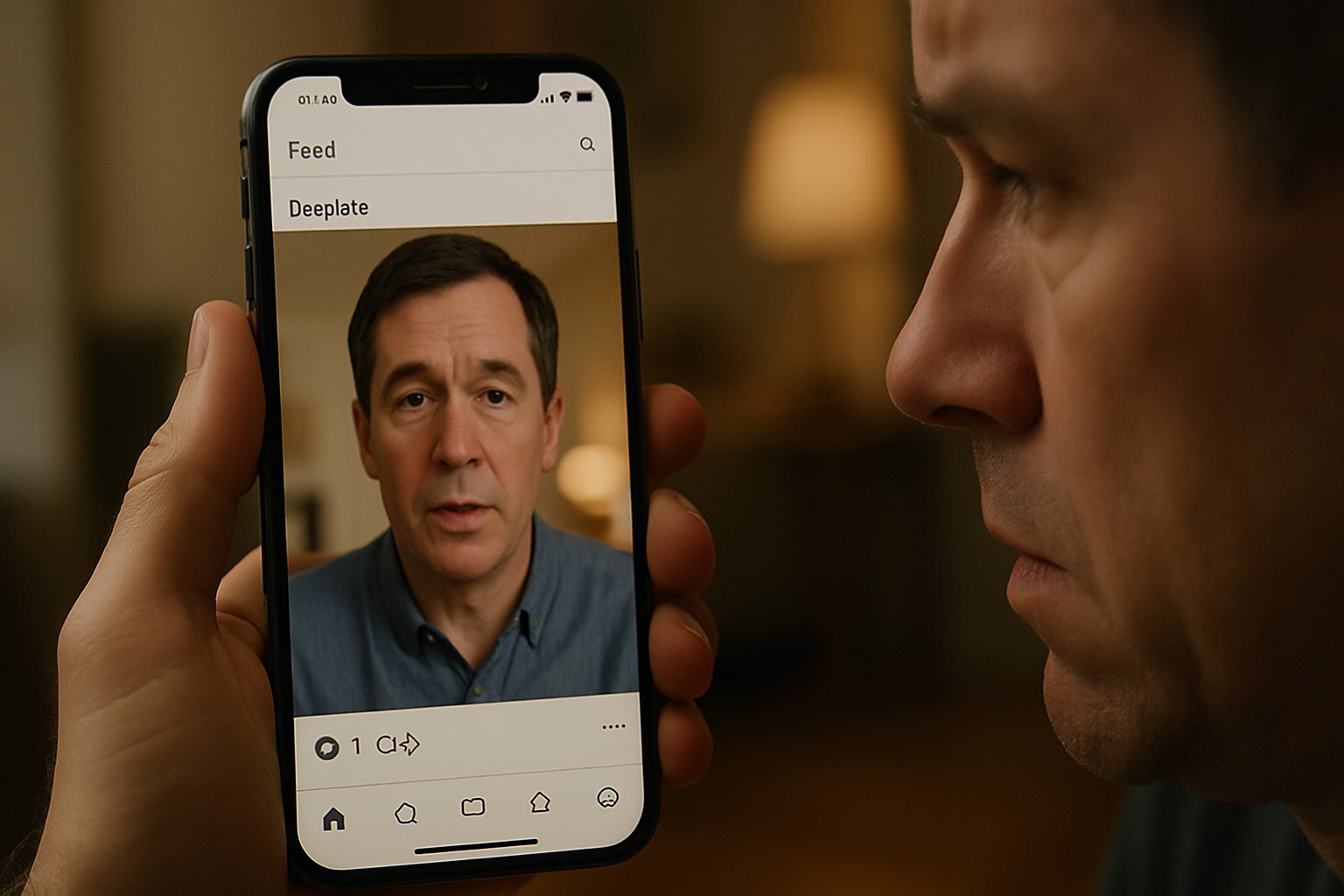
Lawmakers, platforms, and investigators scramble to keep pace. Meanwhile, experts warn the problem will worsen before technical defenses mature. The Associated Press, or AP, documented dozens of political deepfakes within months.
Analyst Zara Mamdani notes that families offer “softer targets” than seasoned politicians. This article unpacks the evolving battlefield and proposes concrete mitigation steps. It explores how the Misinformation Crisis intersects with policy, detection, and human behavior.
Deepfake Threats Expand
In 2025, trackers logged 56 political deepfake incidents during only one quarter. Furthermore, 96% of all detected synthetic videos contained non-consensual sexual material.
These numbers illustrate exponential growth, not isolated pranks. Platforms such as Meta and TikTok struggled to remove scam advertisements featuring forged officials.
In contrast, audio cloning tools now need mere seconds of source speech. Consequently, fraudsters can fake live phone calls convincingly.
Researchers link this capability to several “virtual kidnapping” cases reported by AP outlets. Mamdani warns that cheap voice models democratize espionage tactics once reserved for states.
The Misinformation Crisis therefore gains new vectors every month. These expanding threats demand rapid, coordinated countermeasures.
Deepfake scale and sophistication now outpace legacy defenses. However, understanding personal reputational harm clarifies the stakes for reform.
Family Reputations Under Fire
Political opponents increasingly weaponize intimate fakes of spouses and teenagers. Moreover, gendered abuse remains rampant; 98% of sexual deepfakes target women.
Cara Hunter’s ordeal illustrates the toll on mental health and careers. Viral clips showing fabricated nudity circulated hours before moderators reacted.
Consequently, constituents questioned her character despite immediate denials. Royal relatives faced similar waves when satirical videos blurred into deceptive montages.
AP reporters noted public confusion about authenticity during those viral cycles. Mamdani argues that family-focused disinformation sidesteps defamation defenses protecting public officials.
Such tactics fuel the broader Misinformation Crisis and erode political discourse. Political Interference flourishes when voters doubt every image they encounter.
Families present emotional leverage points for malicious actors. Therefore, the next section examines financial scams exploiting that leverage.
Scams Exploit Emotional Bonds
Fraudsters combine voice cloning with caller ID spoofing to simulate desperate relatives. Subsequently, victims wire money within minutes, fearing harm to loved ones.
FBI advisories suggest households establish secret phrases for verification. Additionally, parents should call other relatives before responding to ransom demands.
Losses remain hard to quantify; industry estimates reach several billions annually. AP tallies indicate sharp growth through late 2025.
Political Interference surfaces when scammers time attacks ahead of crucial votes. The Misinformation Crisis magnifies fear, making fabricated emergencies believable.
Mamdani notes retirees are disproportionately targeted due to generational tech gaps. Emotional manipulation drives quick, costly decisions.
Nevertheless, evolving legislation starts addressing these crimes directly.
Policy And Legal Moves
Lawmakers responded with the 2025 TAKE IT DOWN Act. The statute criminalizes non-consensual intimate depictions and mandates swift removals.
Moreover, proposals like the NO FAKES Act would grant individuals stronger rights over digital replicas. In contrast, enforcement resources remain limited across jurisdictions.
EU AI Act provisions also require provenance labels for synthetic media during elections. Political Interference investigations informed several Senate hearings citing AP testimonies.
Experts caution that laws cannot completely halt the Misinformation Crisis. Therefore, implementation details and platform cooperation will decide effectiveness.
Recent statutes mark progress against synthetic abuse. However, technical safeguards must complement legal frameworks, as discussed next.
Detection Tools And Limits
Developers race to integrate watermarking, content credentials, and real-time forensics. Nevertheless, attackers often strip metadata during re-uploads.
Detection accuracy also drops when models receive adversarial tuning.
- 96% of flagged deepfakes are sexual and non-consensual.
- 1 in 8 youths knows a victim of nude deepfakes.
- 56 political incidents occurred in Q1 2025 alone.
- Billions in estimated scam losses by 2026.
Furthermore, vendors like Sensity and Reality Defender supply detectors to media outlets. Professionals may bolster skills through the AI Ethical Hacker™ certification.
Mamdani believes capacity building is essential for local newsrooms lacking in-house forensics. The Misinformation Crisis persists because detection lags behind creation speed.
Consequently, multi-layered strategies remain necessary. Technical solutions reduce exposure but cannot guarantee authenticity.
Therefore, coordinated mitigation becomes the next priority.
Mitigation Steps For Stakeholders
Stakeholders include platforms, campaigns, educators, and everyday families. First, platforms should enforce C2PA metadata retention across all uploads.
Additionally, campaigns must prepare rapid response teams with verified content archives. Educators can teach students reverse-image searches and skepticism toward viral media.
Families should adopt code words and maintain alternate contact channels. Political Interference diminishes when voters access trustworthy communication lines.
Moreover, journalists should consult AP style guidance when labeling suspected deepfakes. The Misinformation Crisis also demands transparent platform reporting about removals and labeling.
Finally, civil society can pressure legislators for balanced protections respecting speech. Collective action distributes defense responsibilities across society.
Subsequently, assessing future trends reveals remaining gaps.
Future Risks And Outlook
Synthetic media generators continue improving realism while lowering barriers. Meanwhile, collaborative forgeries blending text, voice, and video complicate detection further.
Experts worry about “liar’s dividend” effects undermining authentic evidence. Deepfake campaigns may soon target local referendums where fact-checking resources run thin.
Industry research suggests rural voters face highest exposure to unchecked deepfakes. Consequently, the Misinformation Crisis could erode trust in emergency broadcasts and legal evidence.
Nevertheless, stronger provenance standards and user education promise incremental resilience. Policymakers will watch upcoming briefings on campaign misinformation.
Upcoming technologies create both threats and defensive opportunities. Therefore, proactive planning remains essential for every stakeholder.
The preceding evidence underscores how deepfakes reshape politics, safety, and family life. Moreover, the Misinformation Crisis will intensify as generative models advance.
Nevertheless, laws, provenance standards, and public awareness can curb the worst abuses. Consequently, professionals should master forensic techniques and ethical hacking principles.
Readers can begin by pursuing the AI Ethical Hacker™ certification. Additionally, families must adopt verification habits and share them widely.
Together, informed citizens, robust policy, and resilient technology can blunt synthetic deception. Act now to strengthen defenses before the next election cycle.


