

AI CERTS
2 months ago
Stealth Crawlers Test Web Governance Crisis
Meanwhile, Perplexity denies wrongdoing and labels the accusations sensational. The dispute sharpens questions about trust, attribution, and compensation in an AI-driven information economy. Moreover, policymakers and standards bodies face pressure to strengthen voluntary norms or craft enforceable alternatives. Industry leaders acknowledge that ignoring simple directives threatens the cooperative fabric underpinning the open web. Therefore, understanding the scandal’s timeline, techniques, and legal fallout is essential for sound Web Governance strategy. This article unpacks the evidence and maps emerging responses for security, legal, and business teams.
Scraping Dispute Timeline Details
Reuters broke the first alarm on 21 June 2024 after reading TollBit’s warning letter to publishers. Subsequently, coverage snowballed as analytics dashboards displayed sudden spikes in unidentified bot traffic. TollBit’s fourth-quarter 2024 report measured 26 million monthly scrapes bypassing Robots.txt directives.
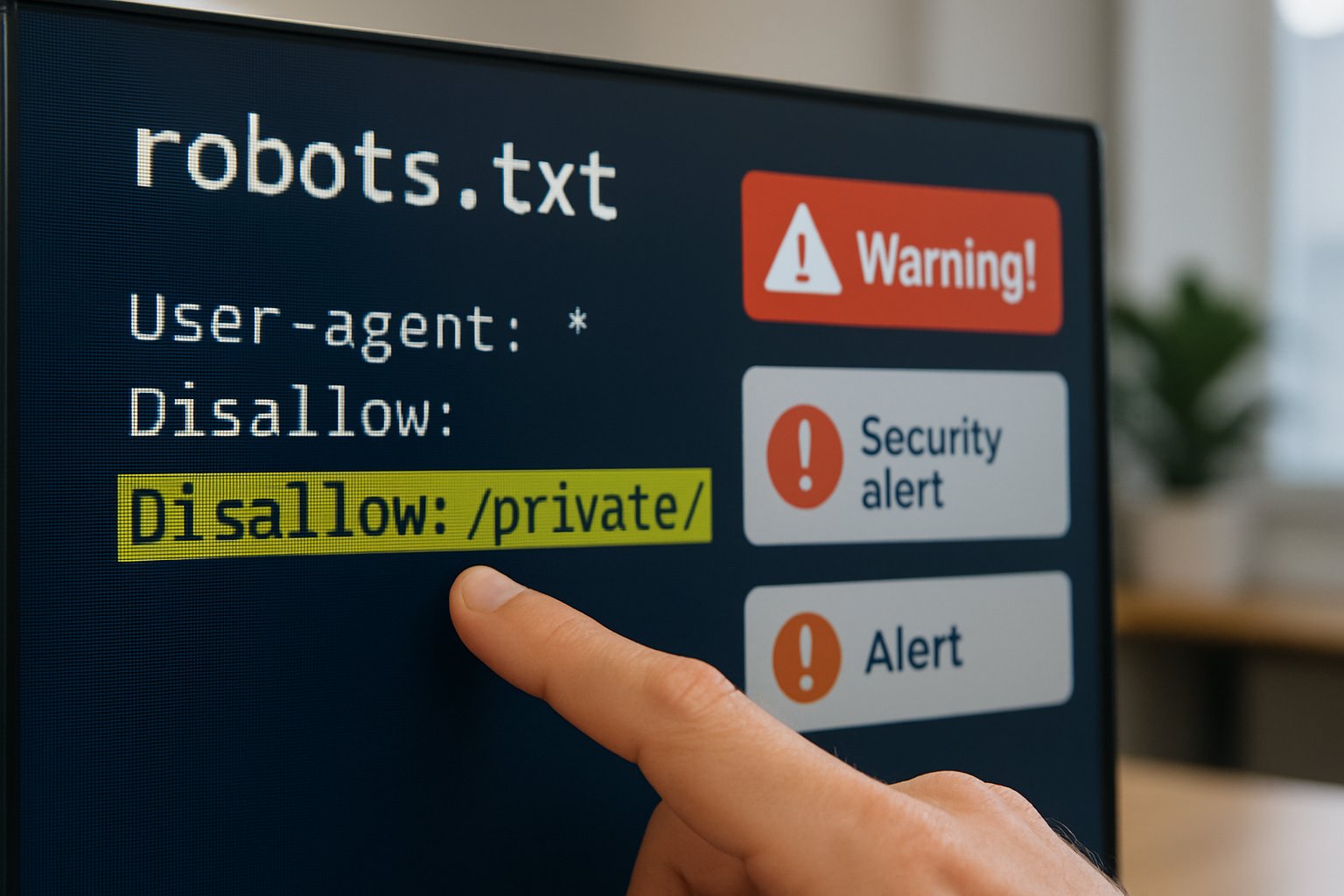
Cloudflare escalated matters on 4 August 2025 with a technical blog accusing Perplexity of covert crawling. In contrast, Perplexity dismissed the post as a publicity stunt and questioned Cloudflare’s attribution methods. Nevertheless, Cloudflare de-listed the company from its verified bot program and pushed new blocking rules.
Consequently, publishers like The New York Times issued cease-and-desist letters and prepared litigation. Trade groups warned that unchecked scraping threatens fundamental Web Governance principles around consent and compensation. These events framed a two-year timeline now driving policy debates.
The timeline shows escalating claims, rebuttals, and technical countermeasures. However, deeper technical evidence clarifies how robots.txt rules were sidestepped. Let us examine the protocol details next.
Robots.txt Norms Tested Today
RFC 9309 formalized Robots.txt behaviour in 2022 yet left compliance voluntary. Typically, ethical crawlers fetch the file first, parse rules, and honor disallow directives. Furthermore, protocol guidance limits request frequency to reduce server load.
Cloudflare engineers observed two Perplexity traffic classes during audits. Declared requests used the Perplexity-Bot user-agent and respected Robots.txt in most cases. Meanwhile, an undeclared stream impersonated Chrome, skipped the file, and rotated IP addresses.
TollBit’s March 2025 logs registered 12.9% of AI crawls ignoring Robots.txt, up from 3.3%. Moreover, their panel tracked 26 million bypass events during that single month. Such findings suggest systemic pressure on current Web Governance frameworks.
Technical records confirm selective obedience to a voluntary standard. Consequently, many stakeholders now investigate the actors and motives behind these Stealth Crawlers. Understanding their tactics illustrates the enforcement challenge ahead.
Stealth Crawlers Evasion Techniques
Cloudflare documented IP rotation across several autonomous systems to scatter reputation scores. Additionally, user-agent spoofing masked the bots as everyday Chrome or Safari browsers. In contrast, declared bots reveal identity, easing firewall allow-listing.
Engineers also observed timing patterns synced with user queries, hinting at retrieval-augmented generation backends. Therefore, each answer request can trigger multiple fetches, multiplying publisher load. Tarpitting advocates propose serving poisoned pages to destabilize these Stealth Crawlers during reconnaissance.
Nevertheless, poison tactics risk collateral data pollution and potential legal exposure. Moreover, sophisticated crawlers adjust to content anomalies and retry from fresh proxies. Effective deterrence must extend beyond signature blocks toward coordinated global policies.
Technique analysis shows a cat-and-mouse dynamic with shifting evasion layers. Subsequently, impacts on publisher business models have become impossible to ignore. The next section quantifies that economic strain.
Publisher Economic Impact Analysis
Newsrooms depend on referral clicks that accompany traditional search snippets. However, AI answers rarely drive traffic back, according to TollBit telemetry. Their dataset indicates 96% less referral volume compared with classic search engines.
- 26 million March 2025 protocol bypasses, TollBit data.
- 20–25 million daily declared requests to Cloudflare, Perplexity sample.
- 3–6 million daily stealth requests, Cloudflare findings.
- 2.5× quarter-over-quarter scraping growth during early 2025.
Consequently, publishers experiment with pay-per-crawl fees, bot walls, and licensing negotiations. News Media Alliance argues that avoided revenue jeopardizes staffing and investigative coverage. In contrast, AI firms tout partnership pilots that share ad revenue within answer interfaces.
The numbers reveal tangible financial exposure for content producers. Therefore, many executives see stronger Web Governance as a survival imperative. Legal and standards responses attempt to fill that gap.
Legal And Standards Path
Lawsuits center on copyright, contract, and computer-fraud statutes rather than Robots.txt itself. Moreover, plaintiffs assert that ignoring access terms constitutes unauthorized-use under federal and state laws. Perplexity counters by citing fair-use doctrines and the public availability of facts.
Meanwhile, publishers request injunctive relief to force blocking of identified Stealth Crawlers. Courts have yet to issue definitive rulings, prolonging uncertainty for all actors. Standards bodies discuss protocol updates, yet enforcement mechanisms remain elusive.
Some experts propose cryptographic tokens so crawlers must authenticate before accessing protected content. Consequently, that design could embed compliance within software rather than rely on trust. Stronger alignment between legal remedies and technical standards would bolster Web Governance resilience.
Policy negotiations remain fluid and highly contested. Subsequently, attention shifts toward operational defenses deployable today. Tools and certifications shape that frontline.
Defensive Tools Emerging Now
Cloudflare shipped managed firewall rules that automatically flag known AI bot fingerprints. Additionally, several CDNs now fingerprint suspicious latency patterns and browser mimics. Open-source projects like Bouncer aggregate threat feeds and generate blocklists for small publishers.
Professionals can deepen expertise with the AI Security Compliance™ certification. The curriculum covers crawler detection, directive auditing, and incident response planning. Furthermore, security teams deploy honeypot markers to trace Stealth Crawlers across rotated proxies.
Nevertheless, defensive costs scale quickly and may disadvantage smaller outlets. Therefore, coordinated internet governance frameworks could distribute protection responsibilities more evenly. Stakeholders acknowledge technical tools complement but cannot replace policy clarity.
Current solutions reduce exposure yet demand ongoing tuning. In contrast, future strategies may embed compliance into crawler architecture itself. The concluding outlook explores that possibility.
Future Web Governance Trends
Stakeholders forecast multi-layer negotiations blending technology, contracts, and industry self-regulation. Subsequently, AI providers may adopt verifiable credentials to demonstrate Robots.txt honor rates. Publishers could integrate real-time crawl metering and dynamic pricing APIs.
Moreover, regulators weigh disclosure mandates requiring platforms to publish scraping telemetry. Successful alignment would protect creative economies while sustaining open data flows. Consequently, the future of Web Governance hinges on transparent incentives rather than secrecy.
Roadmaps now depend on cooperative risk sharing across the stack. However, mistrust persists after the stealth scraping scandal.
The scraping controversy exposes fragile trust between publishers and emerging AI platforms. Evidence from Cloudflare and TollBit confirms selective protocol obedience and rising bypass volumes. Meanwhile, economic data reveals severe referral declines that threaten newsroom sustainability. Legal claims advance slowly, yet debate already influences standards and investment decisions. Additionally, security vendors deploy new rules, and professionals pursue certifications to harden defenses. Consequently, coordinated Web Governance, combining technology and policy, remains the decisive challenge ahead. Act now by adopting monitoring, joining policy forums, and earning the AI Security Compliance certification.


