

AI CERTS
2 months ago
Empathic XR Market Runs On Biometric Data
Investors forecast rapid growth as industrial pilots move beyond the lab. Meanwhile, regulators and privacy experts raise new red flags. Affective Computing principles guide many system designs yet also expose scientific limits. In contrast, Immersive Tech vendors promise safer, more personalized training, therapy, and productivity tools. This article unpacks the technology, market signals, risks, and next steps. Furthermore, it offers strategic guidance for professionals evaluating empathic XR opportunities.
Empathic XR Core Concepts
Empathic XR blends multimodal sensing, AI inference, and adaptive storytelling. Specifically, headsets now capture Biometric Data such as EEG, PPG, EDA, and gaze. Algorithms translate these signals into arousal, attention, and cognitive load estimates. Moreover, content then adapts in real time to maintain engagement or reduce stress.
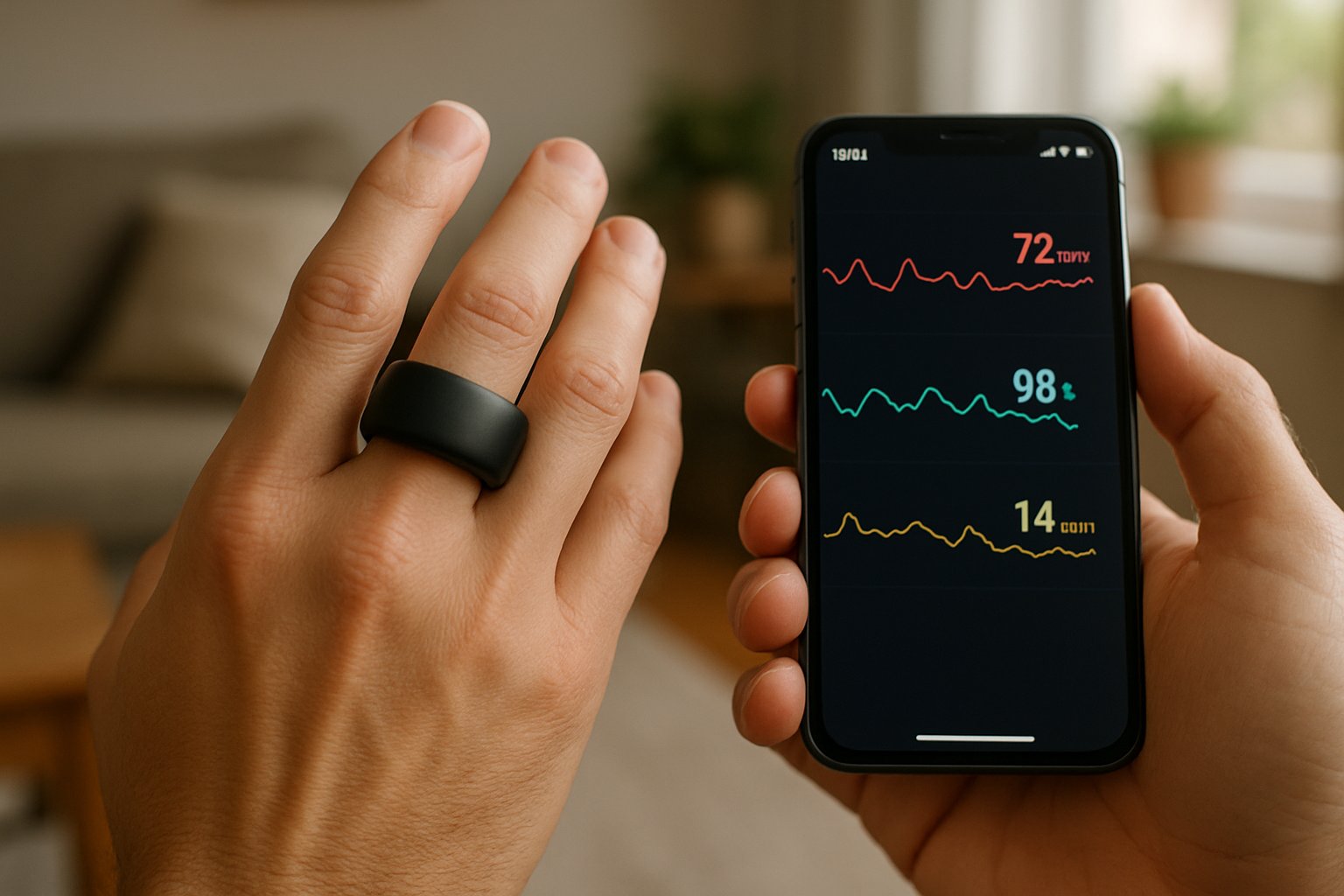
These elements create the empathic feedback loop central to the field. Nevertheless, the loop depends on reliable signals and sensors. Sensor availability defines the present device landscape.
Sensor And Device Landscape
Several vendors race to supply converged sensor platforms for XR. For example, OpenBCI's Galea integrates EEG, EDA, PPG, and eye tracking into enterprise headsets. Neurable's MW75 Neuro headphones embed consumer EEG within premium audio hardware. Consequently, Immersive Tech ecosystems can ingest signals without obtrusive straps or gels. Each device streams Biometric Data to local or cloud inference engines.
Hardware progress lowers experimentation barriers for developers and researchers. However, rapid adoption also inflates market expectations. Market signals illustrate that optimism.
Market Momentum Signals XR
Analyst firms project affective and empathic XR segments to grow double digits annually. Fortune Business Insights places 2026 emotion AI revenue between $40 and $110 billion, reflecting forecasting uncertainty. Meanwhile, enterprise pilots using Galea show rising demand for objective training metrics. Consumer interest also climbs as Neurable reports sellouts of early headphone batches. Immersive Tech retailers bundle these headsets with fitness and mindfulness applications to boost promotion. Consequently, investors treat Biometric Data as a premium fuel for next-gen platforms.
Early sales and forecasts highlight commercial momentum. Nevertheless, technology gaps could slow mass uptake. Examining those gaps clarifies adoption risk.
Key Technical Hurdles Ahead
Signal quality still drops when users move, sweat, or wear hairstyles that block electrodes. Moreover, many affect models were trained in labs, not noisy field settings. Researchers in Affective Computing caution that context shifts erode accuracy. Therefore, systems must continually recalibrate Biometric Data baselines for each user. Latency, battery drain, and on-device ML constraints add engineering overhead.
Technical barriers remain solvable yet resource intensive. Consequently, compliance and privacy factors demand equal attention. Policy pressures define that conversation.
Regulation And Privacy Pressures
The EU AI Act labels workplace emotion recognition high risk and often unlawful. In contrast, therapeutic or safety scenarios may qualify for exemptions under strict consent rules. GDPR treats Biometric Data as sensitive, requiring purpose limitation and minimal retention. Moreover, Immersive Tech platforms face new disclosure duties after researchers revealed gaze-based keylogging attacks.
Legal frameworks now shape product roadmaps from day one. Nevertheless, clear use cases still attract buyers. Those cases illustrate tangible value.
Emerging Use Case Value
Empathic XR already benefits therapy, simulation training, and workplace wellness. Current deployments focus on four repeatable scenarios:
- Stress coaching chatbots that adjust tone using Biometric Data.
- Adaptive flight simulators that raise difficulty when Affective Computing metrics indicate low load.
- Immersive Tech wellness apps that nudge breaks after prolonged cognitive fatigue.
- Marketing UX studies measuring engagement through synchronized eye and heart signals.
Therefore, early adopters report sharper insights and improved user satisfaction. However, program success hinges on transparent Biometric Data governance and inclusive sampling.
Practical wins demonstrate economic potential. Subsequently, strategic planning becomes essential. Forward-looking leaders now explore next steps.
Future Outlook And Strategy
Market analysts expect empathic XR to intersect edge AI, cloud services, and standardized consent protocols. Professionals can enhance their expertise with the AI+ UX Designer™ certification. Moreover, curriculum modules now cover Immersive Tech ethics and Affective Computing validation practices. Consequently, graduates will design products that respect Biometric Data while delivering adaptive value.
Strategic skilling aligns talent with upcoming demand peaks. Therefore, timing matters for competitive advantage.
Empathic XR sits at the intersection of sensors, AI, and human-centered design. Hardware advances stream Biometric Data continuously, enabling adaptive content across workplaces and homes. However, scientific, technical, and regulatory challenges demand disciplined execution. Affective Computing frameworks guide model development, while privacy laws enforce guardrails. Consequently, organizations that balance innovation with compliance will capture the most value. To prepare, readers should explore certifications and pilot projects today.


