

AI CERTS
2 months ago
Defense AI Reshapes Human-Machine Operations
Moreover, legislative momentum and market capital now push prototypes from labs to field trials. Meanwhile, critics warn that ethical, logistical, and security hurdles remain formidable. This article maps recent progress, funding trends, and looming challenges. Readers will gain actionable insight into timelines, risks, and strategic decisions shaping adoption. Subsequently, they can plot capability roadmaps or pursue specialized certifications for competitive advantage.
Strategic Shift Accelerates Adoption
Historic focus stayed on isolated gadgets, such as a single exoskeleton or drone. In contrast, militaries now demand systems that talk, learn, and adapt together. Therefore, Defense AI moves from back-office analytics into core mission software. DARPA’s N3 neurotech, Sarcos exoskeleton trials, and RAF loyal wingman flights reveal this integration push. Moreover, Congress endorsed the shift through the FY25-26 NDAA biotechnology provisions. These directives require synchronization of human performance, autonomy, and cyber programs under one governance model. Consequently, program offices now craft joint requirements that emphasize Operational Agility in contested theaters.
Commanders expect adaptive assets to redeploy quickly despite denied communications or damaged infrastructure. Subsequently, funding lines link wearable robotics purchases to unmanned aerial squadron budgets. This structural change accelerates capability cycles and discourages siloed technology experiments. Integrated planning signals enduring commitment rather than fleeting curiosity. However, technology convergence also amplifies complexity, leading directly to core technical questions.
Key Technologies Converge Today
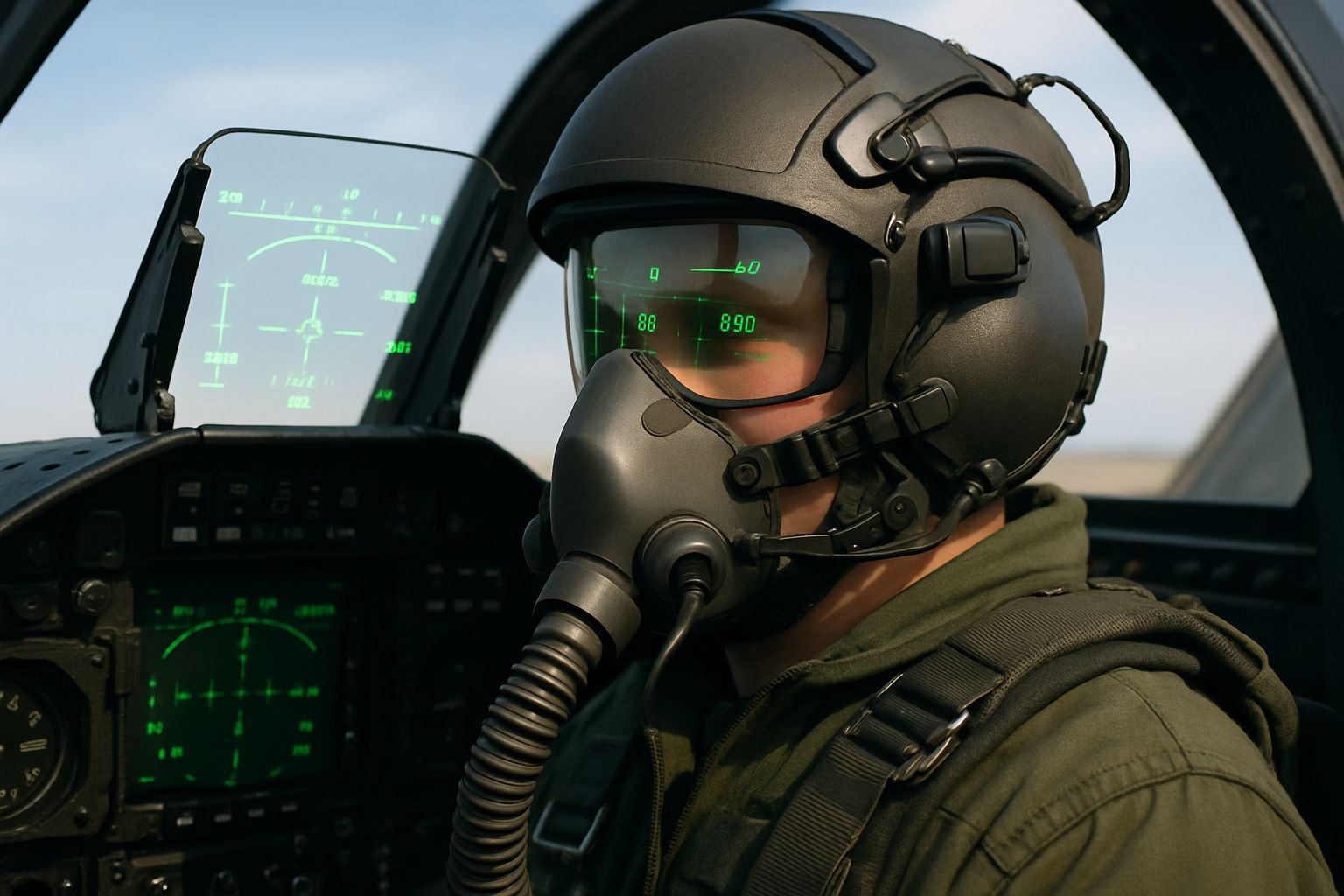
Three technology streams dominate present demonstrations. First, powered exoskeletons reduce back injuries and extend load endurance during logistics missions. Second, non-invasive BCIs promise hands-free control of robots or data feeds. Third, MUM-T frameworks pair piloted aircraft with autonomous wingmen for distributed sensing and strike. Defense AI supplies the adaptive algorithms that stitch these elements into one operating picture.
Moreover, cloud-native architectures allow constant model updates without hauling hardware back to depots. German Bionic’s Exia launch illustrates fast commercial spillover into defense supply chains. Meanwhile, Battelle’s N3 team progressed to Phase II, miniaturizing EEG arrays for field kits. Such momentum heightens Operational Agility by reducing onboarding time and lifecycle costs.
Operational Benefits Drive Adoption
- 30% reduction in musculoskeletal injuries during heavy-lift tasks, according to AFRL trials.
- Up to 40% faster aircraft rearming when exoskeleton teams replace manual crews.
- Fivefold increase in real-time sensor coverage when MUM-T swarms support piloted jets.
- Projected USD 2.95 billion military exoskeleton market by 2030, per StrategicMarketResearch.
Consequently, acquisition chiefs frame these benefits as immediate readiness gains rather than distant science projects. Nevertheless, cost curves and maintenance burdens remain open questions. The benefits appear persuasive for pilot programs. Yet, financial and technical hurdles shape the market outlook discussed next.
Market Numbers Signal Momentum
Public forecasts illustrate rising spending, though methodologies differ. Strategic Market Research estimated a USD 1.16 billion military exoskeleton market in 2024. Moreover, the firm projects 15% CAGR, reaching USD three billion by 2030. Other analysts place 2024 revenue closer to USD 1.8 billion, reflecting broader inclusion of industrial buyers. Consequently, planners use ranges, not single figures, when drafting budget requests. Defense AI procurement now intertwines with cloud services and chip upgrades, complicating line-item tracking.
MUM-T programs follow similar patterns, bundling airframes, autonomy, and datalink licenses into multi-year contracts. Meanwhile, venture capital continues seeding neurotech startups, many chasing dual-use health and defense markets. Operational Agility remains investors’ favorite pitch phrase, signaling speed-to-field and flexible deployment. Numbers suggest accelerating momentum despite forecast variance. However, technical and ethical risks could stall deployments, as the next section details.
Risks Challenge Field Trials
Technical maturity gaps top the risk ledger. GAO notes that non-invasive BCIs still trade signal fidelity for safety. Additionally, invasive implants raise lifetime medical liabilities and upgrade issues. Cybersecurity adds another layer; neural data streams present fresh attack surfaces. Defense AI algorithms also inherit bias or brittleness from training sets, multiplying hazards. Furthermore, operational specialists warn of cognitive overload when multiple autonomous agents demand attention.
Ethicists stress informed consent challenges inside hierarchical military structures. In contrast, acquisition officers emphasize incremental rollouts with opt-in participation and medical oversight. Consequently, pilot programs feature strict telemetry logging and embedded bioethicist review teams. Risk mitigation frameworks now shape every field trial schedule. Subsequently, governance debates intensify, as explored in the following section.
Governance And Ethics Frameworks
Congress elevated biotechnology oversight through the FY25-26 NDAA. Moreover, the National Security Commission on Emerging Biotechnology demanded a coherent human performance roadmap. These directives mandate responsible Defense AI development aligned with existing laws of armed conflict. Meanwhile, allied forces craft similar policies, seeking interoperability and shared norms.
Independent scholars nevertheless urge transparent data governance, stating that privacy violations could erode trust. Regulators also examine export controls to prevent unchecked proliferation of dual-use neurotech. Professionals can enhance their expertise with the AI+ Government™ certification. Consequently, planners and engineers gain structured guidance on legal compliance and standards. Policy clarity is improving but remains a moving target. Therefore, future capability planning must stay flexible, as final section explains.
Future Outlook And Actions
Analysts foresee gradual scaling rather than overnight transformation. Early wins will center on logistics exoskeletons and MUM-T air support packages. Meanwhile, non-invasive BCIs may debut as fatigue monitors or simple switch controls. Defense AI will orchestrate data fusion, mission scheduling, and predictive maintenance across these assets. Operational Agility metrics, such as redeployment time and sortie tempo, will drive procurement scorecards. Moreover, cloud-edge hybrid networks promise resilient model updates even under jamming.
Nevertheless, sustained funding and skilled talent remain prerequisites for real-world capacity. Consequently, defense universities expand curricula on autonomy, human factors, and ethics. MUM-T doctrine writers also refine tactics, training, and organizational design. Subsequently, integrated test ranges will validate multi-domain scenarios before mass fielding. Progress looks inevitable but not uniform. However, coordinated strategy and workforce upskilling will determine competitive edges.
Human-machine integration has moved from science fiction into pragmatic defense planning. Defense AI now anchors this evolution, linking sensors, vehicles, and soldiers into adaptive networks. Moreover, exoskeleton vendors and neurotech teams deliver steady technical strides. MUM-T advances and Operational Agility metrics reinforce the business case for continued investment. Nevertheless, unresolved ethical, security, and sustainment issues demand vigilant oversight. Professionals should track upcoming DoD roadmaps and international policy forums.
Therefore, now is the moment to secure skills and credentials. Explore the AI+ Government™ certification and position your team at the forefront of integration. Consequently, mastery of Defense AI concepts will separate leaders from followers. Investors already reward startups that demonstrate certifiable Defense AI compliance and battlefield relevance.


