

AI CERTS
2 months ago
Deepfake Controversy: Trump’s Racist Obama Meme Fallout
The post appeared late on 5 February 2026 and disappeared amid bipartisan outrage the following day. Consequently, reporters, civil-rights groups, and technologists questioned how Synthetic Media continues to distort public discourse. Trump said he had not watched the full minute-long meme and refused to apologize. Meanwhile, the White House first defended the clip as harmless internet humor before blaming an unnamed staffer. These conflicting explanations deepened the Deepfake Controversy and intensified calls for accountability.
Beyond partisan drama, experts warn that AI face-swap tools now let anyone inject hateful content into viral memes. Therefore, this article unpacks the timeline, social impact, technical factors, and policy gaps behind the incident. We also examine rising Synthetic Media trends and offer pragmatic mitigation steps for organizations. Finally, professionals can upskill with relevant ethics training to prepare for the next wave of manipulated content.
How Clip Went Viral
The video surfaced on Trump’s Truth Social feed at 11:47 p.m. Eastern on 5 February 2026. Within minutes, followers began sharing screen recordings across X, Facebook, and Telegram.
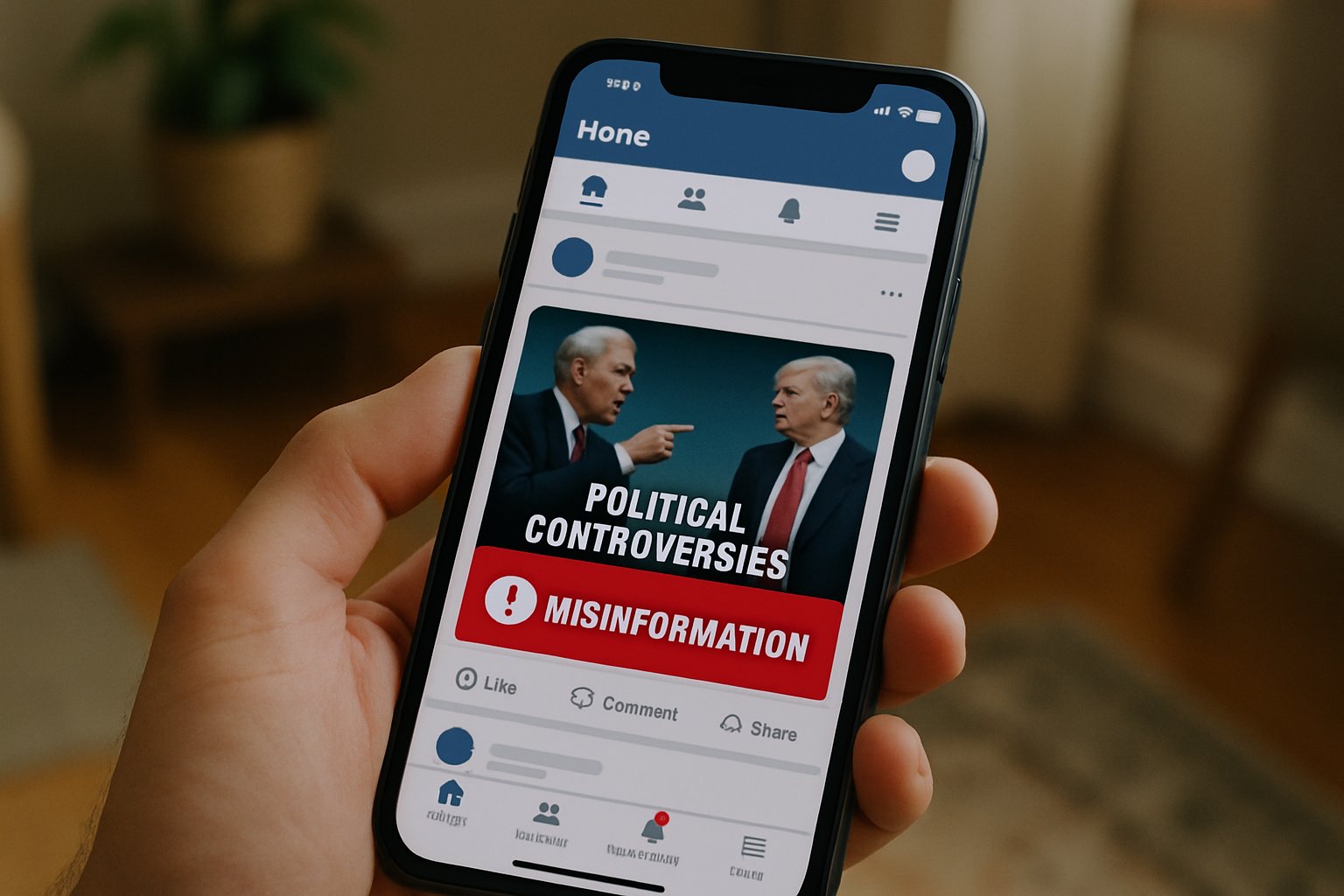
Additionally, journalists at the Washington Post captured the clip before any deletion occurred. By dawn, major outlets published stories and embedded the footage.
Consequently, the Deepfake Controversy escalated faster than earlier scandals involving the former president. Republican Senator Tim Scott labeled the imagery “the most racist thing” he had seen from the administration.
These rapid shares illustrate how manipulated content outruns moderation tools. However, understanding the historic imagery sharpens the stakes in this debate.
Racist Trope Historical Context
Depicting Black people as apes dates back centuries to colonial propaganda and Jim Crow cartoons. Moreover, such imagery aimed to dehumanize and justify slavery, segregation, and violence. Using it during Black History Month compounded the harm.
Historians note that even fleeting references reopen collective trauma. Consequently, civil-rights groups, including the NAACP, condemned Trump's meme within hours.
Nevertheless, defenders dismissed criticism as “fake outrage,” claiming the clip merely echoed Lion King humor.
The racist trope’s deep roots make intent arguments secondary to impact. Therefore, the Deepfake Controversy reverberated far beyond partisan circles.
Weaponized Synthetic Media Tactics
Face-swap tools require only a few source images to stitch believable composites. In this case, Obama photographs overlaid animated primates.
Furthermore, experts like UC Berkeley’s Hany Farid stress that detection methods lag behind generation techniques.
Brookings researchers warn that Synthetic Media accelerates election interference by blending satire with plausible visuals.
- Character assassination through humiliating visuals
- Amplification by partisan influencers within minutes
- Layering Political Misinformation to reinforce narratives
These tactics exploit cognitive shortcuts and platform algorithms. Subsequently, understanding reactions becomes critical. The current Deepfake Controversy illustrates every tactic above.
Wide Political Backlash Reactions
Condemnation crossed party lines almost immediately. In contrast, Democratic leaders Hakeem Jeffries and Chuck Schumer demanded deletion and an apology. Republican lawmakers Tim Scott and Michael Lawler also voiced disgust.
Meanwhile, the White House issued two conflicting statements within twelve hours. First, press secretary Karoline Leavitt framed the clip as harmless jungle humor. Later, she claimed a staffer posted the video erroneously.
Trump eventually said he had not watched the final seconds and would not apologize.
The fractured messaging further fueled the Deepfake Controversy and signaled limited internal controls. Consequently, lawmakers renewed calls for clearer digital conduct rules.
Detection And Policy Gaps
Content moderation on owner-operated platforms, such as Truth Social, remains mostly self-policed. Therefore, enforcement depends on leadership discretion rather than transparent policies. The ongoing Deepfake Controversy exposed those weaknesses.
Federal lawmakers proposed deepfake labeling bills in 2024, yet none have advanced. Moreover, existing civil-rights statutes rarely address Synthetic Media directly.
Farid argues that technical detection should combine audio, visual, and metadata signals, but adversaries iterate quickly.
Legal and technical gaps allow Political Misinformation to circulate unchecked. Nevertheless, emerging statistics reveal growing urgency.
Global Deepfake Trends Statistics
Sensity’s 2024 report counted 500,000 publicly indexed deepfake videos, up 900% from 2022. Additionally, 70% targeted political or celebrity figures.
Academic surveys show 90% of respondents fear deepfakes will erode trust in news. Consequently, companies are investing in verification pipelines.
- 2023: 8 major election deepfake incidents
- 2024: 34 comparable incidents
- 2025: 61 documented cases by Q4
These numbers contextualize the current Deepfake Controversy within a steep upward curve. In contrast, proactive education offers near-term relief.
Mitigation Steps And Certifications
Organizations should audit social accounts, enforce multi-person approval workflows, and deploy automated deepfake scanners. Furthermore, teams must establish swift correction protocols when Political Misinformation leaks.
Ethical training also matters. Professionals can enhance their expertise with the AI Ethics Leader™ certification.
Moreover, media literacy campaigns teach audiences to question sensational visuals and check timestamps. Such initiatives reduce Synthetic Media influence over public opinion.
Comprehensive mitigation combines policy, technology, and education. Therefore, the Deepfake Controversy can become a catalyst for systemic improvements.
The Obama ape meme illustrates how hateful imagery and AI manipulation can fuse within seconds. Moreover, bipartisan condemnation shows that racism wrapped in humor still carries political costs. Meanwhile, weak platform safeguards and fragmented laws leave room for repeated offenses. This Deepfake Controversy underscores the urgent need for better detection, transparent policies, and public education.
Consequently, enterprises should prepare playbooks, train staff, and invest in verification technologies. Professionals can start by pursuing rigorous ethics credentials and updating crisis communication plans. Act now to protect your brand, your audience, and democratic discourse.


