

AI CERTS
3 months ago
Japan’s AI Slop Battle Against Election Fake News
Prime Minister Sanae Takaichi dissolved the lower house on 23 January, enabling only sixteen campaign days. Therefore, voters face a compressed barrage of messages with limited time for verification. In contrast, malicious actors enjoy unlimited automation and limitless creativity from cheap generative tools. This feature examines how AI slop, Fake News, Voter Literacy, and Algorithmic Bias collide during this pivotal contest.
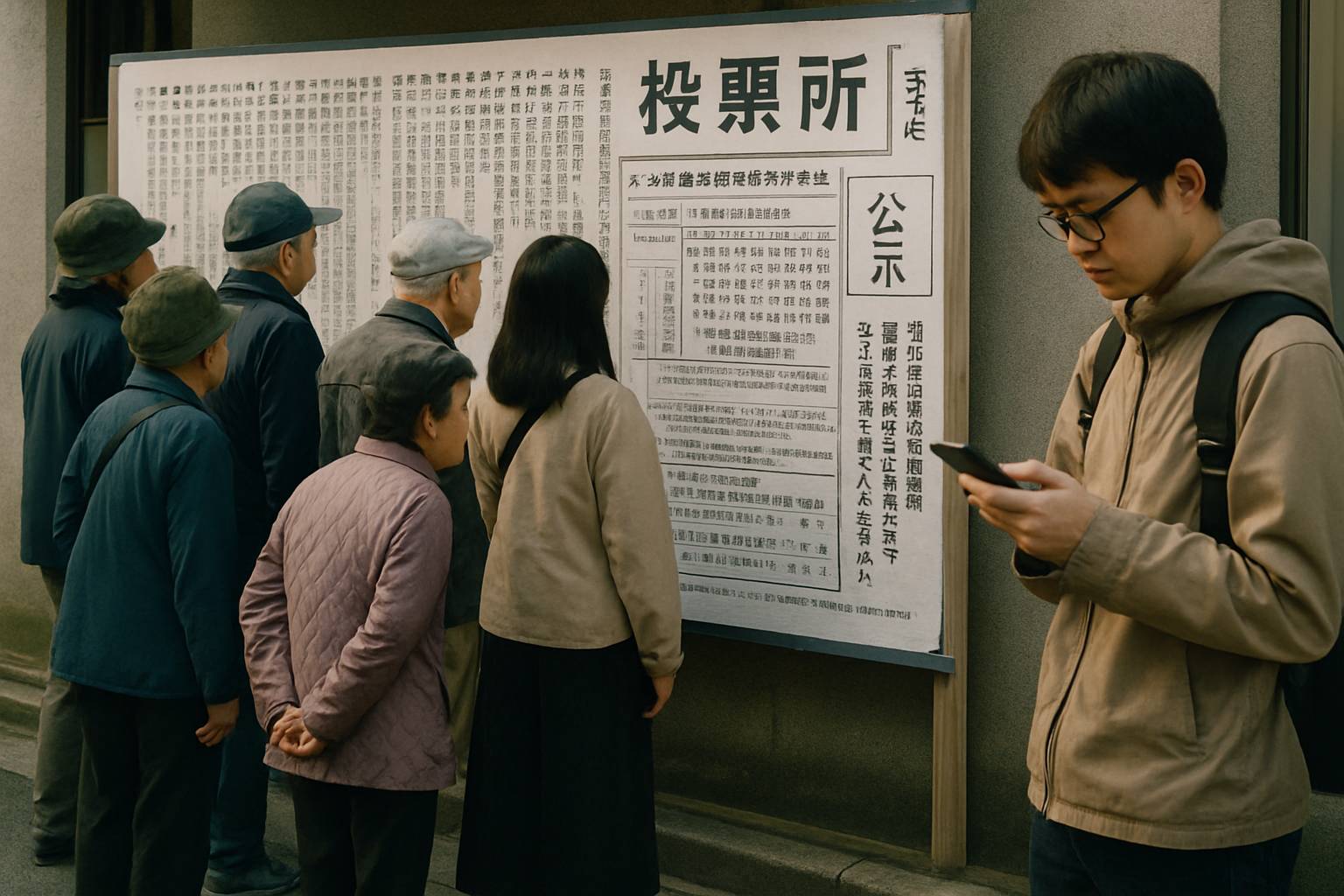
Viral Clip Highlights Risks
On 30 January, an anonymous account uploaded a doctored campaign broadcast to X, formerly Twitter. Moreover, the edit used text-to-video software to make party co-chairs Yoshihiko Noda and Tetsuo Saito dance. Authorities removed the post within twenty-four hours, yet impressions had already exceeded 1.6 million. Consequently, mainstream broadcasters covered the incident, transforming a prank into national conversation about Fake News.
Prof. Harumichi Yuasa noted that Japan’s Public Offices Election Law does not address altered online broadcasts. Therefore, current legal remedies remain unclear for candidates harmed by synthetic distortions. Sensity co-founder Francesco Cavalli added that reliable deepfake detection is becoming nearly impossible. These expert statements highlight immediate regulatory gaps. However, they also foreshadow longer-term trust issues if countermeasures fail.
The viral clip demonstrates speed, scale, and confusion. Meanwhile, a broader wave of AI slop threatens daily information feeds.
Defining Looming AI Slop
Merriam-Webster crowned “slop” as its 2025 word of the year. Greg Barlow described the label as fascinating, annoying, and ridiculous simultaneously. Furthermore, Japanese media adopted the phrase to capture relentless low-quality generative content. Analysts group deepfakes, spammy chatbot posts, and synthetic voice recordings under the same umbrella.
Fake News traditionally referred to deliberate textual misinformation. Now, AI slop broadens that category to immersive audio and video manipulations. In contrast, some campaign teams embrace inexpensive AI animation for legitimate outreach. Consequently, the boundary between creative campaigning and deception blurs for ordinary viewers.
- Text deepfakes spread fabricated policy quotes within seconds.
- Audio clones mimic candidates’ voices during robocalls.
- Video generators create convincing but false street interviews.
A clear definition matters for enforcement and platform policy. Therefore, the discussion quickly turns to educational defenses.
Impact On Voter Literacy
Recent surveys show the internet surpassing television as Japan’s top daily news source. Moreover, about 24 percent of respondents rely on social media for headlines. High online dependence magnifies risks when Fake News circulates unchecked. Voter Literacy determines whether citizens interrogate sources before sharing sensational clips.
- 46.5% read news online daily in 2025.
- 1.6 million viewed the doctored clip within 24 hours.
- 24% rely on social media for political news.
Educational institutions and NGOs have launched crash courses on synthetic media verification. Additionally, civic technologists distribute browser plugins that flag suspicious upload histories. Nevertheless, compressed campaign timelines leave minimal room for widespread training. Experts caution that older voters, already skeptical of technology, may dismiss genuine footage as Fake News.
Robust Voter Literacy reduces manipulation but requires sustained investment. Consequently, algorithmic dynamics deserve closer inspection.
Algorithmic Bias Amplifies Reach
Platform recommender systems prioritize engaging content, regardless of veracity. Therefore, sensational AI slop often earns preferential algorithmic placement. Algorithmic Bias can push doctored videos onto undecided demographics at critical decision moments. In contrast, boring fact-checks rarely trigger similar boosts.
Researchers warn that training data skews can embed existing political leanings into ranking models. Moreover, opaque design prevents external audits of bias mechanics. Algorithmic Bias thereby intersects with Fake News, reinforcing narratives before users recognize fabrication. Consequently, transparency advocates demand real-time explanation dashboards during election periods.
Unchecked algorithms increase exposure while eroding agency. Nevertheless, policy tools could narrow that gap.
Legal Framework Still Lagging
Japan’s Public Offices Election Law predates social platforms by decades. Meanwhile, deepfake creation now requires only a smartphone and an app. Prof. Yuasa argues lawmakers must amend statutes to criminalize malicious synthetic redistribution. However, parliament will not reconvene before ballots close on 8 February.
Comparative models include the EU’s Digital Services Act and Australia’s draft misinformation code. Furthermore, Singapore enforces takedown orders within hours for verified disinformation. Japan instead relies on voluntary guidelines that lack penalties for repeat offenders. Consequently, victims currently resort to defamation suits, a slow and costly process.
Timely legal reform remains essential to deter future Fake News floods. Subsequently, attention shifts to platform governance.
Platform Response And Solutions
X reported removing the viral clip for misleading content, yet offered limited transparency metrics. Meanwhile, TikTok claims automated classifiers detect deepfakes within minutes, a figure outside verification. YouTube relies on user flags plus partnerships with fact-checkers to curb Fake News. Furthermore, platforms label official party accounts to help Voter Literacy efforts.
Experts advocate open databases of removed items to support independent audits. Additionally, cryptographic provenance tags could confirm original broadcast authenticity. Professionals can validate skills through the AI Marketing Strategist™ certification. Consequently, certified teams may implement stronger content provenance programs during campaigns.
Collaborative platform, policy, and training steps can reduce Algorithmic Bias effects. However, enduring resilience depends on broader social strategies.
Strengthening Future Information Defenses
Media-literacy curricula must evolve alongside generative tools. Moreover, public broadcasters could air daily segments debunking prominent Fake News artifacts. Civil society groups plan rapid-response hotlines for reporting suspicious links or videos. Subsequently, election authorities may publish real-time rumor dashboards with official clarifications.
Investors are funding startups that watermark AI outputs for traceability. Additionally, researchers explore blockchain anchors for immutable provenance logs. International cooperation through the Hiroshima AI Process encourages shared standards among democracies. Nevertheless, continual adaptation will be needed as generators improve.
Holistic measures improve Voter Literacy and limit algorithmic manipulation simultaneously. Therefore, stakeholders must coordinate long after polls close.
Japan’s 2026 snap election offers a vivid stress test for democratic information systems. AI slop has merged with disinformation and Algorithmic Bias to form a combustible mix. Furthermore, regulatory inertia and opaque algorithms complicate swift intervention. Nevertheless, coordinated legal reform, transparent platform design, and continuous education can strengthen democratic resilience. Consequently, industry professionals should pursue advanced certifications and push organizations toward rigorous provenance tooling. Explore emerging best practices today to safeguard tomorrow’s ballots.
Disclaimer: Some content may be AI-generated or assisted and is provided ‘as is’ for informational purposes only, without warranties of accuracy or completeness, and does not imply endorsement or affiliation.


