

AI CERTS
2 months ago
Staff Error Exposes AI Governance Risks at White House
Officials first dismissed the outrage as manufactured. However, a rapid reversal blamed an unnamed staffer. That explanation sparked fresh questions. Accountability and transparent Communication Protocol procedures suddenly moved center stage. Observers asked who controls the president’s posts and how AI assets get vetted. The episode illustrates how technology, politics, and racial sensitivities collide in real time.
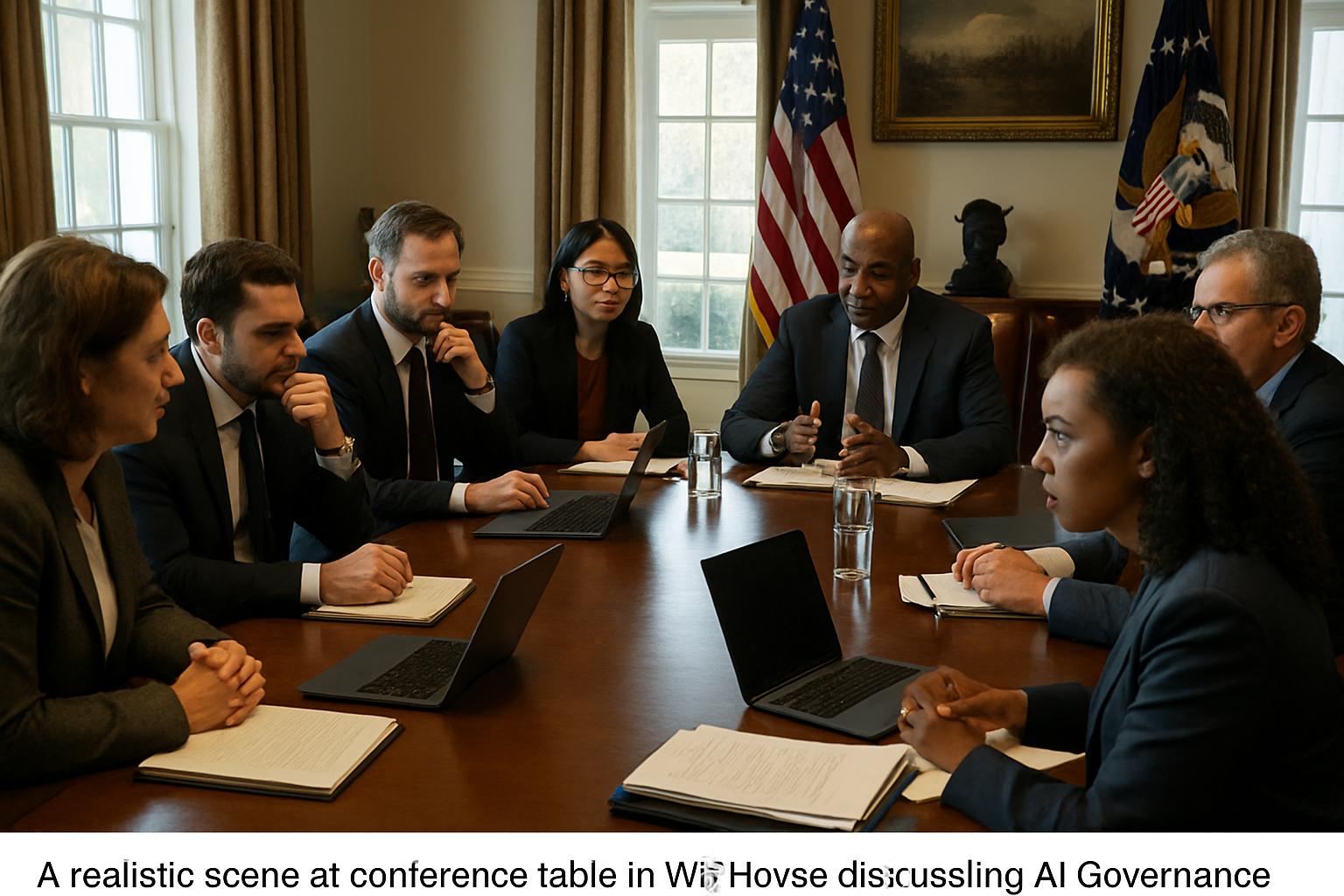
Crisis Sparks AI Governance
AI Imagery Raises Risks
The 62-second clip traced to an October 2025 meme watermarked @XERIAS_X. Digital analysts note several AI artifacts, including facial jitter and inconsistent lighting. Moreover, provenance checks suggest the Obamas segment was a generative composite. Such findings underscore persistent verification gaps. AI Governance experts warn that recycled memes can mutate, obscuring original context. Therefore, staff must confirm authenticity before resharing content from fringe accounts.
- Clip length: 62 seconds
- Time online: roughly 12 hours
- Original source: @XERIAS_X on X
These statistics highlight urgent oversight needs. Nevertheless, reactive deletions cannot repair reputational harm. The next section examines the unfolding timeline.
Timeline Highlights Control Gaps
11:44 p.m. ET, 5 February: the meme lands on Truth Social amid a posting spree. Subsequently, users screenshot the racist frames. Around noon on 6 February, the White House deletes the video and issues its staff-error statement. Meanwhile, President Trump tells reporters he “didn’t see” the offensive part and refuses to apologize.
This sequence reveals brittle Communication Protocol safeguards. Furthermore, it exposes inadequate pre-publication checks. AI Governance requires real-time monitoring and layered approvals. Without them, incendiary content can linger for hours, gaining traction across platforms.
The timeline underscores systemic vulnerabilities. However, political fallout pushes those weaknesses into national headlines, as detailed next.
Political Fallout And Responses
Staff Error Claim Scrutinized
Condemnation arrived swiftly. Democratic leaders labeled the post racist. In contrast, Republican Senator Tim Scott called it “the most racist thing” from the administration. Moreover, civil-rights organizations linked the imagery to historical dehumanization. The press secretary initially mocked critics, yet retracted when pressure mounted. Subsequently, reporters sought specifics about disciplinary steps, but officials remained silent.
Commentators questioned the staffer narrative. They cited previous assurances that only the president controls his social feed. Accountability demands clarity on access lists, approval chains, and archiving rules. Robust AI Governance mandates traceable logs detailing who posts, when, and with which assets.
Political backlash illustrates reputational stakes. Consequently, the White House now faces bipartisan demands for structural reforms, covered in the next section.
Strengthening Future Governance Safeguards
Robust Oversight Best Practices
Agencies must embed multilayer defenses. Firstly, establish a documented Communication Protocol requiring two-person sign-off for all multimedia posts. Secondly, deploy automated AI-forensics scanners that flag synthetic or hateful content. Additionally, schedule briefing refreshers on racial sensitivity and digital ethics. Professionals can enhance their expertise with the Chief AI Officer™ certification.
Key safeguards include:
- Role-based access controls with audit trails
- Real-time AI provenance verification tools
- Crisis escalation playbooks for rapid takedowns
- Periodic Accountability reviews by independent auditors
These measures align with modern AI Governance frameworks. Moreover, they strengthen public trust by proving diligence.
Comprehensive safeguards minimize repeat crises. Nevertheless, continuous refinement remains essential because technology evolves quickly.
This discussion shows practical steps toward resilience. Consequently, leaders must act before the next digital storm.
Effective policies merge technology and ethics. Therefore, sustained training, transparent reporting, and external audits close remaining gaps.
Such actions embed AI Governance deeply within institutional culture. Ultimately, citizens benefit from respectful, accurate communication.


