

AI CERTs
2 months ago
Google’s Follow-Up Prompts Reshape AI Search Experience
Google has stitched conversational intelligence directly into its flagship AI Search interface. The new follow-up suggestions, announced on 27 January 2026, move users from static answers to living dialogues. Consequently, professionals must understand how this shift alters Queries, traffic, and content Intent strategies. Furthermore, Gemini 3 now powers the underlying reasoning, enabling richer multimodal exchanges without resetting context. This article unpacks the technology, market impact, and next steps for stakeholders navigating rapid AI Search evolution. Nevertheless, strict data limitations mean every organisation should verify effects with its own analytics before reacting. Meanwhile, regulators and publishers are already scrutinising whether prolonged in-interface engagement might suppress external clicks. Therefore, the stakes span usability, monetisation, and long-term web ecosystem health. In contrast, Google emphasises that prominent links remain visible, claiming balanced discovery.
Contextual Conversational Shift Explained
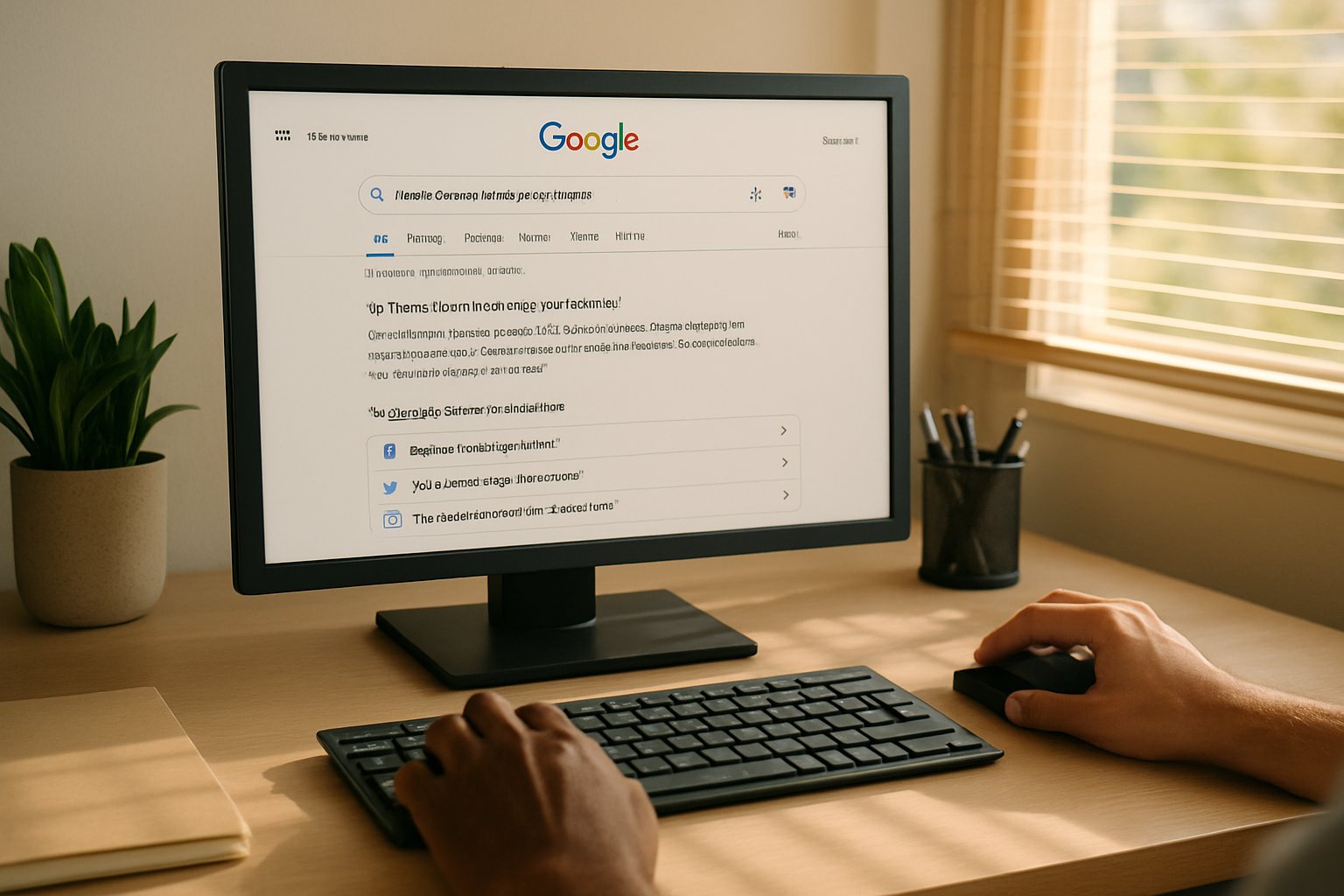
Follow-up suggestions appear beneath each AI Overview as short, tappable prompts. Meanwhile, AI Search surfaces the follow-ups only on informational intents according to Google. Subsequently, tapping any prompt launches AI Mode while preserving your original question, sources, and parameters. Therefore, users avoid repeating questions or clarifying Intent, saving valuable research minutes. In contrast, legacy result pages forced refreshed Searches that lost nuance. Google product lead Robby Stein calls the handoff "one fluid experience" linking summaries and deeper discussion. Moreover, Gemini enables images, voice, and longer text inputs during the same session. Consequently, a photo marked with Circle to Search can trigger immediate follow-ups inside AI Mode. These design choices reduce friction and invite conversational exploration. However, deeper engagement also raises new traffic questions, examined next.
Gemini 3 Powers Integration
The January rollout merged the latest model with AI Overviews and AI Mode backends. Consequently, reasoning quality improved while latency reportedly dropped by double-digit percentages in internal benchmarks. Furthermore, Google claims Gemini now evaluates multi-step Queries more reliably, thanks to expanded context windows. In contrast, previous PaLM-based systems often truncated elaborate Intent chains. Meanwhile, AI Search conversations can seamlessly accept images or diagrams, reflecting Gemini’s multimodal training. Moreover, engineers integrated vector memory so follow-ups remember entities across turns. These technical advances underpin the fluid user journey. Therefore, understanding the mechanics helps businesses anticipate capability roadmaps.
Publisher Traffic Concerns Rise
Publishers fear that contextual handoffs will dampen referral clicks. Vendor datasets already show noticeable click-through declines when AI Overviews appear. For example, Semrush sampled informational Queries and recorded up to 40% lower organic visits. Nevertheless, figures vary widely across niches, timeframes, and methodology. Consequently, every outlet should validate traffic shifts within its own dashboards before rewriting monetisation models. Google counters that AI Search still surfaces prominent source links beside each answer. Moreover, Stein stresses the design encourages exploration rather than replacing clicks. Traffic impacts remain uncertain without longitudinal, publisher-level evidence. Subsequently, we examine user benefits that might offset those concerns.
User Experience Benefits Detailed
From the user perspective, frictionless continuity ranks high. Additionally, suggested follow-ups pre-empt common Intent gaps, guiding novices through complex tasks. Meanwhile, preserved context eliminates redundant typing and reduces cognitive load. Therefore, AI Search positions itself as a personal research assistant rather than a mere index. Furthermore, Gemini can generate side-by-side ingredient lists, coding snippets, or travel itineraries within one conversational stream. Consequently, users complete multi-step research faster than in separate browser tabs.
- Context retention across turns enhances accuracy.
- Tappable prompts accelerate discovery for complex Queries.
- Multimodal inputs leverage Gemini visual reasoning.
- Reduced scrolling shortens task completion times.
Collectively, these perks boost satisfaction metrics reported in early usability studies. However, balancing convenience with web openness remains critical, discussed in our next data section.
Data Gaps And Verification
Reliable coverage numbers remain elusive because Google withholds granular telemetry. Third-party vendors fill the vacuum with sample-based dashboards, yet methodologies diverge. Consequently, reported AI Overview prevalence swings between 13% and 60% of informational Queries. In contrast, Google publishes only milestone posts, such as the Gemini 3 announcement. Moreover, click-through studies rarely isolate follow-up suggestions from other interface changes. Therefore, analysts should run controlled panel tests across regions, devices, and topic categories. Accurate measurement will guard against over-reacting to headline figures. Nevertheless, regulatory attention may accelerate demand for transparent metrics, explored next.
Future Regulatory Watchpoints Ahead
Competition authorities monitor platform self-preferencing, especially when experiences like AI Search retain users internally. Meanwhile, European publishers lobby for remuneration frameworks similar to news snippet rules. Additionally, misinformation watchdogs warn that extended conversations magnify hallucination risks. Google counters with disclaimers and ongoing model fine-tuning. Consequently, regulators could demand provenance audits or clearer sourcing inside follow-up answers. In contrast, some analysts believe strong citation links already satisfy fairness thresholds. Monitoring policy developments will help businesses adapt compliance strategies promptly. Subsequently, we outline actionable steps for professionals facing the evolving landscape.
Practical Steps For Professionals
Start by mapping Queries that currently trigger AI Overviews within your niche. Then record click-through baselines before the Gemini integration reaches full saturation. Furthermore, adjust content to answer broader Intent clusters rather than single keywords. Consider schema markup that improves citation visibility inside AI Search summaries. Professionals can enhance expertise through the AI Writer™ certification. Moreover, share annotated examples showing how your site answers remain valuable after the conversational shift.
- Audit follow-up prompt coverage weekly.
- Tag sessions that enter AI Mode for funnel analysis.
- Collaborate with SEO vendors on sampling methodology.
- Brief executives on potential revenue scenarios.
These actions build resilience despite uncertain traffic signals. Consequently, informed teams can adapt content strategies as AI Search matures.
Conclusion And Call-To-Action
Google’s follow-up suggestions mark an inflection point for AI Search and the broader information economy. Additionally, Gemini 3 lowers friction, while preserved context heightens user satisfaction. Nevertheless, vendor data suggests possible referral declines requiring vigilant measurement. Publishers, marketers, and regulators must act on evidence rather than headlines. Consequently, teams should run structured Search tests, strengthen citations, and pursue targeted certifications to stay competitive. Take the next step by auditing your data today and investing in continuous expertise development.


