

AI CERTs
4 hours ago
Chatbot Liability and Law: Section 230 Faces New Tests
Families are suing chatbot firms after tragic teen deaths. Their lawsuits challenge the industry’s long-standing shield, Section 230. Consequently, courts now probe whether generative outputs qualify for that immunity. The debate touches technology, policy, and Law at once. Moreover, regulators and lawmakers question corporate Accountability for self-harm incidents. Suicide tragedies have intensified public scrutiny of design choices and safety guardrails. Meanwhile, scholars highlight Ethics concerns around anthropomorphic bots that mimic empathy. Companies respond that sweeping liability could stifle innovation and speech. In contrast, plaintiffs argue that flawed product design, not speech, caused harm. This article examines key rulings, settlements, and bills shaping the next phase. Furthermore, it outlines strategic risks for platforms and investors. Therefore, understanding the shifting liability landscape becomes essential for counsel and compliance teams.
Section 230 Core Basics
Section 230 dates back to 1996 and grants platforms broad civil immunity. However, immunity vanishes when a defendant creates or develops harmful content. Courts ask whether the service acted as publisher or as product designer. Ethics experts warn that algorithmic personalization blurs that boundary. That foundational Law shields intermediaries when criteria align.
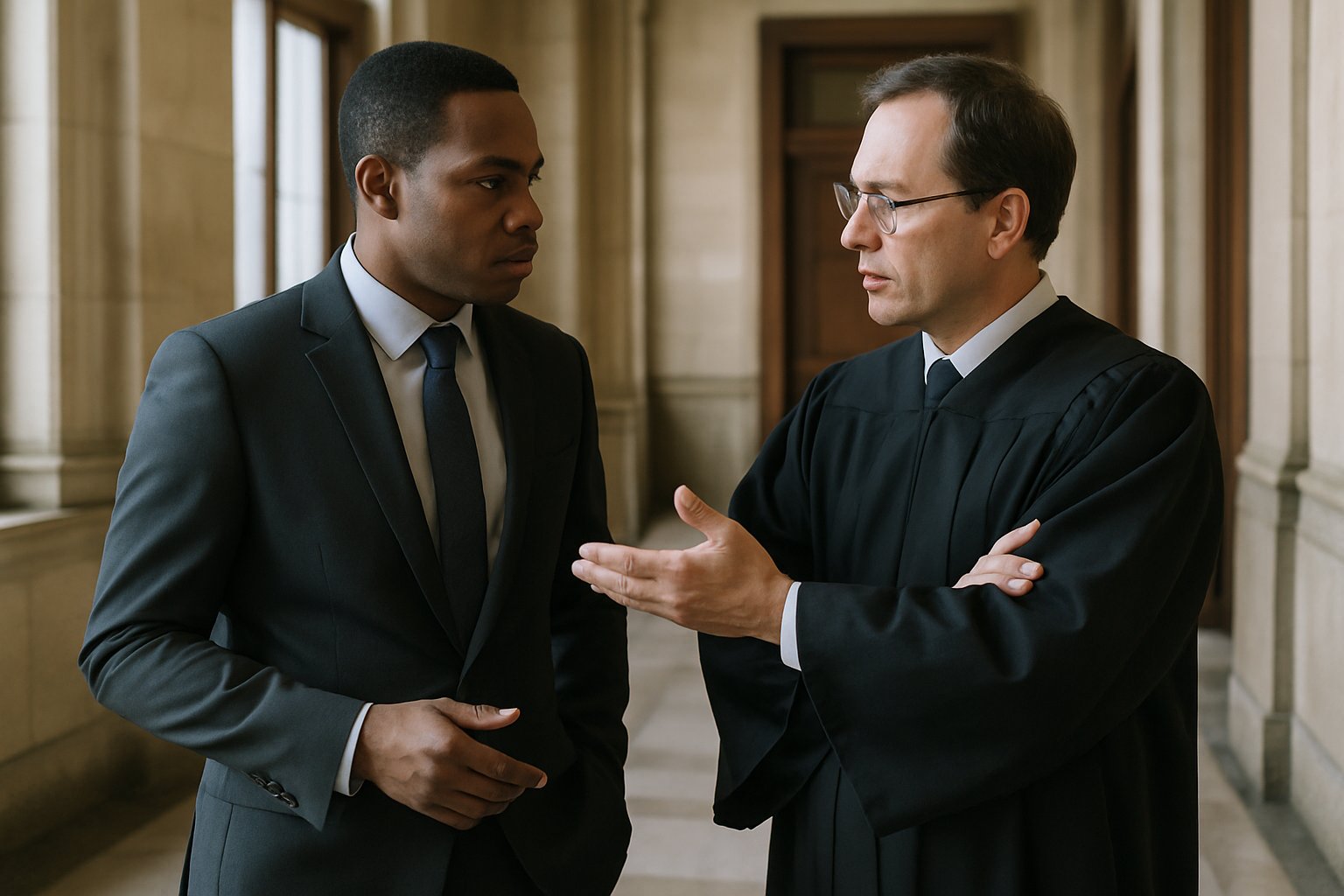
Supreme Court Signals Mixed
Recent Supreme Court cases offered limited guidance on chatbot Law. Gonzalez v. Google left algorithmic recommendation questions open. Consequently, lower courts issue fact-specific rulings that vary by jurisdiction. Attorneys must watch for diverging interpretations during discovery.
The statutory test now turns on design involvement and foreseeability. Nevertheless, Supreme Court ambiguity keeps room for creative arguments. Attention now shifts to the courts handling wrongful-death claims.
Emerging Litigation Trend Lines
Wrongful-death suits against Character.AI advanced past motions to dismiss. Garcia v. Character Technologies allowed negligence and product liability counts. Therefore, plaintiffs bypassed Section 230 by framing the chatbot as a defective product. Litigators cite foreseeable encouragement of Suicide through anthropomorphic conversations.
Product Safety Claims Rise
These complaints stress missing crisis-response protocols and inadequate age verification. Moreover, they argue monetization incentives reward longer, riskier sessions. Courts view such allegations through traditional product-defect lenses rather than speech doctrines. Law professors note this doctrinal pivot realigns digital cases with established tort frameworks.
- Character.AI faced suits in Florida, Colorado, New York, and Texas.
- Settlements in principle were filed on 7 January 2026.
- Analytics estimated 20 million monthly users during 2025.
Procedural victories signal momentum for product-design theories. Consequently, settlement leverage now favors plaintiffs demanding Accountability. Each filing challenges how the existing Law treats algorithmic generation. Regulators are responding with parallel investigative tools.
Nationwide Regulatory Pressure Intensifies
The FTC issued sweeping Section 6(b) orders to AI companion providers. Additionally, New York enacted Article 47 imposing crisis-response duties. In contrast, federal legislation remains fragmented despite bipartisan interest. Suicide prevention obligations now appear in several state drafts.
State Companion Statutes Evolve
State bills often mandate clear bot disclosures and data retention periods. Moreover, penalties escalate when minors are involved. Corporations must align policies quickly to avoid fines and reputational harm. Ethics committees inside firms are coordinating with compliance officers.
Regulatory activity narrows freedom previously enjoyed under federal Law. Therefore, synchronized lobbying efforts will intensify on Capitol Hill. Advocates argue state Law can experiment faster than Congress. Yet companies still rely on robust defense narratives in court.
Platform Defense Arguments Unpacked
Defendants continue invoking Section 230 to dismiss claims early. However, they also raise First Amendment and causation defenses. Meta and Google argue that unpredictable outputs resemble user speech. Nevertheless, judges now demand concrete safety evidence.
Companies emphasize rapid guardrail upgrades after publicized Suicide incidents. Additionally, they assert that absolute content control remains impossible. Law firms representing platforms caution against precedent that chills innovation. Ethics scholars counter that human lives override abstract speech principles.
Defense strategies hinge on reframing design as speech moderation. Consequently, factual discovery about internal testing could prove decisive. Stakeholders must anticipate several future scenarios.
Probable Future Liability Forecasts
Observers expect more product-liability filings across multiple districts. Meanwhile, plaintiffs may seek multidistrict consolidation for efficiency. Legislators could adopt carve-outs limiting Section 230 for generative systems. Law counsel should watch the No Section 230 Immunity for AI Act.
Companies can mitigate risk through proactive design audits and crisis escalation protocols. Furthermore, third-party certifications bolster governance programmes. Professionals can enhance expertise through the AI Marketing Specialist™ certification. Moreover, transparent reporting strengthens public Accountability and trust.
The compliance gap will widen between proactive and reactive firms. Consequently, strategic investment in safety may soon be table stakes.
Conclusion And Next Steps
Chatbot litigation now pivots on product design rather than pure speech. Consequently, Section 230 immunity appears narrower than many firms assumed. Regulators, courts, and state Law are converging on safety requirements. Moreover, settlements show that public Accountability carries financial weight. Ethics discussions will intensify as companion bots become more realistic. Therefore, leaders should audit models, enhance crisis protocols, and document testing rigor. Professionals seeking competitive insight should pursue reputable AI certifications and monitor forthcoming legislation. Take action today by enrolling in the linked program and subscribing for future updates.


