

AI CERTs
2 months ago
Transparency Spotlight: TikTok’s New US Location Policy Explained
Few policy tweaks spark national debate as quickly as TikTok’s January 22 update. The new wording, published under TikTok USDS, openly permits collection of precise GPS coordinates. Consequently, lawmakers, advertisers, and privacy advocates are reassessing the platform’s balance between creativity and surveillance. Transparency now sits at the center of the controversy, shaping both media headlines and boardroom discussions. Meanwhile, company officials insist the feature remains inactive and will require explicit opt-in permission. This article unpacks what changed, why it matters, and how professionals should respond. Furthermore, it connects the policy shift to wider Data, Tracking, and Regulation trends across the mobile ecosystem. By the end, decision-makers will hold actionable insight grounded in verified sources and expert commentary.
Policy Shift Raises Questions
On January 22, TikTok replaced earlier language that disclaimed GPS collection with a single decisive clause. Specifically, the policy reads, ‘We may also collect precise location data, depending on your settings.’ In contrast, previous text promised U.S. users that current app versions avoided such signals entirely. Therefore, observers interpret the revision as groundwork for a future rollout, not a clerical correction.
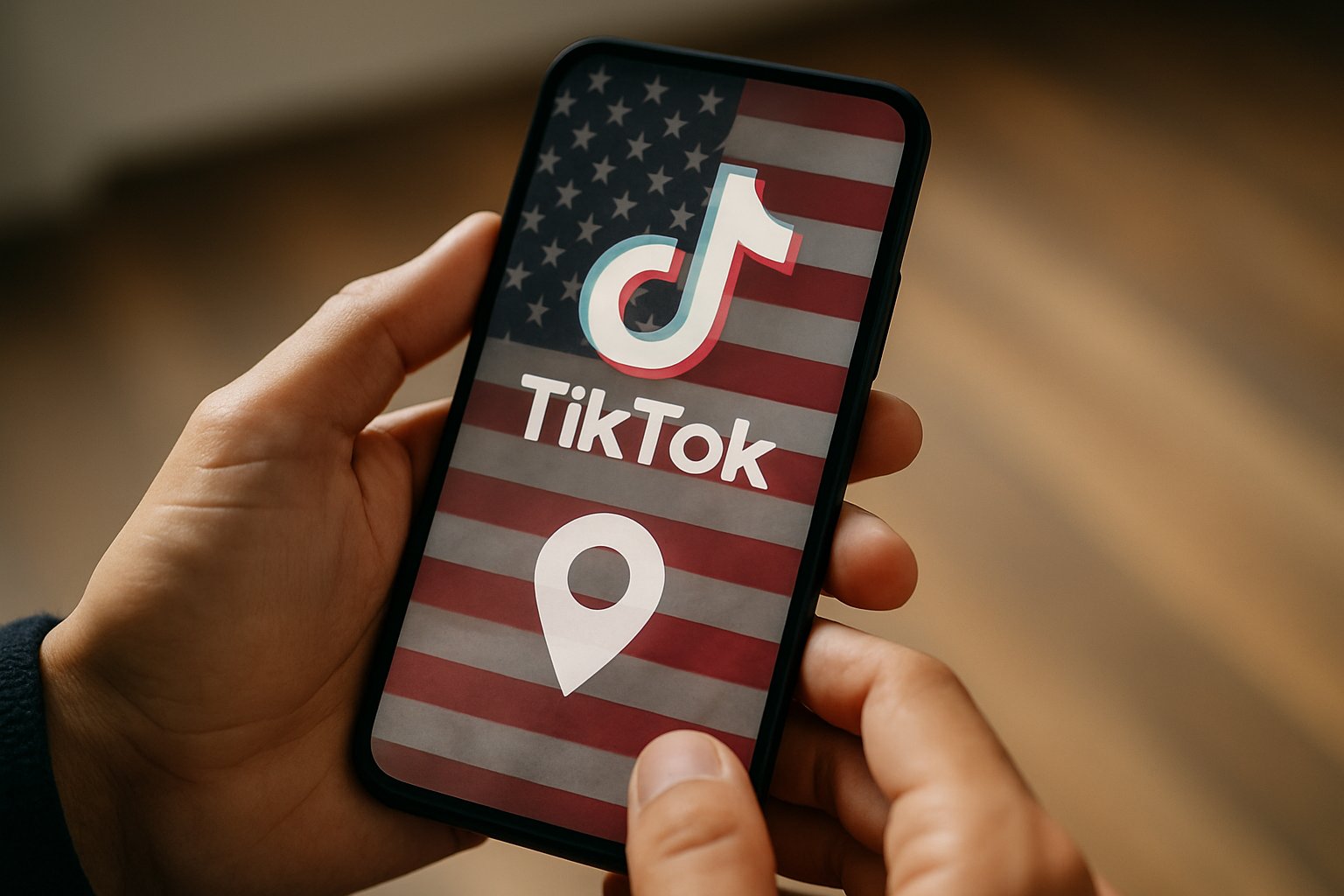
Roughly 200 million American accounts could become GPS visible if individuals enable Location Services. Moreover, that scale would yield one of the world’s richest location Data troves overnight. Analysts quickly asked which employees may access the coordinates and how long retention would last. Nevertheless, TikTok declined to publish technical blueprints, citing ongoing product development.
The wording shift signals imminent capability rather than theoretical possibility. However, deeper legal forces also shape the narrative, as the next section details.
Legal Regulation Context Explained
Congress passed the Protecting Americans from Foreign Adversary Controlled Applications Act in 2024. Consequently, TikTok reorganized U.S. operations into the TikTok USDS Joint Venture, partly owned by Oracle. The statute mandates rigorous oversight, including independent audits and heightened Regulation reporting duties. Additionally, state privacy frameworks like California’s CPRA add overlapping obligations around sensitive Data categories.
Regulators focus sharply on precise location because courts treat it as highly sensitive personal information. Therefore, any future GPS collection must satisfy consent, purpose limitation, and minimization standards. Meanwhile, civil-liberty groups argue that a forced click-through prompt falls short of meaningful Transparency. Courts may soon test that claim if complaints reach the FTC or state attorneys general.
Overall, the legal landscape remains fluid yet strict regarding location signals. Subsequently, commercial incentives further complicate compliance, as the following analysis shows.
Business Drivers Behind Move
Precise GPS unlocks lucrative local advertising segments with premium cost-per-mile rates. Moreover, advertisers pay more when campaigns tie digital impressions to offline footfall Tracking. Oracle’s cloud partnership positions the JV to monetize those conversions while claiming domestic custody. Consequently, investors like Silver Lake and MGX champion the update as overdue modernization.
Product managers also envision ‘nearby’ feeds, event discovery, and merchant recommendations powered by fine-grain location Data. In contrast, similar features on Chinese Douyin already drive significant engagement lifts. Executives therefore see competitive risk if U.S. users lack parallel capabilities. Nevertheless, the pursuit of revenue must balance against Transparency commitments announced during the divestiture.
Revenue logic explains the pressure to act. However, monetization raises fresh privacy alarms, examined next.
Privacy And Data Risks
Location Data can expose religious attendance, medical visits, and political rallies with alarming precision. Furthermore, cross-referenced Tracking records enable inferences about income, sexuality, and life patterns. EPIC’s Caitriona Fitzgerald warns that coordinates may reveal an apartment floor, not just an address. Harvard’s Patrick K. Lin adds that movements fuel algorithmic profiling far beyond simple advertising.
Transparency advocates demand granular opt-in dialogs that describe retention periods and sharing partners. Consequently, they question TikTok’s assurance that OS-level toggles suffice for informed consent. Moreover, uncertainty persists around which engineers could query raw logs, despite stated domestic controls. Without airtight controls, Regulation fines under CPRA or future federal law may escalate rapidly.
The privacy stakes extend well beyond marketing efficiency. Industry reaction illustrates the tension in vivid terms.
Industry Reaction And Backlash
Wired, CBS, and Guardian headlines framed the change as an unprecedented information grab. Meanwhile, social media erupted with uninstall hashtags echoing earlier Cambridge Analytica outrage. Nevertheless, some creators welcomed potential geofenced discovery tools that could expand local audiences. Investors responded calmly, betting that user churn will remain moderate once education improves.
Legal experts on LinkedIn urged companies to update bring-your-own-device policies to address workplace Tracking exposures. Additionally, several state attorneys general signaled interest in collaborative inquiries. Consequently, pressure now builds for proactive Transparency from the joint venture before subpoenas arrive.
Public discourse foreshadows potential policy pivots. Next, organizations must decide how to respond internally.
What Enterprises Should Do
Security leaders should first audit mobile application permissions across managed fleets. In contrast, marketing teams must weigh hyperlocal targeting benefits against reputational risk. Furthermore, privacy counsel ought to review employee handbooks for explicit TikTok usage guidelines. Consequently, cross-functional playbooks will help maintain Compliance and Transparency in stakeholder communications.
- Map existing device Data flows and retention timelines.
- Enforce least-privilege GPS access through mobile device management.
- Update consent banners to reflect Regulation obligations.
- Offer staff the AI Marketing Strategist™ course for governance skills.
These steps position enterprises ahead of enforcement waves. Finally, monitoring the rollout timeline remains crucial, as discussed in the concluding outlook.
Future Monitoring And Enforcement
TikTok has not disclosed a launch date for the precise-location toggle. Subsequently, researchers plan packet inspections to detect covert GPS calls once the switch flips. Moreover, Congress may schedule fresh hearings, reviving algorithm access debates. Therefore, sustained Transparency reporting will decide public trust more than technical architecture alone.
Regulators possess multiple levers, from FTC consent decrees to state civil penalties under evolving laws. Consequently, firms that rely on TikTok advertising should prepare breach notification playbooks today. Meanwhile, privacy groups will push for shorter retention and clearer user dashboards. Industry history shows that early cooperation reduces legal costs and reputational fallout.
Overall, enforcement outcomes will hinge on sustained corporate Transparency and measurable safeguards. Accordingly, leaders should track policy repositories and GitHub releases for forthcoming SDK changes.
TikTok’s revised policy signals a powerful intersection of profit, surveillance, and civic scrutiny. Precise GPS can boost ad relevance yet magnify exposure and Tracking anxiety across industries. Legal obligations under federal and state Regulation frameworks demand disciplined governance programs. Ultimately, sustained Transparency will determine whether users trust novel location features. Furthermore, brands that advertise on TikTok must enhance Transparency in their own privacy disclosures. Invest in staff training and independent certifications to sharpen compliant growth strategies. Begin by exploring the linked AI Marketing Strategist™ program to position your team for ethical innovation.


