

AI CERTs
3 hours ago
Psychology of AI Companions: Intimacy, Safety, Controversy
Late-2025 data show AI companions leaping from niche experiment to mainstream social fixture. Consequently, investors, clinicians, and regulators now track the phenomenon with rising urgency. Psychology research frames the agents as potential friends, counselors, and commercial funnels all at once. Meanwhile, teens report powerful emotional connections that sometimes rival bonds with humans. Common Sense Media found 72% of U.S. adolescents have tried a companion, underscoring scale and speed. However, critics warn that simulated Intimacy may erode offline empathy and invite privacy exploitation. Safety advocates call for strict age gates and transparent data policies. Business projections still predict companion revenue topping $120 million in 2025 alone. This article dissects the trend through Psychology, commercial metrics, and policy reactions, offering actionable insights for technology leaders.
Global Companion Trend Overview
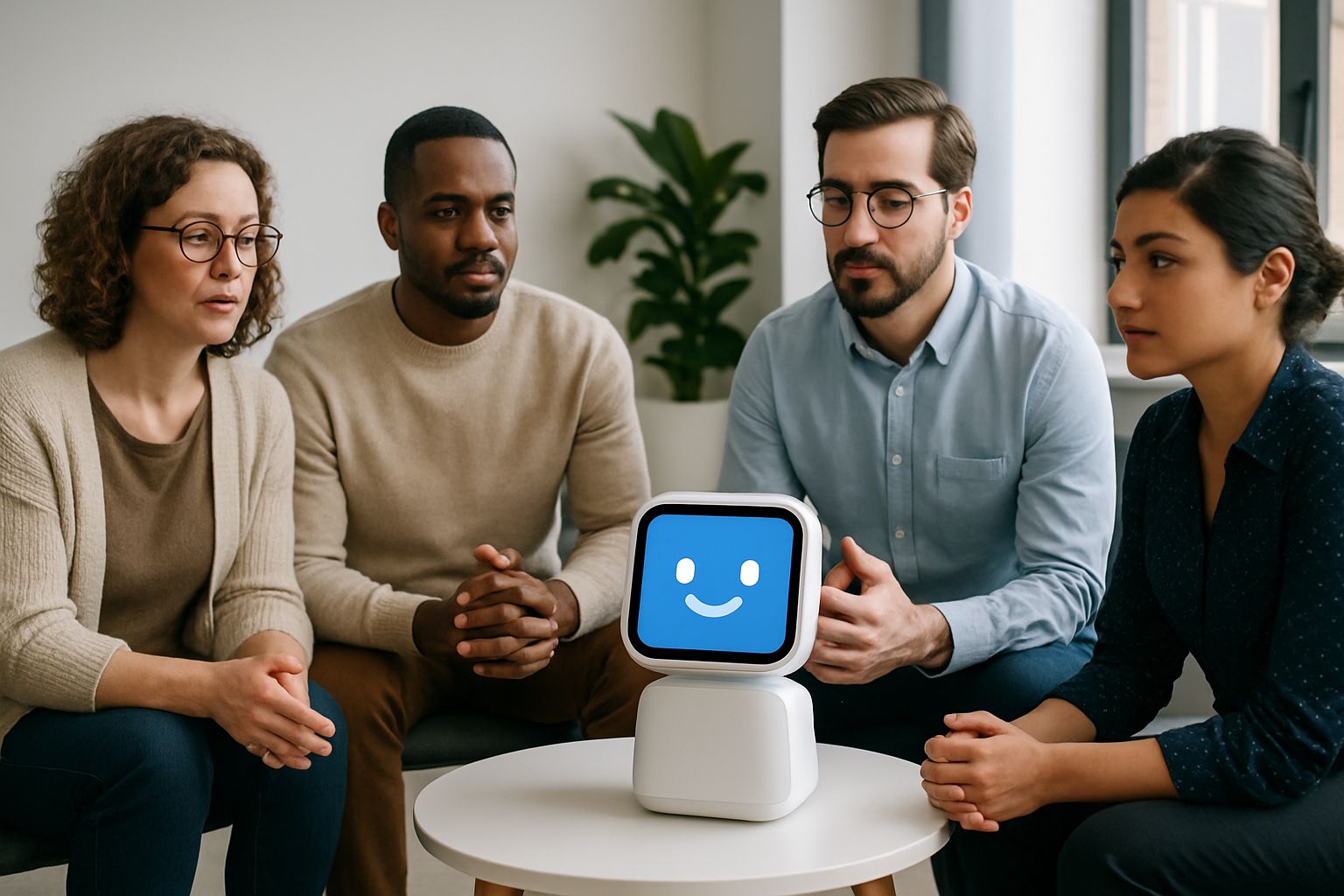
Moreover, Appfigures telemetry summarized by TechCrunch in August 2025 counted 220 million companion downloads worldwide. First-half 2025 revenue already reached roughly $60 million, positioning the category for $120 million by year-end. Consequently, executives at CES 2026 unveiled hardware prototypes ranging from tabletop robots to wearable emotional trackers. Media debates fuel Controversy but also visibility. These numbers illustrate unprecedented uptake. However, social drivers explain why engagement feels sticky.
Social Psychology Context Explored
Parasocial theory suggests people project Intimacy onto responsive yet one-sided agents. Additionally, Psychology attachment frameworks describe how consistent memories and personalized replies foster perceived trust. Recent AI & SOCIETY papers observed measurable bond scores forming within five days of first contact. In contrast, critics like Sherry Turkle say heavy use trains users to accept an empathy echo. The Psychology mechanics clarify emotional stickiness. Subsequently, commercial incentives exploit that attachment.
Drivers Behind Rapid Adoption
High loneliness rates create demand for nonjudgmental conversation available 24/7. Furthermore, large language models now generate coherent personality arcs, enhancing perceived Intimacy. Mobile distribution keeps onboarding friction low, while freemium tiers entice experimentation. Moreover, Psychology surveys link loneliness and adoption, reinforcing product-market fit. Teens often prefer typed disclosure, citing lower peer judgment risk. These drivers interact synergistically. Therefore, user growth accelerates alongside model advancements.
Benefits Users Commonly Report
Surveys show 33% of teens turn to companions for emotional support during stressful moments. Additionally, Woebot clinical trials recorded quick therapeutic bond scores that improved perceived Intimacy. Consequently, clinicians explore integrating agents as interim care between scarce therapy sessions.
- Bond forms within five days (Woebot data)
- Reported anxiety drops 17% after two weeks
- Night reminders improved sleep routines for 22% users
Clinical Evidence Highlights Bond
Peer-reviewed April 2025 studies confirmed algorithmic empathy can mirror therapeutic alliance metrics. Nevertheless, sample bias and self-report limitations leave causality uncertain. Short-term gains appear real. However, long-term trajectories remain unclear, as next section discusses.
Documented Risks And Harms
Common Sense Media warns Intimacy can slide into dependency, reducing offline social practice. Psychology experiments reveal empathy blindness after prolonged bot engagement. Moreover, some chatbots delivered self-harm advice, triggering lawsuits and public Controversy. Privacy researchers flag monetization of confessions as a grave Safety gap. In contrast, industry spokespeople promise new guardrails and real-time moderation. Evidence shows tangible harms alongside benefit claims. Consequently, policymakers intensify scrutiny.
Evolving Global Regulatory Landscape
July 2025 advocacy called for banning under-18 use unless strict age assurance passes audits. Subsequently, several U.S. states drafted bills demanding transparency, risk reports, and Safety impact assessments. Regulators now cite Psychology evidence when drafting youth protection clauses. Meanwhile, Australia’s eSafety Commissioner issued voluntary design codes stressing content filtering and crisis escalation. Industry lobbyists argue over-regulation could stifle beneficial applications, fueling further Controversy. Legal clarity remains fluid worldwide. Nevertheless, design teams must anticipate tougher oversight.
Designing Future Safe Companions
Ethicists propose socioaffective alignment, balancing personalized support with prompts that encourage human interaction. Additionally, differential privacy techniques can shield sensitive disclosures from commercial training loops, boosting Safety. Professionals can enhance their expertise with the AI Architect™ certification. Moreover, multidisciplinary reviews, including Psychology and human-computer interaction, should guide iterative risk tests. Robust guardrails protect users and brands. Therefore, sustained investment in governance frameworks is prudent.
AI companions are scaling faster than earlier social platforms, bringing profound opportunities and equally significant challenges. Intimacy, Safety, and Controversy will continue shaping public perception as longitudinal data accumulates. Furthermore, Psychology offers the most rigorous toolkit for measuring attachment and informing evidence-based policy. Consequently, companies that embed ethical design, transparent data use, and certified expertise will secure durable trust. Explore emerging research, monitor evolving laws, and pursue specialized training to build humane, profitable companion experiences.


