

AI CERTS
2 months ago
TikTok Union Protest sparks global AI labor showdown
These linked fights reveal how automation reshapes jobs, trust, and public reputation. Moreover, unions argue that human oversight remains essential for safe platforms and original reporting. The stakes extend beyond payroll; they address accountability, compliance, and democratic information flows. This article traces the current flashpoints, legal precedents, and strategic options for industry leaders.
Ultimately, understanding these events will prepare managers to navigate escalating AI labor conflicts. Meanwhile, professionals can boost resilience through verified skills. For example, they can pursue the AI Researcher™ certification to deepen insight. The coming sections examine both platform and newsroom battlegrounds in detail.
Berlin Moderators Walk Out
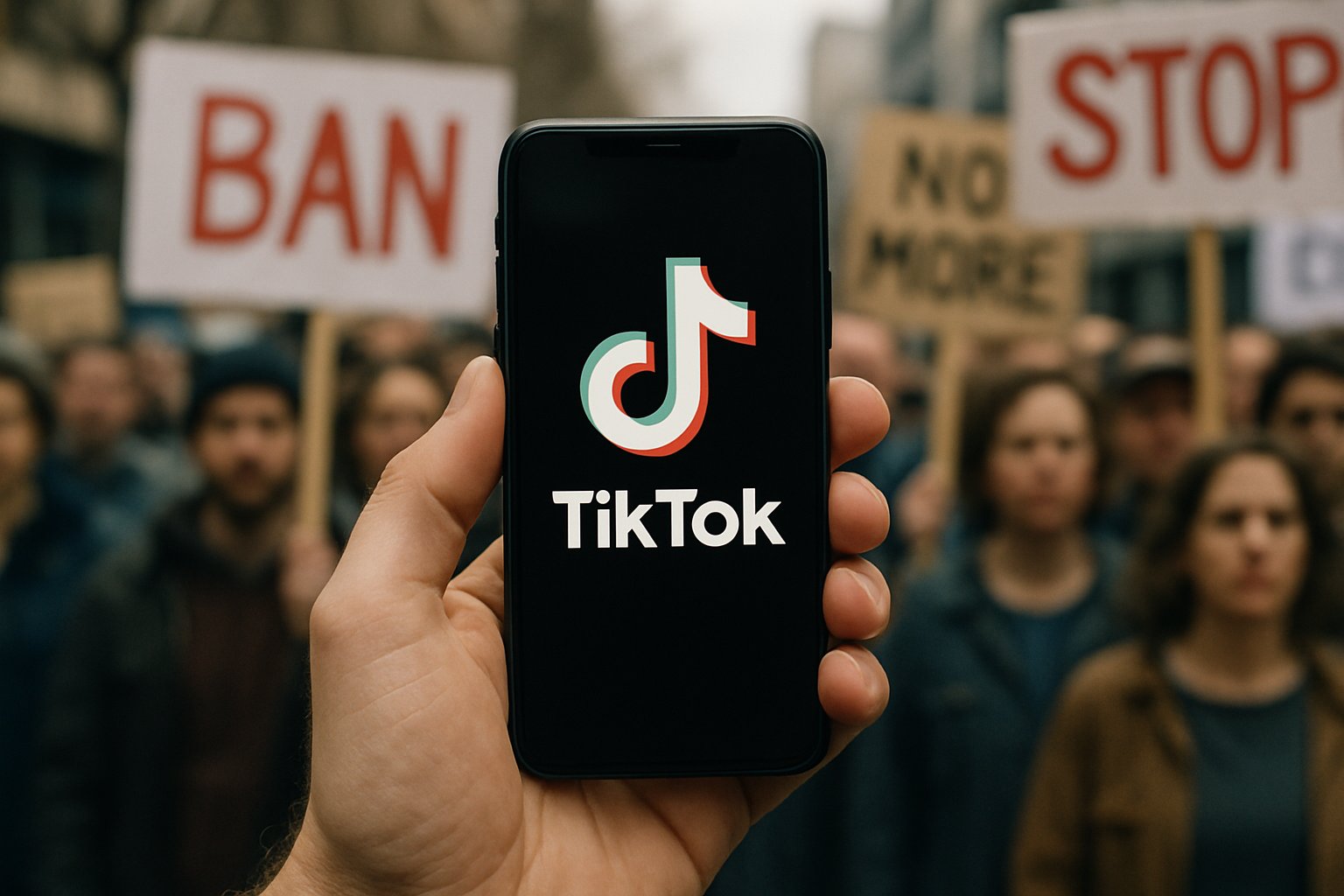
In July 2025, 150 Berlin moderators learned their roles would be eliminated within weeks. However, management offered little clarity about severance or retraining. Therefore, ver.di organized a TikTok Union Protest outside the company’s Prenzlauer Berg office. Strikers chanted, "We trained your AI—pay us," highlighting unpaid data labor. Moreover, UNI Global joined, framing the cuts as a dangerous blow to platform safety.
Regulatory pressure complicates TikTok’s automation ambitions. Under the EU Digital Services Act, platforms must evidence effective human oversight. Consequently, critics warn that replacing local teams with outsourced night shifts invites legal scrutiny. Union leaders demand twelve months' notice and severance equaling several years’ pay. Negotiations remain stalled, and further walkouts loom.
The TikTok Union Protest also resonated with Germans wary of Silicon Valley style abrupt layoffs.
These Berlin clashes spotlight unresolved questions around fair automation and local accountability. Global reactions amplify that tension, as the next section reveals.
Global Labor Solidarity Builds
Across Europe and Asia, similar cuts breed coordinated resistance. Furthermore, online meetings connect Spanish, Malaysian, and Dutch moderators facing parallel threats. Organizers frequently cite the TikTok Union Protest as inspiration for transnational action. UNI Europa released a memo titled "We Trained Your Machines—Now Compensate Us". Meanwhile, U.S. unions share strategies for strike funds and mental health support. Consequently, petitions referencing the TikTok Union Protest spread across moderator forums.
Key figures illustrate the dispute’s wider scale.
- 159–170 million: TikTok monthly European users reported for 2025.
- 24–26 million: Estimated German monthly users affected by Berlin cuts.
- $23 billion: TikTok 2024 global revenue, according to industry trackers.
- 80–90%: Automated detection rates often claimed by platforms.
Collectively, these numbers prove that moderation changes reverberate far beyond one city. Newsrooms are encountering their own AI storms, as the following section explains.
Publishers Face Byline Backlash
Business Insider stunned staff by launching a "Business Insider AI" authorship tag overnight. In contrast, CNET earlier paused similar experiments after factual errors damaged its reputation. Journalists quickly filed grievances asserting contract rights to review technology that affects workloads. Moreover, unions argued that opaque processes undermine reader trust and dilute original analysis. Politico’s arbitration victory soon provided legal leverage for other newsrooms. Staffers warned editors that another high-profile TikTok Union Protest could spill into media if transparency lags.
The concept of an AI byline troubles many reporters. Hallucinated facts, cultural bias, and unclear accountability threaten outlet reputation and reader loyalty. Nevertheless, management sees faster output and lower costs. Editors fear that a visible TikTok Union Protest model could encourage newsroom walkouts. Some propose hybrid workflows where humans edit machine drafts to ensure originality and accuracy.
Union lawyers insist that any such models require bargaining and transparent labeling. Legal rulings now shape that bargaining, which the next section covers.
Legal Precedents Shape Bargaining
An arbitrator recently ruled that Politico violated its collective agreement by introducing AI tools without notice. Consequently, the company faced penalties and a mandate to negotiate future implementations. Lawyers say the decision sets a template for other TikTok Union Protest allies inside media. Moreover, contractual language often requires sixty days’ notice when roles or tools materially change. Failure to comply can result in backpay and extended jurisdiction for union monitors.
Regulators also weigh in under data protection and misleading advertising statutes. Therefore, companies face parallel scrutiny from courts, unions, and watchdogs.
These converging pressures elevate legal risk for unilateral AI rollouts. Cost narratives drive those rollouts, an issue the next section debates.
Platform Safety Versus Cost
ByteDance defends automation by citing 80–90% automated detection rates. However, civil society groups argue that such metrics obscure complex realities. Language nuance, satire, and extremist code words still baffle algorithms. Similarly, newsroom AI can misattribute quotes or fabricate original interviews, imperiling journalists’ credibility. Moreover, repeated errors corrode audience trust and long-earned reputation.
Financial officers still view AI as a path to leaner operations. Nevertheless, severance, arbitration, and compliance fines can offset projected savings. Observers link such miscalculations to backlash patterns seen during the TikTok Union Protest. Adding skilled human reviewers may appear costly yet prevents expensive crises. Professionals can model such trade-offs with risk-adjusted forecasting.
Sensible budgets blend automation with accountable human labour. Stakeholders now seek strategic roadmaps, detailed in our final section.
Strategic Paths For Stakeholders
Managers should begin with a transparent AI inventory covering moderation and byline tools. Next, engage unions early, sharing timelines, pilots, and human review plans. Additionally, devote budget to reskilling displaced employees. Affected journalists deserve clear authorship policies, crediting original reporting and outlining liability. Moreover, platforms should publish detailed accuracy audits to rebuild user trust.
Regulators can incentivize best practice through transparency scorecards and safe harbor extensions. Civil groups should hold open consultations, inviting diverse communities. Consequently, shared standards may emerge faster than isolated workplace battles.
Individuals also benefit from continuous learning. For instance, mastering audit techniques via the AI Researcher™ program strengthens career security. Proactive collaboration mitigates risk while preserving innovation. Averting the next TikTok Union Protest requires shared metrics and timely dialogue. The concluding thoughts summarize key lessons and next steps.
Final Takeaways
Automation is accelerating yet negotiable. Berlin strikes and newsroom arbitrations show labor can shape outcomes. However, proactive dialogue remains the most efficient path. Managers should weigh cost, trust, and reputation alongside compliance duties. Meanwhile, journalists must protect original craft and ethical standards through collective bargaining. Consequently, balanced frameworks that integrate human expertise with audited AI will sustain growth. Therefore, explore certifications and policy guides to prepare for the next TikTok Union Protest or similar flashpoint.


