

AI CERTS
2 months ago
Primary AI Backlash Engulfs Aronofsky Series
This feature unpacks the launch, the technology, and the stakes behind the uproar. Moreover, it examines how the debate could steer future film and television workflows. Professionals can also enhance their expertise with the AI Writer™ certification.
Launch Sparks Immediate Uproar
Primordial Soup released two episodes on January 29 and 30. TIME Studios handled distribution while Salesforce sponsored production. Meanwhile, Google DeepMind supplied Veo models for image generation. The release coincided with the 250th anniversaries of the depicted events.
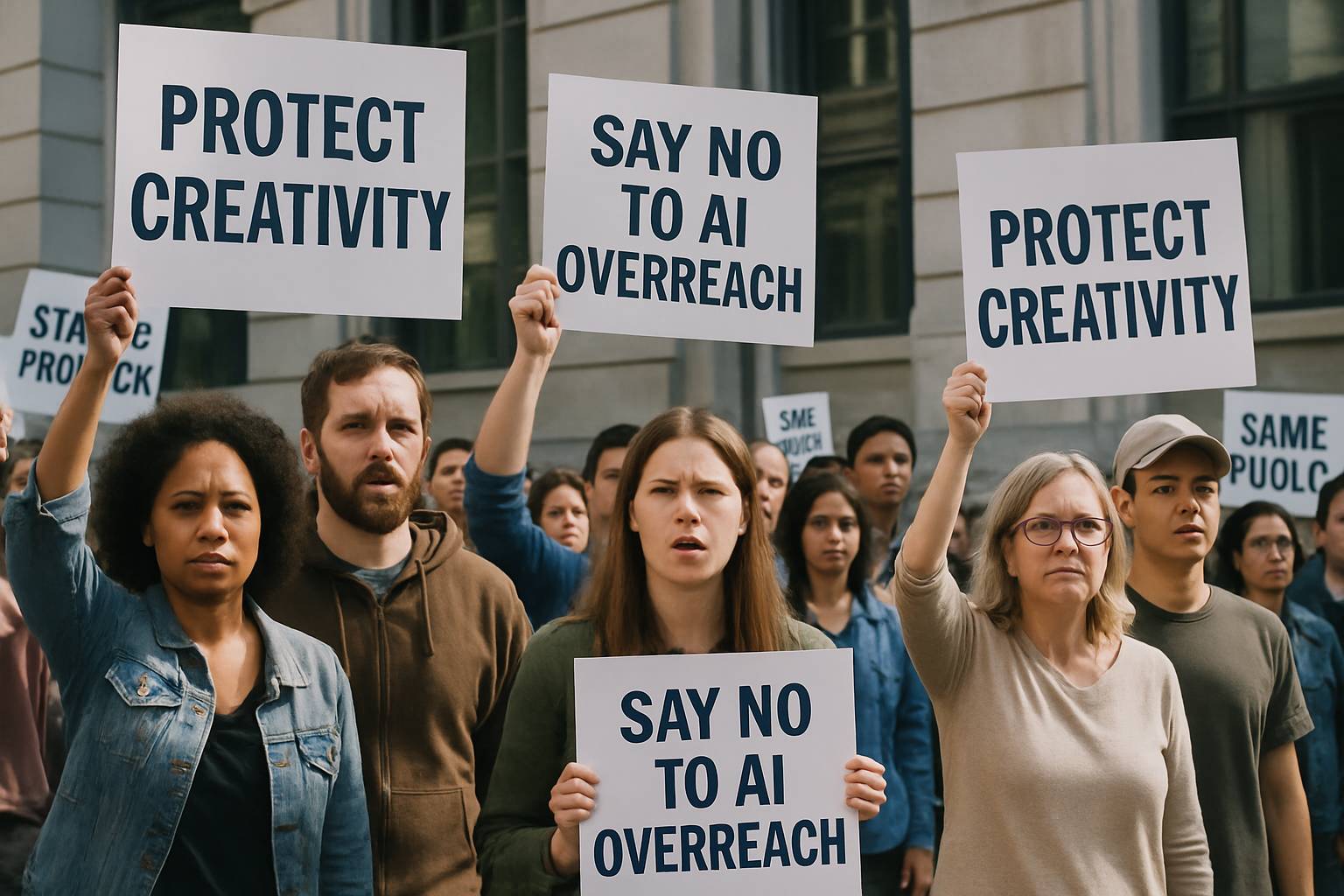
Public response was rapid and negative. The Guardian branded the work “AI slop” and compared its visuals to low-budget horror. PC Gamer highlighted facial glitches and unreadable props. In contrast, TIME Studios president Ben Bitonti framed the series as a creative experiment that expands possibilities.
These conflicting views set the tone for further analysis. Nevertheless, the initial backlash created momentum that shaped every subsequent conversation.
Technical Pipeline Questions Persist
Aronofsky called the project “artist-led,” yet many details remain opaque. Press notes state the shorts were “made in part” with DeepMind Veo. However, they omit which model versions, prompt designs, or human touch-ups were used. Therefore, VFX experts struggle to pinpoint why specific artifacts appeared.
Critics also ask whether copyrighted images trained the models. Google rarely discloses full datasets, and no provenance files accompanied the release. Moreover, environmental analysts warn that large-scale video generation imposes notable energy costs.
Key unanswered pipeline questions include:
- Which Veo iteration powered final renders?
- How many human hours polished each frame?
- Were Time magazine archives used to fine-tune prompts?
- What compute resources underpinned weekly delivery?
These gaps hinder technical accountability. Subsequently, they fuel broader Primary AI Backlash across creative forums.
Creative Quality Concerns Rise
Viewers expected compelling Revolutionary War storytelling. Instead, many encountered uncanny valley discomfort. Faces appeared waxy, and lip-sync drifted. Additionally, the “Common Sense” pamphlet displayed gibberish rather than Paine’s prose. Such flaws feel especially glaring within a celebrated director’s filmography.
Jordan Dykstra’s score and SAG-AFTRA voice work earned praise. Nevertheless, visuals dominated social feeds and framed the narrative. Critics claimed the shorts resembled tech demos rather than finished episodes. Consequently, reputational risk amplified the Primary AI Backlash.
Quality issues underline a central tension. Generative models iterate quickly, yet audiences still expect cinematic polish. Therefore, future productions must balance speed with craft or invite similar blowback.
Labor And Legal Stakes
The entertainment workforce watches closely. Writers Guild contracts now classify AI text as non-literary. Meanwhile, SAG-AFTRA mandates consent for digital replicas. Although human actors voiced the shorts, many artisans worry about job erosion.
Showrunner Steven S. DeKnight denounced the project as “a complete betrayal of cinema.” Furthermore, union leaders cite the series when pressing for stricter protections. The Primary AI Backlash thus intersects with ongoing labor negotiations.
Key legal threads involve credit, compensation, and liability for hallucinated inaccuracies. Consequently, studios may face heightened scrutiny when adopting similar pipelines.
Ethical Data Debates Intensify
Ethics scholars question the opacity surrounding training data. If Veo ingested copyrighted period dramas, unlicensed reuse could occur. Moreover, historians criticize visual inaccuracies that misinform viewers. Responsible writers must therefore verify AI outputs against primary sources.
Environmental advocates add another layer. Generative inference clusters consume significant power. In contrast, conventional animation pipelines scale consumption more predictably. Consequently, sustainability metrics could influence future green-light decisions.
The certification community stresses informed practice. Professionals pursuing the AI Writer™ certification learn frameworks for transparent dataset governance. Such guidance may help mitigate future Primary AI Backlash incidents.
Industry Future Outlook Ahead
Despite turmoil, many stakeholders still see potential. Veo roadmaps promise sharper temporal coherence and finer text rendering. Additionally, hybrid “human-in-the-loop” models can preserve artisan roles while leveraging speed. Nevertheless, trust will hinge on visible improvements.
Forward-looking executives outline three strategic imperatives:
- Disclose model provenance and prompt logs.
- Embed union-approved consent workflows.
- Set quality bars equal to broadcast standards.
Meeting these benchmarks could transform today’s backlash into tomorrow’s blueprint. However, failure would cement skepticism and slow adoption.
These prospects demonstrate a pivotal moment. Subsequently, every studio experiment will be judged against the lessons of Aronofsky’s venture.
In summary, Primary AI Backlash around “On This Day… 1776” exposes technology, quality, labor, and ethics challenges. Moreover, it signals that audience tolerance for unfinished generation outputs remains low. Creators, technologists, and policymakers must collaborate or risk repeating the same horror. Future writers armed with transparent methods and certifications can guide a more sustainable path forward.


